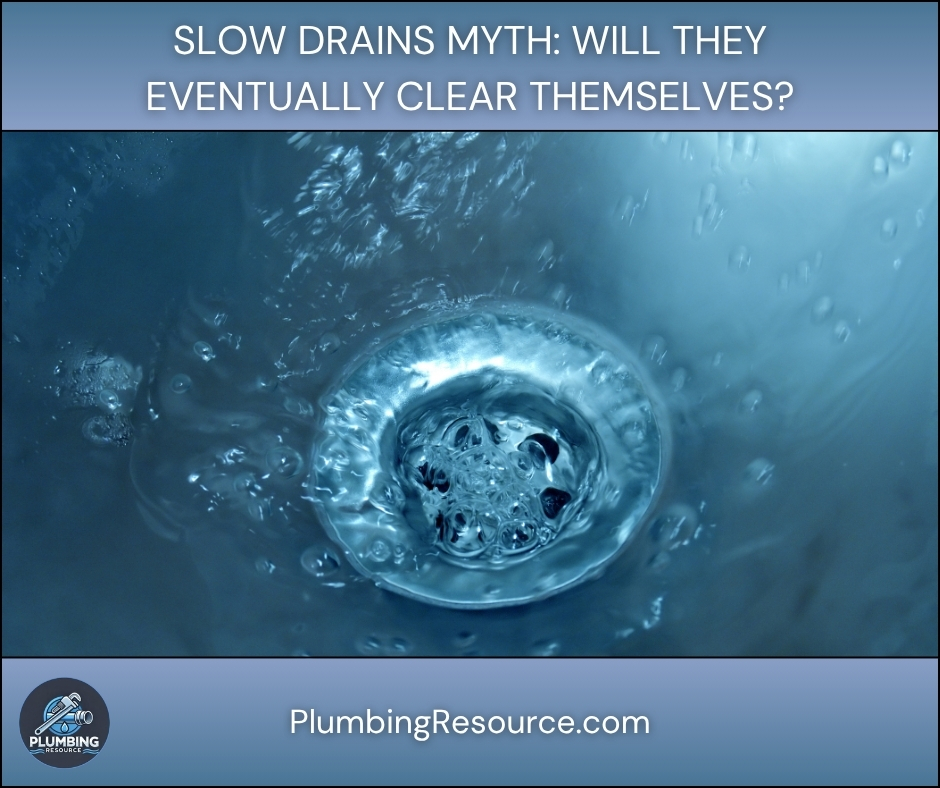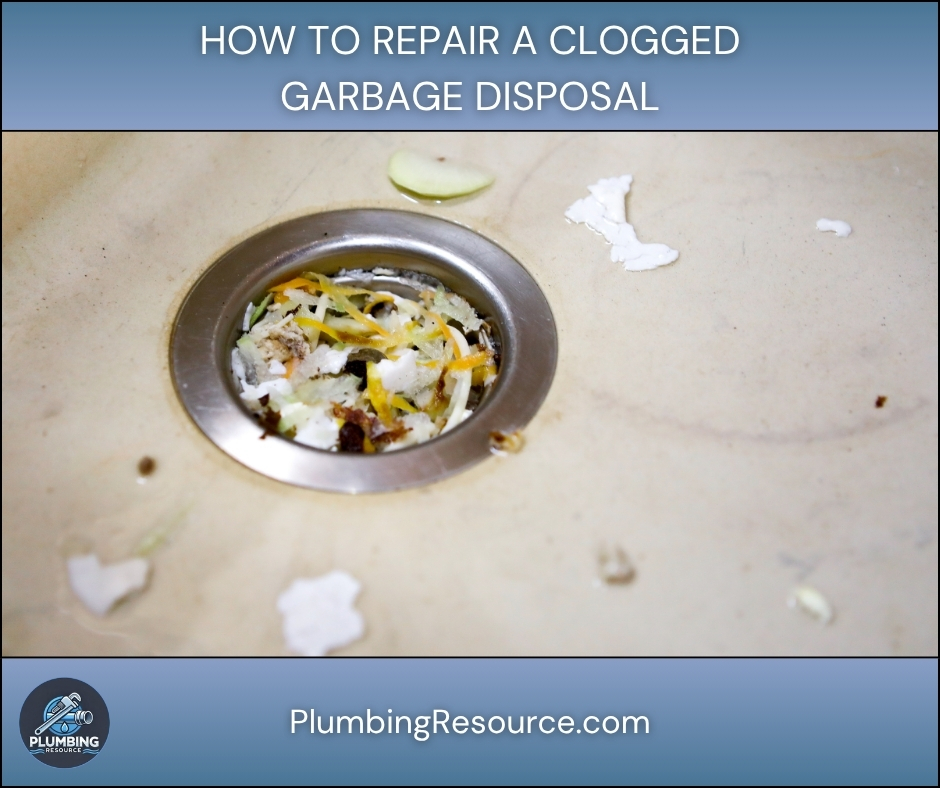
A homeowner notices water draining slowly from the kitchen sink every few days. At first, the issue seems minor. Therefore, they use a plunger and continue with normal daily use.
However, the problem keeps returning. Eventually, foul sewer odors begin coming from nearby fixtures. What the homeowner cannot see is that costly drainage problems caused by improper pipe slope have been developing inside the plumbing system for years.
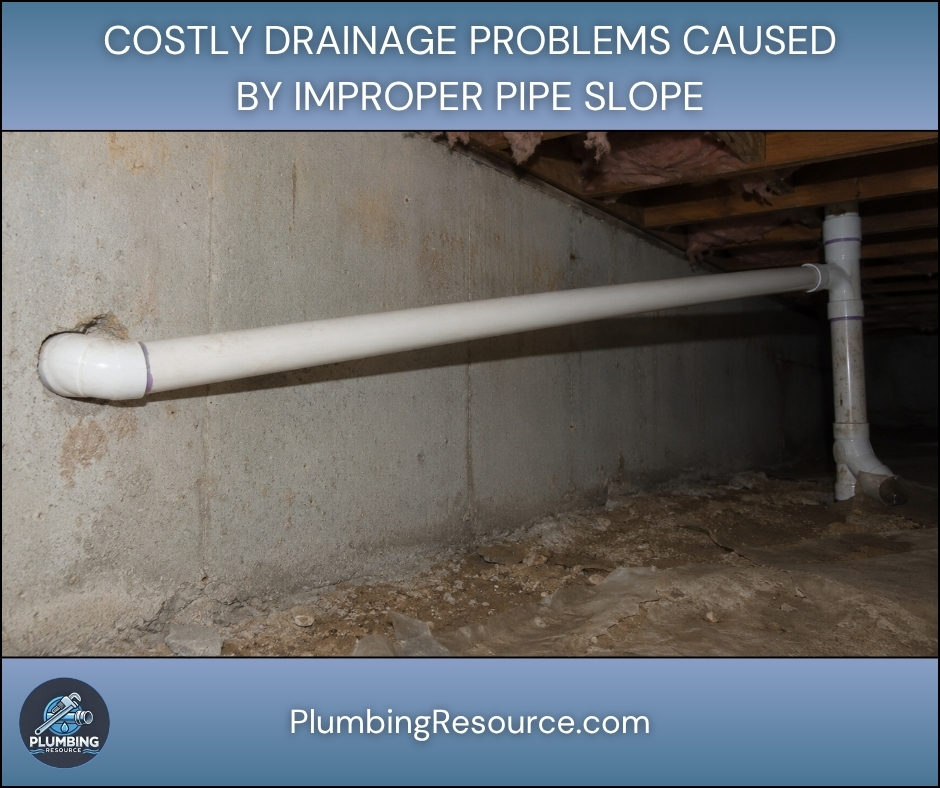
Even a small slope mistake can create serious wastewater flow problems. Because drain systems rely on gravity, incorrect pipe pitch can quietly damage pipes, fittings, and sewer lines over time.
❌ Why Homeowners Make This Mistake
Many homeowners assume drain pipes only need a slight downhill angle to work properly. Unfortunately, improper slope can create major plumbing problems.
Some people also believe steeper pipes improve drainage. However, excessive slope often creates just as many problems as insufficient slope.
DIY plumbing videos sometimes oversimplify drain installations. As a result, homeowners may install horizontal drain lines without understanding proper plumbing code requirements.
In addition, some older homes develop slope issues naturally as foundations settle. Therefore, drainage problems can appear years after the original installation.
🔍 What Happens Inside the Plumbing System
Costly drainage problems caused by improper pipe slope begin when wastewater cannot move correctly through the drain system.
If the slope is too flat, wastewater slows down inside the drain line. Consequently, grease, debris, soap residue, and solids begin sticking to the pipe walls.
Over time, buildup restricts water flow. Eventually, repeated blockages and backups become more common.
However, excessive slope creates a different issue. Water moves too quickly while solids remain behind inside the piping system. Therefore, waste accumulates inside the drain line instead of reaching the sewer system properly.
Improper pipe slope can also affect venting performance. Because airflow helps stabilize wastewater movement, poor drainage pitch may create gurgling fixtures and trap siphoning problems.
As buildup increases, pressure inside the plumbing system rises. Consequently, fittings, joints, and older drain pipes may begin leaking.
⚠️ Early Warning Signs Most People Miss
Drainage slope problems often develop gradually. Therefore, homeowners may ignore the warning signs for months or years.
Recurring Slow Drains
Fixtures that repeatedly drain slowly often indicate hidden pipe pitch problems.
Frequent Drain Clogs
Repeated blockages usually suggest a larger drainage issue rather than isolated debris buildup.
Gurgling Noises
Improper wastewater flow can create air pockets inside the drain system.
Sewer Gas Odors
Bad smells near sinks, tubs, or floor drains may signal drainage and venting issues.
Water Backups During Heavy Use
Running multiple fixtures simultaneously may cause wastewater backups if drainage flow is restricted.
🛠️ Short-Term Plumbing Problems
Costly drainage problems caused by improper pipe slope can create immediate plumbing disruptions.
First, fixtures may drain inconsistently throughout the home. Therefore, homeowners often waste money on temporary drain cleaning products.
Next, standing wastewater inside pipes increases buildup accumulation. Because debris cannot move efficiently, drain blockages become more frequent.
Improper slope may also strain pipe joints and fittings. Consequently, small leaks can begin forming behind walls or beneath floors.
In addition, sewer odors may become more noticeable during warmer weather or heavy plumbing use.
💸 Long-Term Damage This Can Cause
Improper drain pipe slope can eventually create severe and expensive plumbing damage.
Sewer Line Backups
Wastewater buildup can completely block the sewer line over time. As a result, sewage may back up into fixtures throughout the home.
Pipe Corrosion
Standing wastewater accelerates corrosion inside older cast iron and galvanized piping systems.
Hidden Water Damage
Small leaks from stressed joints may damage framing, drywall, insulation, and flooring materials.
Mold Growth
Persistent moisture creates ideal conditions for mold and mildew growth inside walls and crawl spaces.
Foundation Problems
Under-slab plumbing leaks caused by improper drainage may saturate surrounding soil. Consequently, foundation movement and slab damage can develop.
Major Plumbing Repairs
Correcting improper drain slope often requires opening walls, removing flooring, or excavating underground piping.
🚫 Common Myths and Bad Advice
“If Water Drains, The Pipe Slope Is Fine”
Water may appear to drain normally while solids quietly collect inside the pipe.
“More Slope Improves Drainage”
Excessive slope often causes water to outrun solid waste. Therefore, buildup still develops inside the drain line.
“Drain Cleaners Solve The Problem”
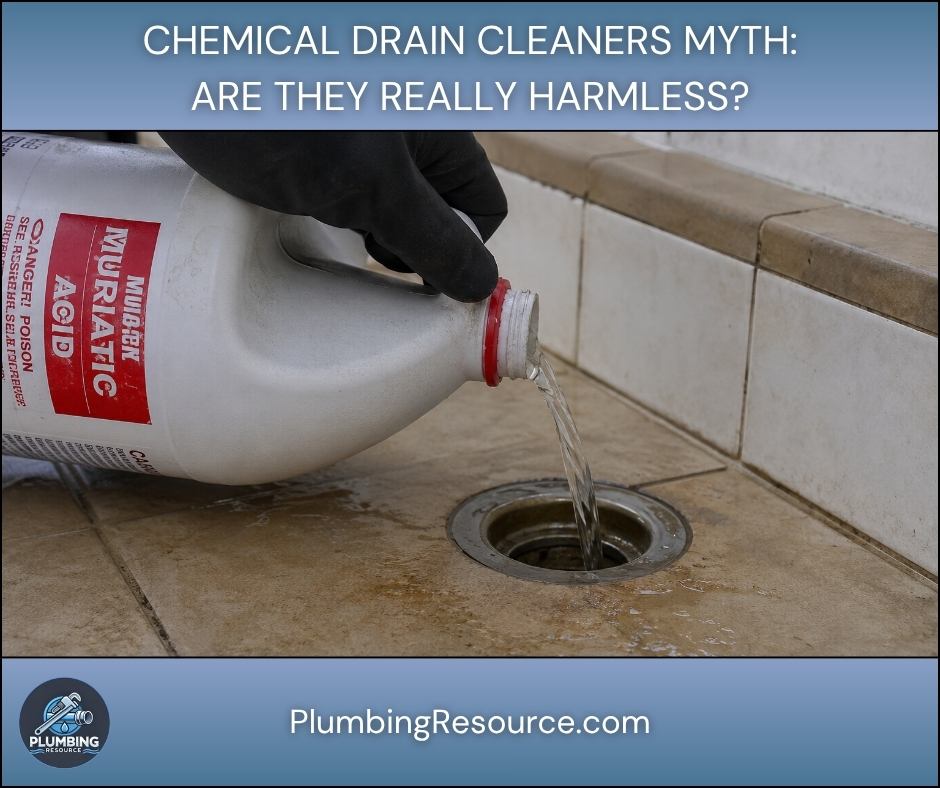
Chemical drain cleaners only provide temporary relief. In addition, repeated use may damage certain piping materials.
“All Drain Pipes Use The Same Pitch”
Different pipe diameters require different slope calculations based on plumbing code requirements.
✅ The Correct Way to Handle the Situation
Proper drain line installation requires accurate slope measurements and proper support spacing.
In most residential systems, horizontal drain lines commonly require approximately 1/4 inch of fall per foot. However, larger pipes may use slightly different pitch requirements.
Drain lines should also remain properly secured to prevent sagging over time. Because unsupported piping can shift, even a properly installed system may eventually develop drainage issues.
Professional plumbers use levels, laser tools, sewer cameras, and code calculations to verify proper drainage performance.
Routine inspections also help identify developing slope problems before major damage occurs.
👨🏻🔧 DIY vs When to Call a Licensed Plumber
Homeowners can safely monitor drainage performance and clean accessible fixture traps.
However, major drain line modifications usually require professional plumbing knowledge. Because improper installations can create serious sewer problems, larger drainage work should involve a licensed plumber.
You should call a professional if:
- Multiple fixtures drain slowly
- Sewer odors continue returning
- Recurring backups occur
- Gurgling sounds worsen
- Drain lines are hidden inside walls or slabs
- Foundation settlement is suspected
Licensed plumbers can inspect drain systems using sewer cameras and perform accurate slope evaluations.
🧰 Prevention Tips That Actually Work
Follow Proper Plumbing Code Requirements
Correct pipe pitch is critical for long-term drainage performance.
Properly Support Horizontal Drain Lines
Secure piping helps prevent sagging and future slope problems.
Avoid Oversized DIY Plumbing Repairs
Drainage systems require accurate calculations and proper venting design.
Schedule Sewer Camera Inspections
Camera inspections can identify hidden drainage issues early.
Address Slow Drains Quickly
Recurring slow drains often indicate developing slope or blockage problems.
Monitor Older Homes Carefully
Foundation movement can gradually alter pipe slope over time.
❓ FAQ
What causes costly drainage problems caused by improper pipe slope?
Improper pipe pitch prevents wastewater from flowing correctly. Consequently, buildup, clogs, and sewer backups may develop.
Can improper pipe slope cause sewer smells?
Yes. Poor wastewater flow and venting issues can allow sewer gas odors to enter the home.
Is too much drain pipe slope bad?
Yes. Excessive slope allows water to move too quickly while solids remain inside the drain line.
How do plumbers check pipe slope?
Licensed plumbers use levels, laser tools, and sewer cameras to inspect drainage performance and pipe pitch.
Can improper pipe slope damage a home foundation?
Yes. Plumbing leaks beneath slabs may saturate soil and contribute to foundation movement over time.
✅ Conclusion
Costly drainage problems caused by improper pipe slope often develop slowly. However, the long-term damage can become extremely expensive.
Because drain systems rely on proper gravity flow, even small pitch mistakes can create recurring clogs, sewer odors, wastewater backups, and hidden leaks.
Fortunately, proper installation practices and early inspections can prevent major plumbing damage. Therefore, homeowners should never ignore recurring drainage problems or unusual plumbing symptoms.
Protecting your plumbing system starts with ensuring wastewater can flow correctly from the beginning.
👋🏼 Before You Go…
If you found this guide helpful, save it for future reference and share it with someone dealing with recurring drain problems. Early awareness can help prevent expensive plumbing repairs later.