If your basement suddenly smells damp or water begins pooling near the sump pit, you may need to learn how to repair a sump pump before serious flooding occurs. A failing sump pump can allow groundwater to rise quickly, especially during storms. Therefore, understanding the warning signs and repair process can help you protect your home from expensive water damage.
Fortunately, many sump pump problems can be repaired without replacing the entire system. In addition, most common failures involve clogged components, float switch issues, discharge blockages, or power problems.
🔍 Understanding the Project
A sump pump removes groundwater from a sump basin and pumps it away from your home’s foundation. However, over time, sediment, debris, moisture, and electrical wear can cause the system to fail.
Common causes of sump pump problems include:
- Stuck float switches
- Clogged impellers
- Frozen discharge pipes
- Failed check valves
- Electrical problems
- Sediment buildup in the basin
- Aging motors
You may notice warning signs before complete failure occurs. For example, the pump may hum without moving water, run continuously, short cycle, vibrate excessively, or fail to turn on entirely.
Ignoring these symptoms can lead to:
- Basement flooding
- Mold growth
- Foundation damage
- Electrical hazards
- Property damage
- High repair costs
Therefore, repairing sump pump problems early is extremely important.
🧰 Tools & Materials
- Adjustable wrench
- Channel-lock pliers
- Screwdrivers
- Wet/dry vacuum
- Bucket
- Flashlight
- Work gloves
- Towels or rags
- PVC pipe cutter
- Replacement check valve
- Replacement float switch
- Utility knife
- Garden hose
- Zip ties
- Pipe clamps
- PVC primer and cement
- Silicone lubricant
🛠️ Step-By-Step Guide: How To Repair a Sump Pump
1️⃣ Disconnect the Power
First, unplug the sump pump from the outlet. If the unit is hardwired, turn off the breaker supplying power to the system.
Never work on a sump pump while electricity is connected because water and electricity create a dangerous combination.
Additionally, inspect the outlet for signs of moisture, corrosion, or a tripped GFCI.
2️⃣ Inspect the Sump Pit
Next, shine a flashlight into the sump basin and inspect the entire area carefully.
Look for:
- Excess sediment
- Loose gravel
- Mud buildup
- Debris blocking the pump
- Tangled cords
- Standing water above normal levels
If debris surrounds the pump intake, the system may struggle to remove water efficiently.
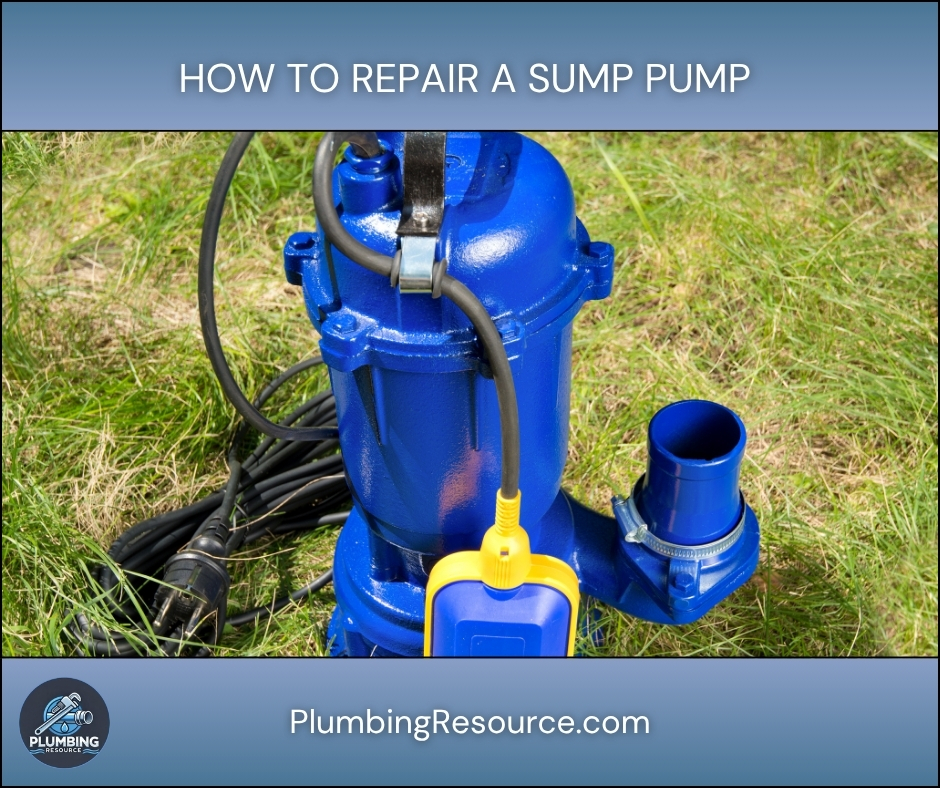
3️⃣ Test the Float Switch
The float switch controls when the pump turns on and off. Therefore, a damaged float often causes sump pump failure.
Lift the float manually while the pump is plugged in.
If the pump activates:
- The float likely works.
If nothing happens:
- The float switch may be defective.
- The outlet may lack power.
- The motor may have failed.
Also, check whether the float rubs against the basin wall or discharge pipe. Restricted movement often prevents proper operation.
4️⃣ Clean the Float Assembly
Sediment and slime can restrict float movement over time.
Remove dirt from:
- The float arm
- The pivot points
- The vertical float rod
- Nearby piping
Then, test the float again after cleaning.
Sometimes a thorough cleaning restores normal function immediately.
5️⃣ Remove the Pump From the Basin
If the issue continues, disconnect the discharge pipe and carefully lift the pump from the pit.
Place the unit on a towel or flat surface nearby.
Submersible pumps can be heavy because trapped water remains inside the housing. Therefore, lift carefully to avoid damaging the discharge piping.
6️⃣ Inspect the Pump Intake Screen
Most sump pumps contain an intake screen near the bottom.
Check for:
- Mud
- Hair
- Gravel
- String
- Sediment
- Small rocks
Blocked intake openings restrict water flow significantly.
Use a brush and water hose to remove buildup thoroughly.
7️⃣ Check the Impeller
The impeller moves water through the pump. However, debris can jam or damage it.
Remove the lower housing if accessible.
Then inspect the impeller for:
- Broken fins
- Dirt buildup
- String wrapped around the shaft
- Jammed debris
Spin the impeller carefully by hand.
If it does not move freely, remove all obstructions before reassembly.
8️⃣ Inspect the Check Valve
The check valve prevents discharged water from flowing back into the sump pit.
If the valve fails:
- The pump may cycle repeatedly.
- Water may drain backward.
- The motor may overwork.
Locate the arrow on the check valve body. The arrow should point away from the pump.
If installed backward, water cannot exit correctly.
Additionally, shake the valve gently. If internal parts rattle excessively or stick, replace the valve.
9️⃣ Inspect the Discharge Pipe
Next, inspect the discharge line for blockages or freezing.
Common discharge line problems include:
- Frozen water
- Mud blockages
- Animal nests
- Crushed piping
- Pipe separation
Run water through the pipe using a garden hose to verify proper drainage.
If water backs up, the line likely contains an obstruction.
1️⃣0️⃣ Replace Damaged Components
If you identify failed parts, replace them before reinstalling the pump.
Common replacement parts include:
- Float switches
- Check valves
- Pipe clamps
- Discharge fittings
- PVC pipe sections
Always use compatible replacement parts designed for your sump pump model.
1️⃣1️⃣ Clean the Sump Basin
Before reinstalling the pump, clean the sump basin thoroughly.
Use a wet/dry vacuum to remove:
- Sludge
- Dirt
- Sand
- Debris
- Standing water
A clean basin improves pump performance and extends equipment life.
1️⃣2️⃣ Reinstall the Pump
Reconnect the discharge pipe securely and lower the pump back into the basin.
Ensure:
- The pump sits level
- The float moves freely
- The power cord remains untangled
- The discharge pipe stays secure
Then reconnect power.
1️⃣3️⃣ Test the System
Fill the basin with water using a bucket or hose.
Watch the complete cycle carefully.
The pump should:
- Turn on automatically
- Remove water efficiently
- Shut off correctly
- Avoid excessive vibration
- Drain water fully
If the system cycles repeatedly or struggles to discharge water, continue troubleshooting.
⚠️ Common Mistakes
- Forgetting to disconnect power before repairs
- Installing the check valve backward
- Allowing the float switch to jam
- Ignoring sediment buildup
- Using undersized discharge piping
- Forgetting to test the pump afterward
- Allowing discharge pipes to freeze
- Pulling the pump by the electrical cord
💡 Pro Tips
- Test your sump pump every few months.
- Install a battery backup system for power outages.
- Keep the sump basin clean year-round.
- Add a sump pump alarm for early failure warnings.
- Insulate discharge piping in freezing climates.
- Replace worn check valves before they fail completely.
🔧 Troubleshooting
The Pump Hums But Does Not Pump Water
The impeller may be jammed. Additionally, the discharge line could be clogged or frozen.
The Pump Runs Constantly
The float switch may be stuck or the check valve may have failed.
The Pump Will Not Turn On
Check:
- GFCI outlets
- Breakers
- Float switches
- Power cords
- Motor condition
The Pump Vibrates Excessively
Loose piping, damaged impellers, or debris inside the pump often cause vibration.
Water Returns to the Pit
The check valve likely failed or was installed incorrectly.
👨🏻🔧 When to Call a Professional
You should contact a licensed plumber if:
- The motor repeatedly trips breakers
- The pump overheats constantly
- Electrical wiring appears damaged
- Basement flooding continues
- The discharge line is underground and inaccessible
- You suspect foundation drainage problems
- The pump requires internal electrical repairs
Professional diagnosis may prevent larger drainage system failures later.
❓ FAQ
How do I know if repairing a sump pump is worth it?
If the motor still works and the damage involves minor parts, repairing a sump pump is often worthwhile.
Can I repair a sump pump float switch myself?
Yes. In many cases, float switches can be cleaned or replaced without replacing the entire pump.
Why does my sump pump run but not remove water?
This usually indicates a clogged impeller, blocked discharge line, or failed check valve.
How often should I inspect my sump pump?
Inspect and test the system every 3–4 months. Additionally, inspect it before heavy rain seasons.
What causes sump pumps to fail most often?
Float switch problems, debris buildup, power issues, and frozen discharge pipes are very common causes.
✅ Conclusion
Learning how to repair a sump pump can help you prevent costly basement flooding and water damage. Fortunately, many sump pump issues involve simple repairs such as cleaning debris, replacing float switches, or fixing clogged discharge lines.
By inspecting the system regularly and repairing problems early, you can keep your sump pump working reliably for years.
👋🏼 Before You Go…
If this guide helped you, save it for future reference and share it with someone dealing with basement water problems. A working sump pump can make the difference between a dry basement and major water damage.