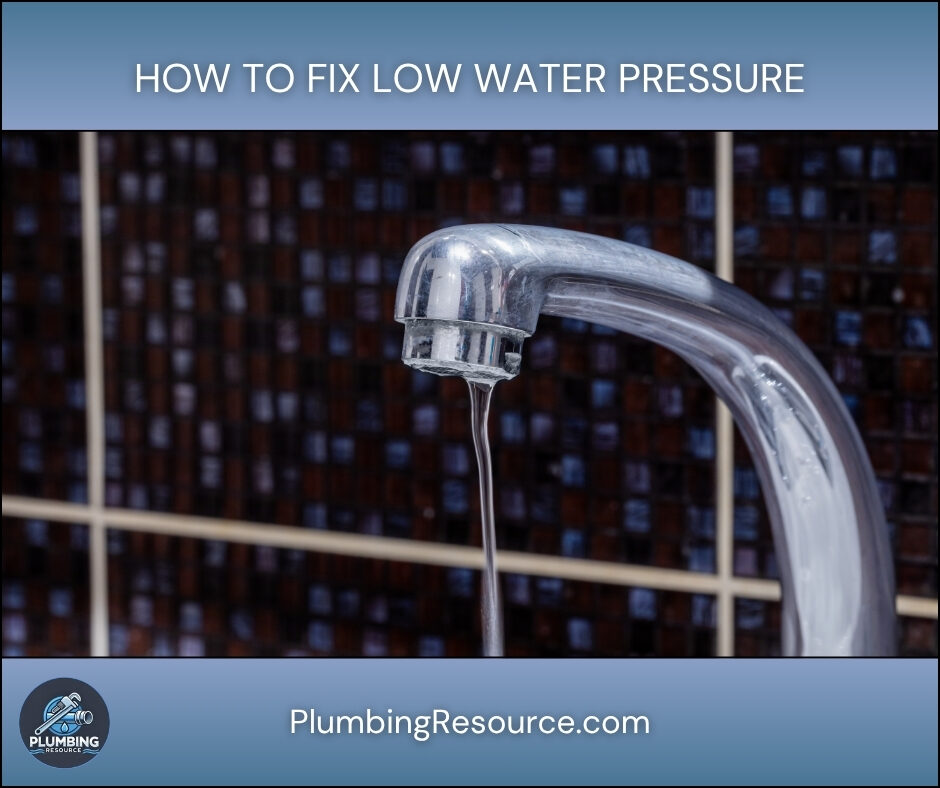
Low water pressure can make everyday tasks frustrating and time-consuming. Fortunately, learning how to fix low water pressure can help you restore strong and reliable water flow throughout your home. Whether the problem affects one fixture or the entire house, this guide walks you through the process step by step.
Many water pressure problems come from clogged fixtures, hidden leaks, failing pressure regulators, or aging pipes. Therefore, identifying the exact cause is the key to fixing the issue correctly and avoiding unnecessary repairs.
🔍 Understanding the Project
Low water pressure happens when water cannot move through the plumbing system properly. In some cases, buildup inside fixtures restricts flow. However, larger plumbing problems can also reduce pressure throughout the home.
Several issues commonly cause low water pressure:
- Mineral buildup inside faucet aerators and showerheads
- Partially closed shut-off valves
- Hidden plumbing leaks
- Corroded galvanized pipes
- Failing pressure reducing valves
- Municipal supply problems
You may notice warning signs before the pressure becomes severe. For example, showers may feel weak, sinks may fill slowly, or appliances may take longer to operate.
Ignoring low water pressure can create bigger problems over time. Small leaks may worsen, pipe corrosion can spread, and water appliances may experience additional strain. Therefore, diagnosing the issue early helps prevent costly plumbing repairs later.
🧰 Tools & Materials
Before you begin, gather these tools and materials:
- Adjustable wrench
- Channel-lock pliers
- Bucket
- White vinegar
- Old toothbrush
- Water pressure gauge
- Flashlight
- Teflon tape
- Replacement faucet aerator
- Replacement showerhead (if needed)
- Pressure regulator (if replacement becomes necessary)
- Garden hose
🛠️ How To Fix Low Water Pressure at One Fixture
If low pressure affects only one faucet or shower, the issue is usually local.
Clean the Faucet Aerator
First, remove the faucet aerator carefully. Most aerators unscrew by hand. However, stubborn aerators may require pliers.
Next, inspect the screen for debris, rust, or mineral buildup. Hard water deposits commonly block water flow over time.
Soak the aerator in vinegar for at least 30 minutes. Then scrub it gently with a toothbrush.
After cleaning, reinstall the aerator and test the water pressure again.
Clean the Showerhead
Showerheads often clog because of calcium buildup.
First, remove the showerhead carefully. Then place it in a bowl filled with vinegar.
Allow it to soak for one hour. Afterward, scrub the spray holes gently.
Reinstall the showerhead and test the flow. In many cases, this simple cleaning restores normal pressure immediately.
🛠️ How To Fix Low Water Pressure Throughout the House
If every fixture has low pressure, the problem usually involves the main plumbing system.
Check the Main Water Valve
First, locate the main shut-off valve.
If your home has a gate valve, turn it counterclockwise fully. If you have a ball valve, ensure the handle sits parallel to the pipe.
Partially closed valves severely reduce water pressure. Therefore, always verify valve position before investigating deeper issues.
Inspect the Water Meter Valve
Sometimes the city water meter valve becomes partially closed after repairs or maintenance.
Locate the meter box carefully. Then inspect the valve position.
If the valve appears partially closed, contact your water provider before adjusting it yourself.
🛠️ How To Fix Low Water Pressure Caused by a Pressure Regulator
Many homes contain a pressure reducing valve, also called a PRV.
A failing PRV can suddenly reduce pressure throughout the home.
Test Your Water Pressure
Attach a water pressure gauge to an outdoor hose bib.
Next, turn the water on fully and read the gauge.
Normal residential water pressure usually ranges between 40 and 60 PSI.
If the pressure falls below 40 PSI, the regulator may need adjustment or replacement.
Adjust the Pressure Regulator
Locate the adjustment screw on top of the regulator.
Then turn the screw clockwise slowly to increase pressure.
Check the pressure again after each adjustment.
Avoid excessive pressure because high PSI can damage plumbing fixtures and appliances.
🛠️ How To Fix Low Water Pressure From Hidden Leaks
Leaks can reduce pressure significantly because water escapes before reaching fixtures.
Check the Water Meter
First, turn off all water fixtures and appliances.
Then record the water meter reading carefully.
Wait 30 minutes without using water. Afterward, check the meter again.
If the reading changed, you likely have a hidden leak.
Inspect Visible Plumbing
Look under sinks, behind toilets, and around exposed pipes.
Watch for:
- Water stains
- Damp drywall
- Mold growth
- Active dripping
- Musty odors
Small leaks often create major pressure problems over time.
🛠️ How To Fix Low Water Pressure From Pipe Corrosion
Older galvanized pipes commonly corrode internally.
As corrosion builds, water flow decreases dramatically.
Signs of Corroded Pipes
Common warning signs include:
- Brown or rusty water
- Uneven pressure
- Frequent leaks
- Reduced flow at multiple fixtures
Unfortunately, severely corroded pipes usually require replacement.
Modern PEX piping and copper piping provide better long-term performance.
🛠️ How To Fix Low Water Pressure in Hot Water Lines
If only the hot water side has low pressure, the water heater may be the problem.
Flush the Water Heater
Sediment buildup commonly restricts hot water flow.
First, shut off power or gas to the heater.
Next, connect a garden hose to the drain valve.
Drain several gallons into a safe location.
If heavy sediment appears, fully flush the tank until clean water flows.
Then restore power and test the pressure again.
⚠️ Common Mistakes
Avoid these common plumbing mistakes:
- Ignoring partially closed valves
- Over-tightening plumbing fittings
- Setting water pressure too high
- Forgetting to clean aerators
- Replacing fixtures before diagnosing the problem
- Ignoring signs of hidden leaks
💡 Pro Tips
- Install a pressure gauge permanently for monitoring.
- Flush your water heater yearly.
- Clean showerheads every few months.
- Replace old galvanized pipes proactively.
- Test pressure at multiple fixtures for accurate diagnosis.
🔧 Troubleshooting Low Water Pressure
Pressure Is Low Only in One Sink
The aerator or shut-off valve is likely clogged.
Pressure Drops Suddenly
Check for leaks or PRV failure immediately.
Hot Water Has Lower Pressure
Flush the water heater and inspect the shut-off valve.
Water Pressure Changes Throughout the Day
Municipal water demand may affect pressure temporarily.
Pressure Is Low After Plumbing Repairs
Air trapped in the lines may restrict flow temporarily.
👨🏻🔧 When To Call a Professional
Although many homeowners can handle simple repairs, some situations require a licensed plumber.
Call a professional if:
- You suspect underground leaks
- Pipes need replacement
- Pressure regulators fail repeatedly
- Water pressure remains low after troubleshooting
- You notice water damage inside walls
Professional diagnostics can prevent costly plumbing damage later.
❓ FAQ About How To Fix Low Water Pressure
Why is my water pressure suddenly low?
Sudden low pressure often comes from leaks, failing pressure regulators, or municipal water supply issues.
How do I fix low water pressure in my shower?
First, clean the showerhead thoroughly. Then inspect valves and test overall house pressure.
Can clogged pipes cause low water pressure?
Yes. Mineral buildup, corrosion, and debris commonly restrict water flow inside pipes.
What is normal residential water pressure?
Most homes operate best between 40 and 60 PSI.
Can a water heater cause low water pressure?
Yes. Sediment buildup inside the heater can reduce hot water pressure significantly.
Should I replace galvanized pipes?
Yes. Older galvanized pipes often corrode internally and restrict flow heavily.
✅ Conclusion
Learning how to fix low water pressure starts with identifying the exact cause. Fortunately, many pressure problems come from simple issues like clogged aerators, partially closed valves, or sediment buildup. However, larger problems such as leaks or corroded pipes may require professional repairs. By following these steps carefully, you can restore stronger water flow and improve your plumbing system’s overall performance.
👋🏼 Before You Go…
If this guide helped you fix your sink, then save it for future reference. Also, share it with someone dealing with a clogged drain.
And if you want more expert plumbing tips, check out more guides on your site to stay ahead of costly problems.