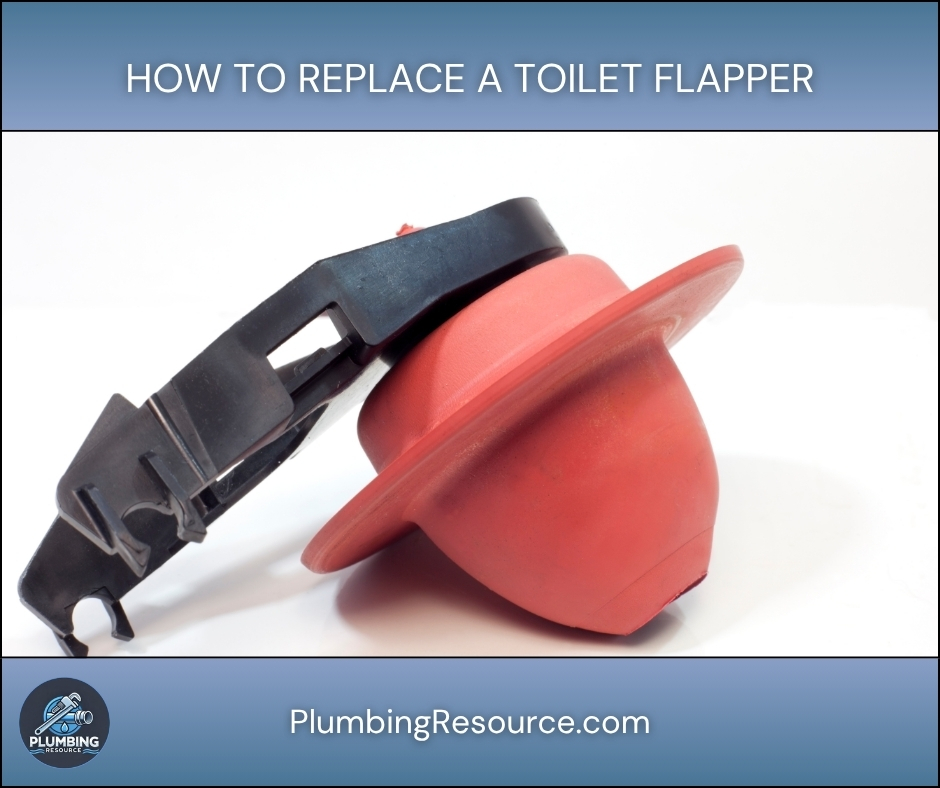
A constantly running toilet can waste hundreds of gallons of water every month. Fortunately, learning How To Replace a Toilet Flapper is one of the easiest plumbing repairs you can do yourself. In many cases, a worn flapper causes phantom flushing, constant tank refilling, or weak flushing performance. Therefore, replacing it quickly can save water, reduce your utility bill, and restore proper toilet operation.
Many homeowners ignore this issue at first. However, a leaking toilet flapper usually gets worse over time. With the right tools and clear instructions, you can complete this repair in less than an hour.
🔍 Understanding the Project
Toilet flappers wear out because they constantly sit in water. Over time, minerals, chlorine, and age cause the rubber to crack, warp, or harden. As a result, the flapper no longer seals correctly against the flush valve opening.
Several warning signs usually appear before complete failure. For example, your toilet may randomly refill, continuously run, or make hissing sounds after flushing. In addition, you may notice weak flushing or higher water bills.
Replacing the flapper is important because even a slow leak wastes a surprising amount of water. Furthermore, constant water movement inside the tank can wear down other toilet components faster.
Compatibility also matters before starting this repair. Most toilets use either a 2-inch or 3-inch flapper. Therefore, checking the toilet model and flapper size beforehand helps prevent installation problems.
A new flapper offers several benefits:
- Better flushing performance
- Lower water usage
- Quieter operation
- Improved tank sealing
- Reduced wear on the fill valve
🧰 Tools & Materials
- Replacement toilet flapper
- Adjustable pliers
- Small towel or sponge
- Bucket
- Rubber gloves
- Measuring tape
- Food coloring (optional leak test)
- Flashlight
🛠️ Step-By-Step Guide: How To Replace a Toilet Flapper
1️⃣ Turn Off the Water Supply
First, locate the toilet shutoff valve near the wall behind the toilet. Then, turn the valve clockwise until the water stops.
Next, flush the toilet while holding the handle down. This step drains most of the water from the tank. Afterward, use a sponge or towel to remove any remaining water.
If the shutoff valve does not fully stop the water, you may need to shut off the home’s main water supply temporarily.
2️⃣ Remove the Tank Lid Carefully
Lift the tank lid slowly using both hands. Toilet tank lids are heavy and fragile. Therefore, place the lid on a towel or soft surface nearby.
Avoid placing the lid on hard flooring because porcelain can crack easily.
3️⃣ Inspect the Existing Flapper
Before removing anything, study how the current flapper connects inside the tank. Most flappers connect to:
- The overflow tube
- The flush handle chain
Take note of the chain length and attachment position. This detail helps during reinstallation.
You should also inspect the old flapper closely. In many cases, you will notice:
- Cracks
- Warping
- Slimy buildup
- Hard rubber
- Broken attachment ears
These signs confirm replacement is necessary.
4️⃣ Disconnect the Flapper Chain
Next, unhook the chain from the flush handle arm. Most chains connect using a small hook or clip.
Do not pull aggressively because older chains can snap easily. Instead, gently lift the hook free.
If the chain is rusty or damaged, replace it along with the flapper.
5️⃣ Remove the Old Toilet Flapper
Most standard flappers attach to small pegs on the overflow tube. Carefully pull one side off first. Then, remove the opposite side.
Some toilets use a ring-style flapper instead. In that case, slide the ring upward and off the overflow tube.
After removal, inspect the flush valve seat at the bottom of the tank.
6️⃣ Clean the Flush Valve Seat
This step is extremely important. Even a new flapper can leak if the sealing surface is dirty.
Use a towel or soft cloth to clean:
- Mineral deposits
- Sludge
- Debris
- Hard water buildup
Avoid using sharp tools because scratches can prevent proper sealing.
If heavy buildup exists, use white vinegar and let it soak briefly before wiping clean.
7️⃣ Choose the Correct Replacement Flapper
Before installation, compare the new flapper to the old one.
Check:
- Size
- Shape
- Mounting style
- Chain length
Most residential toilets use either:
- 2-inch flappers
- 3-inch flappers
A mismatched flapper can cause poor flushing or constant leaking. Therefore, accurate sizing matters greatly.
8️⃣ Install the New Flapper
Attach the new flapper to the overflow tube pegs. Then, center it directly over the flush valve opening.
The flapper should move freely without twisting or binding.
If you are using a ring-style flapper, slide the ring over the overflow tube carefully until properly seated.
9️⃣ Connect and Adjust the Chain
Reconnect the chain to the flush handle arm.
Proper chain adjustment is critical:
- Too tight = flapper may not seal
- Too loose = weak flushing
Ideally, the chain should have about 1/2 inch of slack.
Flush the toilet several times while watching the flapper operation. Then, adjust the chain if needed.
🔟 Turn the Water Back On
Slowly reopen the shutoff valve by turning it counterclockwise.
Allow the tank to refill completely. Then, inspect the flapper closely for leaks or improper seating.
Listen carefully after the fill cycle ends. A properly installed flapper should create complete silence once the tank fills.
1️⃣1️⃣ Perform a Leak Test
For a final check, place several drops of food coloring into the tank.
Wait about 15 minutes without flushing. Then, check the bowl water.
If colored water appears in the bowl, the flapper still leaks slightly. In that case:
- Recheck chain tension
- Verify flapper alignment
- Inspect the flush valve seat again
⚠️ Common Mistakes
- Installing the wrong flapper size
- Leaving the chain too tight
- Leaving excessive chain slack
- Failing to clean the flush valve seat
- Using harsh tools that scratch the sealing surface
- Ignoring overflow tube damage
- Buying cheap low-quality flappers
💡 Pro Tips
- Bring the old flapper to the store for easier matching.
- Use chlorine-resistant flappers for longer life.
- Replace the chain if it shows corrosion.
- Test the toilet multiple times before reinstalling the tank lid.
- Consider replacing the fill valve if the toilet still runs afterward.
🔧 Troubleshooting
The Toilet Still Runs
The chain may be too tight. Therefore, loosen the chain slightly and test again.
Weak Flush After Replacement
The flapper may close too quickly. Adjust the chain to allow the flapper to stay open longer.
Flapper Does Not Seal Correctly
Mineral buildup may still exist on the flush valve seat. Clean the area again thoroughly.
Toilet Randomly Refills
The flapper may be slightly off-center. Reposition it and repeat the leak test.
Water Level Is Too High
Adjust the fill valve float so the water stops below the overflow tube.
👨🏻🔧 When to Call a Professional
You should contact a licensed plumber if:
- The shutoff valve leaks or fails completely
- The flush valve is cracked
- The overflow tube is damaged
- The toilet continues leaking after multiple adjustments
- The tank has visible cracks
- You notice water around the toilet base
In some situations, a full flush valve replacement may be necessary instead of only replacing the flapper.
❓ FAQ
How To Replace a Toilet Flapper Without Turning Off Water?
Technically, you can work quickly while holding the float up. However, shutting off the water is strongly recommended for easier and cleaner repairs.
How Often Should You Replace a Toilet Flapper?
Most flappers last between 3 and 5 years. However, hard water and chlorine can shorten lifespan significantly.
Why Does My Toilet Keep Running After I Replace the Flapper?
Usually, improper chain adjustment or poor flapper alignment causes this issue. In addition, a damaged flush valve seat can prevent sealing.
Can Any Toilet Flapper Fit Any Toilet?
No. Toilets use different flapper sizes and styles. Therefore, matching the correct replacement part is important.
How Do I Know If I Need a 2-Inch or 3-Inch Flapper?
Measure the flush valve opening at the bottom of the tank. Most older toilets use 2-inch flappers, while many newer models use 3-inch versions.
✅ Conclusion
Learning How To Replace a Toilet Flapper can help you stop a running toilet quickly and prevent unnecessary water waste. Fortunately, this repair requires only basic tools and a little patience. By following each step carefully, you can restore proper flushing performance and avoid larger plumbing issues later.
👋🏼 Before You Go…
If this guide helped you fix your sink, then save it for future reference. Also, share it with someone dealing with a clogged drain.
And if you want more expert plumbing tips, check out more guides on your site to stay ahead of costly problems.