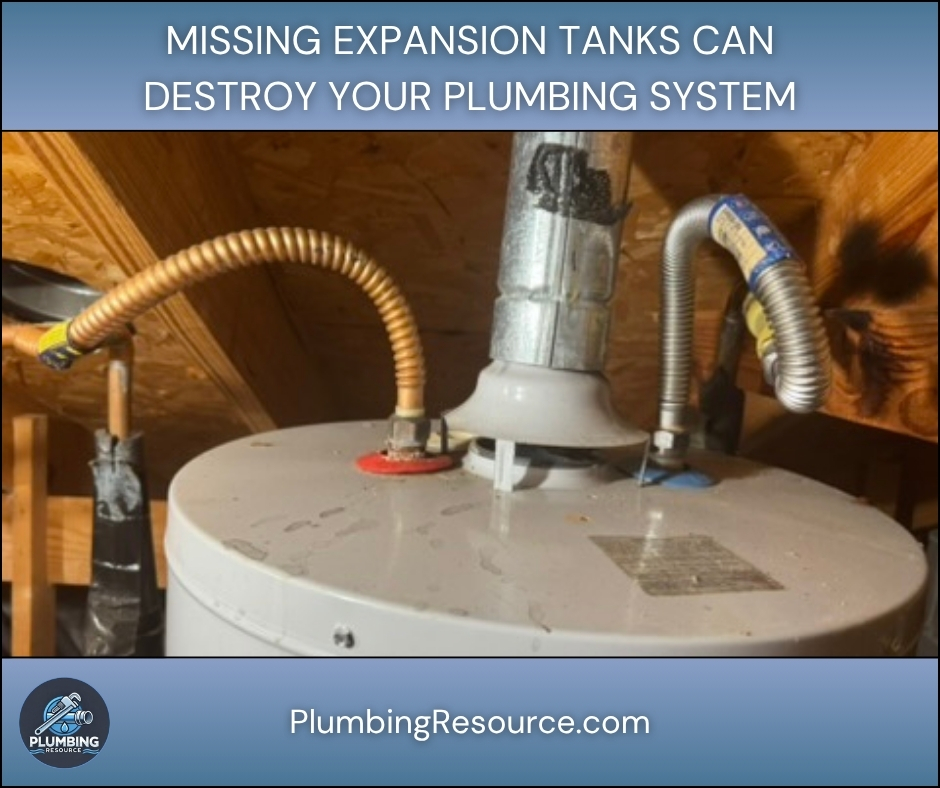
A homeowner replaces an old water heater after noticing rusty water and inconsistent hot water temperatures. The new installation seems perfect at first. However, several months later, faucet leaks begin appearing throughout the house.
Soon afterward, toilet fill valves fail, washing machine hoses begin dripping, and the temperature and pressure relief valve starts releasing water unexpectedly.
Most homeowners never realize missing expansion tanks can destroy your plumbing system slowly over time. Instead, they continue replacing fixtures while dangerous pressure buildup quietly damages the plumbing system behind the walls.
❌ Why Homeowners Make This Mistake
Many homeowners do not understand how thermal expansion affects a closed plumbing system. Because the plumbing system usually appears normal, expansion control often gets overlooked during water heater installations.
In some cases, homeowners assume the expansion tank is optional. Others believe the temperature and pressure relief valve handles all excess pressure automatically.
Unfortunately, many quick water heater replacements skip proper expansion control entirely. As a result, dangerous pressure spikes begin stressing the plumbing system every time the water heater cycles on.
In addition, misinformation online often causes homeowners to underestimate the importance of expansion tanks.
🔍 What Happens Inside the Plumbing System
When water heats inside a water heater tank, it naturally expands. However, if the plumbing system contains a pressure-reducing valve, check valve, or backflow preventer, the expanded water cannot flow backward into the city supply.
Therefore, pressure begins building inside the plumbing system during every heating cycle.
Over time, missing expansion tanks can destroy your plumbing system by repeatedly stressing:
- Pipe walls
- Faucet cartridges
- Appliance supply lines
- Toilet fill valves
- Washing machine hoses
- Water heater tanks
- Fixture connections
- Shut-off valves
- Flexible water connectors
Eventually, constant pressure fluctuations weaken plumbing components throughout the home.
Additionally, excessive pressure can create water hammer effects that damage fixtures and piping connections even faster.
⚠️ Early Warning Signs Most People Miss
Many thermal expansion problems begin with small symptoms. Therefore, homeowners often ignore the early warning signs until major plumbing damage develops.
Dripping Faucets
Small drips after the water heater cycles may indicate pressure buildup inside the plumbing system.
Relief Valve Discharge
Water coming from the temperature and pressure relief valve often signals excessive pressure.
Noisy Pipes
Banging or ticking pipes can develop from repeated pressure fluctuations.
Running Toilets
High pressure frequently damages toilet fill valves and internal seals.
Appliance Hose Leaks
Dishwasher and washing machine connections may begin leaking unexpectedly.
Shortened Fixture Lifespan
Pressure spikes slowly wear out plumbing fixtures faster than normal.
🛠️ Short-Term Plumbing Problems
At first, thermal expansion problems may only cause minor plumbing issues. However, those smaller problems usually become more expensive later.
Short-term plumbing problems often include:
- Leaking faucets
- Water heater relief valve discharge
- Fixture noise
- Toilet fill valve failures
- Appliance connection leaks
- Water pressure fluctuations
- Loose plumbing fittings
Because these problems develop gradually, many homeowners fail to connect them to missing expansion control.
💸 Long-Term Damage This Can Cause
Missing expansion tanks can destroy your plumbing system slowly and silently. Furthermore, the resulting repairs can become extremely expensive.
Burst Supply Lines
Excessive pressure can rupture flexible water supply hoses unexpectedly.
Water Heater Damage
Repeated pressure stress weakens the water heater tank and internal components.
Pipe Joint Failures
Copper joints, threaded fittings, and pipe connections can begin leaking behind walls.
Structural Water Damage
Hidden plumbing leaks may damage drywall, flooring, framing, insulation, and cabinetry.
Mold Growth
Undetected moisture inside walls can create dangerous mold conditions.
Appliance Failure
Dishwashers, refrigerators, and washing machines may suffer pressure-related damage.
Sewer and Drainage Problems
Excessive pressure fluctuations can also place stress on drain lines and plumbing fixtures throughout the home.
In severe situations, uncontrolled pressure can lead to catastrophic flooding and expensive emergency plumbing repairs.
🚫 Common Myths and Bad Advice
“Expansion Tanks Are Optional”
Many closed plumbing systems require expansion tanks to control pressure safely.
“The Relief Valve Protects Everything”
The relief valve is a backup safety device, not a daily pressure management solution.
“Higher Pressure Is Better”
Excessive pressure may feel stronger initially. However, it damages plumbing components over time.
“Small Leaks Are Normal”
Minor leaks often signal hidden pressure problems developing inside the plumbing system.
“Older Homes Don’t Need Expansion Tanks”
Even older plumbing systems can develop thermal expansion issues after water heater upgrades or plumbing modifications.
✅ The Correct Way to Handle the Situation
The best solution involves controlling thermal expansion properly with a correctly sized expansion tank.
A licensed plumber typically installs the expansion tank near the water heater on the cold water supply line. The tank absorbs excess pressure safely during heating cycles.
Proper expansion control also includes:
- Testing household water pressure
- Verifying pressure-reducing valve operation
- Checking expansion tank air pressure
- Inspecting relief valves
- Confirming proper plumbing installation methods
- Following local plumbing code requirements
Additionally, homeowners should monitor the plumbing system regularly for leaks, pressure changes, or unusual fixture behavior.
👨🏻🔧 DIY vs When to Call a Licensed Plumber
Some plumbing inspections are safe for homeowners. However, pressure-related plumbing problems often require professional testing equipment and experience.
DIY Tasks Homeowners Can Perform
- Checking visible plumbing connections
- Monitoring relief valve discharge
- Testing water pressure with a gauge
- Inspecting appliance hoses
- Watching for faucet drips
When to Call a Licensed Plumber
Professional plumbing service is necessary when:
- Water pressure exceeds safe limits
- Expansion tanks fail
- Relief valves discharge repeatedly
- Plumbing leaks develop
- Pipe noise becomes severe
- Water heater installations require code compliance
Licensed plumbers can properly diagnose thermal expansion problems before major plumbing damage occurs.
🧰 Prevention Tips That Actually Work
Preventing thermal expansion damage requires consistent plumbing maintenance and pressure control.
Follow these prevention tips:
- Install a properly sized expansion tank
- Test water pressure annually
- Replace aging supply hoses proactively
- Inspect relief valves regularly
- Check plumbing fixtures for leaks
- Service pressure-reducing valves when needed
- Schedule periodic plumbing inspections
- Monitor the plumbing system after water heater replacement
In addition, homeowners should never ignore small plumbing warning signs because pressure damage usually worsens gradually.
❓ FAQ
Why are expansion tanks important?
Expansion tanks absorb excess pressure caused by heated water expanding inside a closed plumbing system.
Can missing expansion tanks damage pipes?
Yes. Excessive pressure can weaken pipe joints, fixtures, supply lines, and plumbing connections over time.
What are signs of thermal expansion problems?
Common signs include dripping faucets, relief valve discharge, pipe noise, and leaking appliance hoses.
Do all homes need expansion tanks?
Not every home requires one. However, many closed plumbing systems need expansion control to prevent pressure buildup.
Can high water pressure damage appliances?
Yes. Excessive plumbing pressure can damage dishwashers, washing machines, refrigerators, and water heaters.
✅ Conclusion
Missing expansion tanks can destroy your plumbing system gradually while creating hidden pressure damage throughout the home.
Unfortunately, many homeowners only notice the problem after expensive leaks or fixture failures develop. Fortunately, proper thermal expansion control helps protect pipes, fixtures, appliances, and water heaters from unnecessary stress.
Understanding how pressure buildup affects the plumbing system can help homeowners avoid major repairs and long-term water damage. Therefore, addressing thermal expansion early is one of the smartest ways to protect your home’s plumbing system.
👋🏼 Before You Go…
If this article helped you understand the dangers of thermal expansion, consider saving it for future reference. Also, share it with friends or family members who may not realize how much damage missing expansion tanks can cause over time.