You walk into your bathroom and notice a strong sewer smell near the sink or toilet. At first, the odor seems minor. However, after a few days, the smell spreads into other rooms and becomes impossible to ignore.
Many homeowners ignore sewer smells inside your house because they assume the odor will disappear on its own. Unfortunately, these smells often signal hidden plumbing system problems that can eventually lead to expensive repairs.
In some homes, the issue comes from a dry P-trap or blocked vent pipe. In other cases, the problem may involve damaged drain lines, sewer line leaks, or hidden wastewater buildup behind walls or under floors.
❌ Why Homeowners Make This Mistake
Many people believe sewer odors are harmless temporary problems. Therefore, they spray air freshener or pour chemicals into drains without finding the real source.
Additionally, homeowners often assume serious sewer line problems always cause backups first. However, sewer smells frequently appear long before major plumbing failures develop.
Online misinformation also creates confusion. For example, some websites recommend chemical drain cleaners or bleach as permanent solutions. Unfortunately, those products rarely solve the actual plumbing issue.
Because the plumbing system remains mostly hidden, many people underestimate how dangerous sewer gas problems can become over time.
🔍 What Happens Inside the Plumbing System
Your plumbing system uses drain lines, vent pipes, and P-traps to safely carry wastewater out of the home while preventing sewer gases from entering living areas.
Normally, every plumbing fixture contains water inside its trap. That water barrier blocks harmful sewer gases from traveling back through the drain system.
However, several plumbing issues can break that protection, including:
- Cracked drain pipes
- Failed toilet wax rings
- Blocked vent stacks
- Loose pipe connections
- Dry floor drains
- Sewer line damage
- Improper venting
When venting problems develop, air pressure changes inside the plumbing system. As a result, water may siphon from traps and allow sewer gases into the home.
Additionally, hidden drain line leaks may release methane and hydrogen sulfide gases behind walls, under cabinets, or beneath flooring materials.
⚠️ Early Warning Signs Most People Miss
Sewer smells inside your house usually develop gradually. Therefore, many homeowners overlook the early warning signs.
Common symptoms include:
- Rotten egg smells near drains
- Gurgling toilets
- Bubbling sink drains
- Slow wastewater flow
- Sewer odors after rain
- Smells near washing machines
- Changing toilet water levels
- Odors that worsen during hot weather
In some cases, the smell appears strongest when exhaust fans or HVAC systems operate because airflow changes pressure inside the drain system.
🛠️ Short-Term Plumbing Problems
At first, sewer odor problems may seem like simple annoyances. However, early plumbing issues can quickly affect fixture performance and drain flow.
Sewer Smells Inside Your House Often Signal Vent Problems
Blocked vent pipes restrict airflow inside the plumbing system. Therefore, drains may empty more slowly while sewer gases begin entering the home.
Hidden Sewer Gas Problems Can Affect Multiple Fixtures
When venting problems worsen, multiple sinks, tubs, or toilets may begin showing symptoms at the same time.
Drain Line Odors Can Spread Throughout the Home
Once sewer gases enter the living space, odors may travel through hallways, cabinets, attics, or HVAC ductwork.
Additionally, moisture buildup from leaking wastewater pipes may begin damaging nearby materials.
💸 Long-Term Damage This Can Cause
Ignoring sewer smells inside your house can eventually create major plumbing and structural repair costs.
Sewer Gas Problems Can Damage Pipe Walls
Constant moisture and corrosive gases may weaken drain pipes over time. Eventually, leaks may form inside walls or beneath the slab foundation.
Hidden Sewer Odors May Signal Wastewater Leaks
Damaged drain lines can release wastewater into insulation, framing, and flooring materials. As a result, mold growth and structural damage may develop.
Sewer Line Problems Can Become Extremely Expensive
Severe sewer system problems may eventually require:
- Sewer camera inspections
- Hydro jetting
- Drain line replacement
- Slab access repairs
- Foundation work
- Excavation
- Mold remediation
Additionally, prolonged sewer gas exposure may negatively affect indoor air quality inside the home.
🚫 Common Myths and Bad Advice
Many homeowners unknowingly make sewer odor problems worse by following bad advice online.
Air Fresheners Solve Sewer Smells
Air fresheners only cover the odor temporarily. However, the plumbing system problem continues worsening behind the scenes.
Bleach Permanently Removes Sewer Odors
Bleach may briefly reduce bacteria inside drains. However, it cannot repair venting failures, cracked drain lines, or sewer leaks.
Sewer Smells Always Mean a Main Line Backup
Some sewer odors come from isolated plumbing fixture problems, such as dry traps or failed toilet seals.
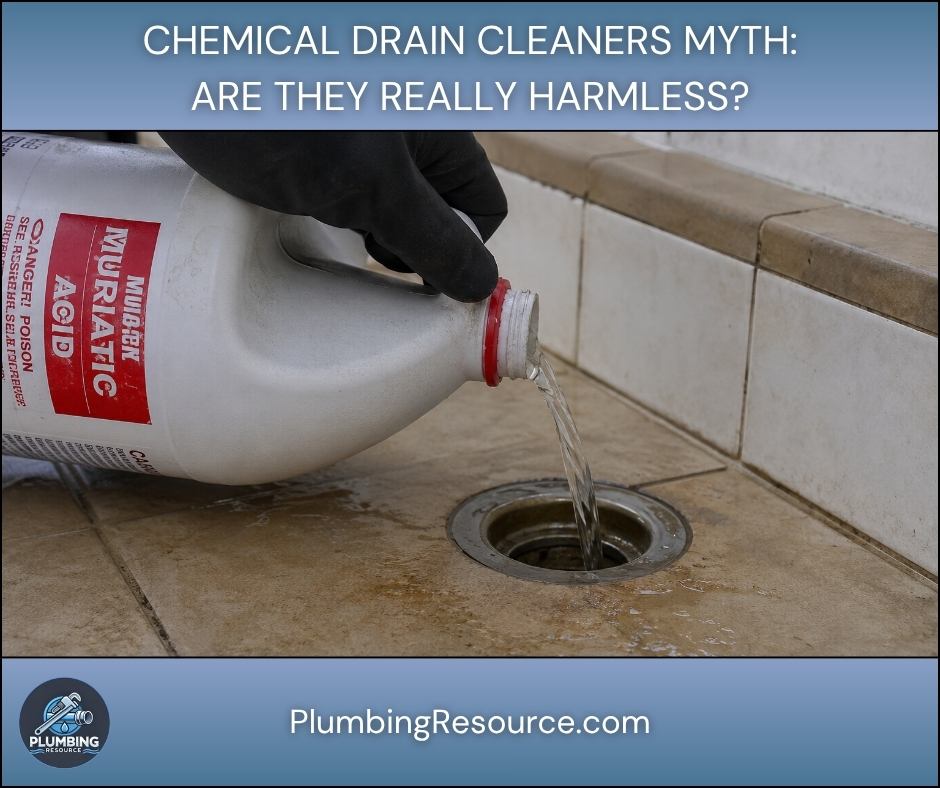
Chemical Drain Cleaners Fix Sewer Gas Problems
Chemical cleaners often damage pipe walls and fittings over time. Additionally, they rarely solve venting or sewer line issues.
✅ The Correct Way to Handle the Situation
The proper solution depends on the exact source of the sewer smell.
Start by checking rarely used plumbing fixtures. If a drain trap has dried out, run water into the fixture for several minutes.
Next, inspect for:
- Loose toilets
- Slow drains
- Water stains
- Corroded drain pipes
- Visible leaks
- Gurgling sounds
- Sewer odors near vents
Additionally, homeowners should schedule professional inspections if the smell continues returning.
Licensed plumbers may use:
- Sewer cameras
- Smoke testing
- Leak detection equipment
- Pressure testing
- Vent inspections
These methods help locate hidden plumbing system failures without unnecessary damage to the home.
👨🏻🔧 DIY vs When to Call a Licensed Plumber
Some sewer odor issues are simple enough for homeowners to address safely. However, larger sewer line or venting problems require professional equipment.
DIY Situations
Homeowners can usually:
- Refill dry P-traps
- Clean accessible drains
- Inspect visible plumbing fixtures
- Remove minor debris from vent openings
- Tighten loose sink drain connections
When to Call a Licensed Plumber
Professional help is necessary when:
- Sewer smells continue returning
- Multiple fixtures gurgle
- Toilets bubble regularly
- Wastewater backs up
- Odors appear behind walls
- Water damage becomes visible
- Sewer line damage is suspected
Additionally, plumbing venting problems involving code compliance should always be handled by a licensed plumber.
🧰 Prevention Tips That Actually Work
Preventing sewer odor problems requires regular plumbing awareness and maintenance.
Prevention Methods
- Run water in unused drains monthly
- Keep vent stacks clear of debris
- Avoid chemical drain cleaners
- Repair slow drains early
- Schedule sewer inspections when necessary
- Replace damaged wax rings promptly
- Inspect exposed drain piping regularly
- Address sewer smells immediately
Additionally, homeowners should never ignore recurring odors because early plumbing repairs usually cost far less.
❓ FAQ
What causes sewer smells inside your house?
Common causes include dry P-traps, blocked vent pipes, cracked drain lines, sewer leaks, and failed toilet wax rings.
Are sewer smells dangerous?
Yes. Sewer gases may contain methane and hydrogen sulfide, which can negatively affect indoor air quality.
Can a blocked vent pipe cause sewer smells?
Yes. Blocked venting disrupts airflow inside the plumbing system and may allow sewer gases to enter through drains.
Why does my bathroom smell like sewer gas after showering?
The issue may involve venting problems, drain buildup, or a dry trap. Additionally, airflow changes can push sewer gases through weak seals.
Can sewer smells come from a sink drain?
Yes. Sink drains commonly develop odors from dry traps, buildup, loose connections, or hidden drain line leaks.
✅ Conclusion
Sewer smells inside your house should never be ignored. Although the odor may seem minor initially, it often signals hidden plumbing problems that can become expensive over time.
Fortunately, early action can help prevent sewer line damage, mold growth, wastewater leaks, and major plumbing repairs. Therefore, homeowners should investigate sewer odors quickly before the problem spreads throughout the plumbing system.
A properly functioning plumbing system should safely remove wastewater while keeping harmful sewer gases outside the home.
👋🏼 Before You Go…
If you found this article helpful, save it for later and share it with someone dealing with sewer smells or plumbing vent problems. Early awareness can help prevent major plumbing damage and expensive repairs later.