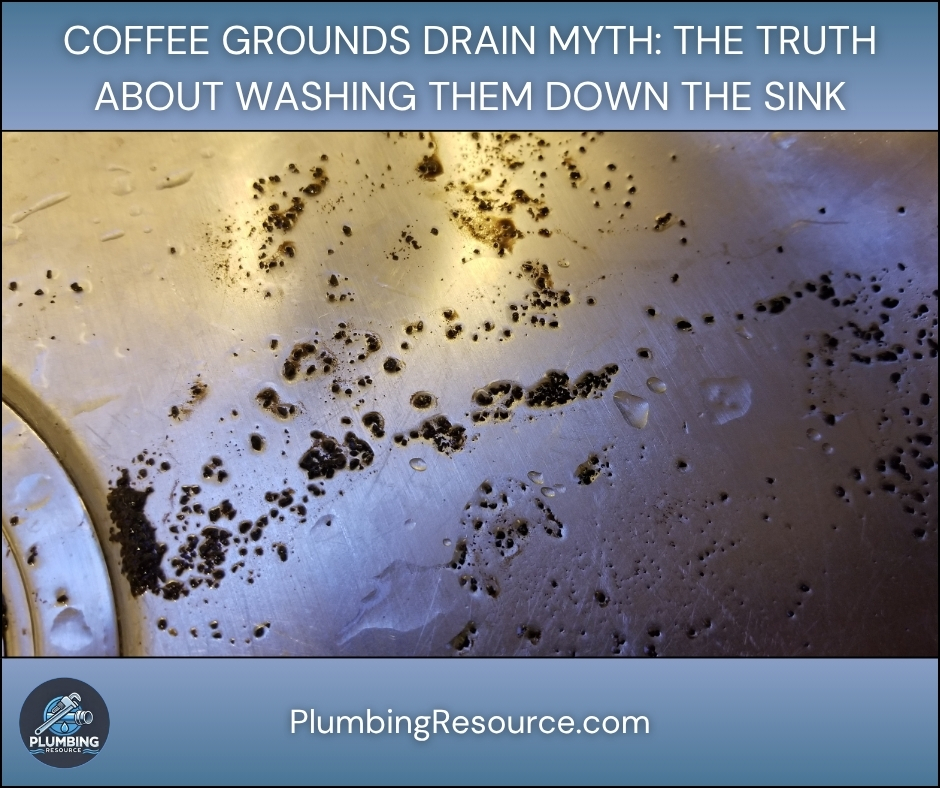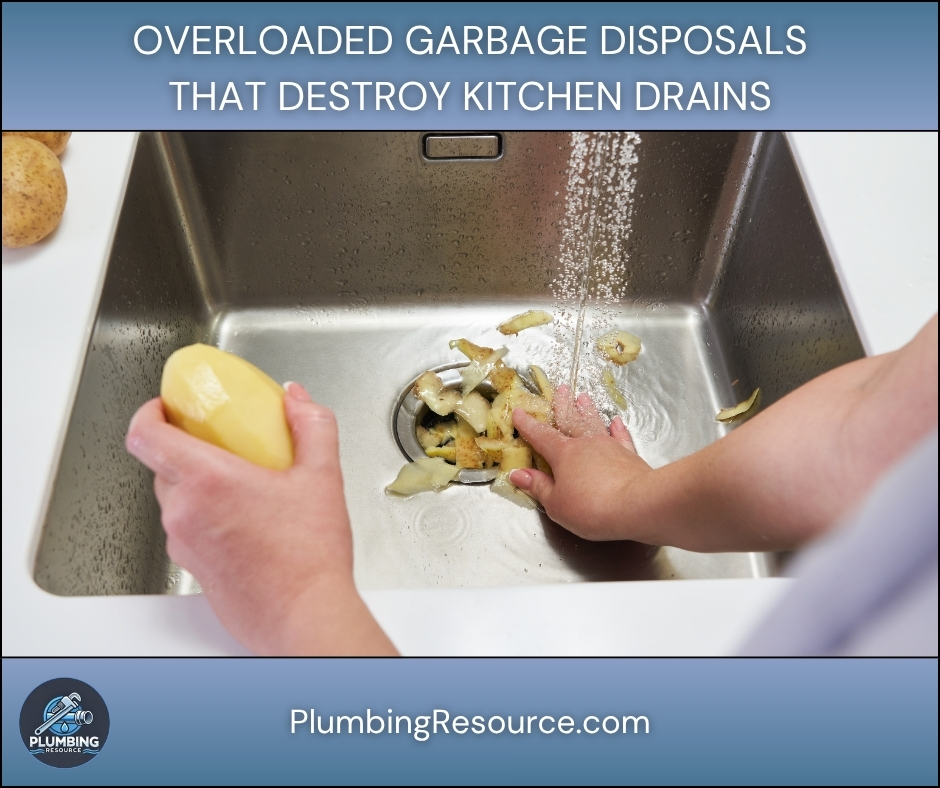
You finish dinner and scrape everything into the garbage disposal. Potato peels, celery, pasta, rice, bones, and coffee grounds disappear down the drain. At first, everything seems fine. However, a few days later, the sink drains slowly and foul odors begin coming from the kitchen drain.
Many homeowners unknowingly create overloaded garbage disposals that destroy kitchen drains. Although the disposal seems powerful, it was never designed to handle every type of food waste. Over time, repeated overloading can damage the disposal, clog the drain line, and strain the entire plumbing system.
❌ Why Homeowners Make This Mistake
Many people assume garbage disposals can grind anything because the motor sounds strong. In addition, social media videos often show people stuffing large amounts of food into disposals without immediate problems.
Some homeowners also believe running extra water prevents issues. While water helps move wastewater through the drain line, it cannot stop certain foods from creating buildup inside pipe walls.
Another common mistake involves trying to avoid trash odors by forcing all food scraps into the disposal. Unfortunately, this habit often creates larger plumbing problems later.
🔍 What Happens Inside the Plumbing System
Overloaded garbage disposals that destroy kitchen drains usually begin with gradual buildup inside the drain piping. Fibrous foods wrap around the disposal blades and grinding components. Meanwhile, starchy foods expand when mixed with water.
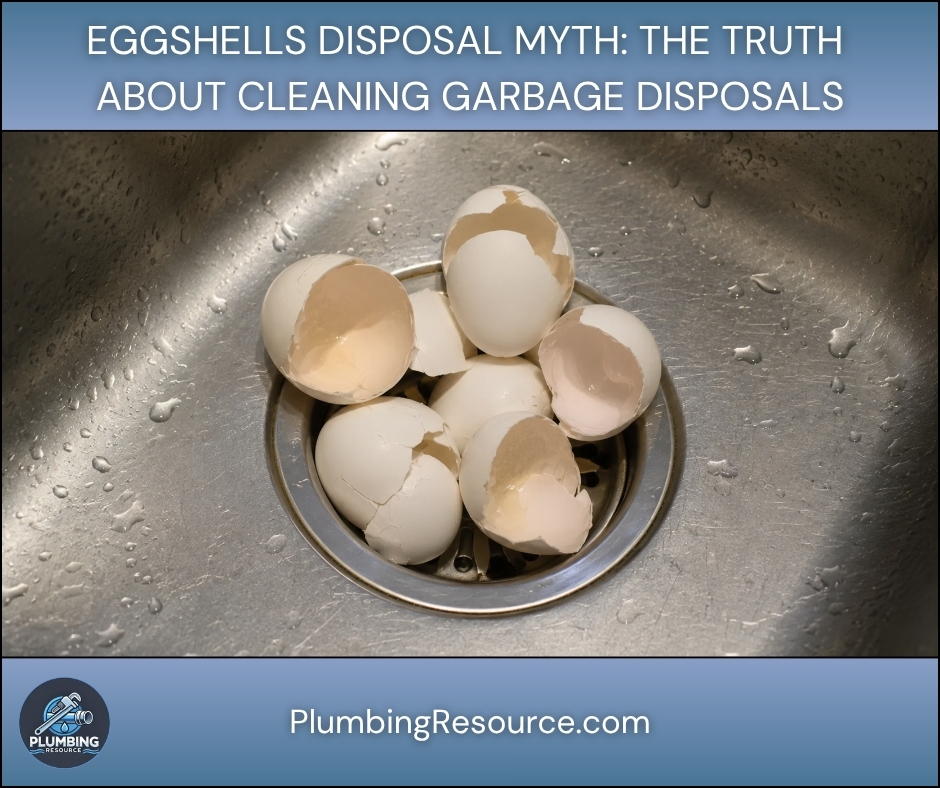
Hard foods can also damage the disposal mechanism. For example, bones, fruit pits, and shells may crack internal parts or dull the grinding ring.
As food waste moves through the kitchen drain, grease and debris begin sticking to the pipe walls. Eventually, this restricts wastewater flow and creates blockages deeper inside the plumbing system.
In severe cases, the blockage may extend into the branch drain or even the sewer line. Consequently, wastewater may back up into sinks or other fixtures.
⚠️ Early Warning Signs Most People Miss
Many disposal-related plumbing issues start with subtle symptoms. However, homeowners often ignore these warning signs until major damage occurs.
Slow Drainage After Using the Disposal
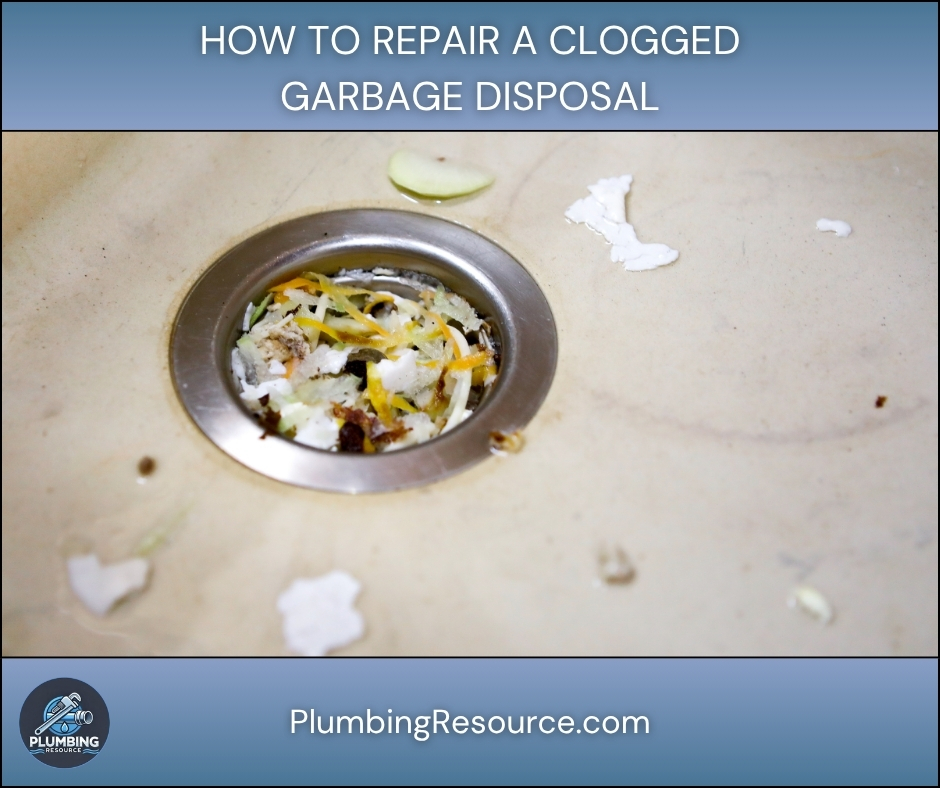
If the kitchen sink drains slowly after running the disposal, buildup may already exist inside the drain line.
Frequent Reset Button Trips
A disposal that repeatedly overheats or trips the reset button may be overloaded or partially jammed.
Gurgling Sounds in the Drain
Air trapped by developing blockages can create bubbling or gurgling noises in nearby fixtures.
Persistent Kitchen Odors
Rotting food trapped inside the disposal or drain piping often creates strong sewer-like smells.
Water Backing Into the Second Sink Basin
Double kitchen sinks commonly show early blockage signs when wastewater backs up into the opposite basin.
🛠️ Short-Term Plumbing Problems
Overloaded garbage disposals that destroy kitchen drains can quickly create inconvenient plumbing problems throughout the home.
Kitchen Sink Clogs
Food debris can accumulate rapidly inside the trap and horizontal drain piping.
Jammed Disposal Blades
Fibrous foods often wrap tightly around moving components and prevent proper operation.
Motor Overheating
Overworked motors generate excessive heat. Consequently, internal electrical components may fail prematurely.
Drain Line Restrictions
Partial blockages slow wastewater movement and increase pressure inside the piping system.
Dishwasher Drainage Problems
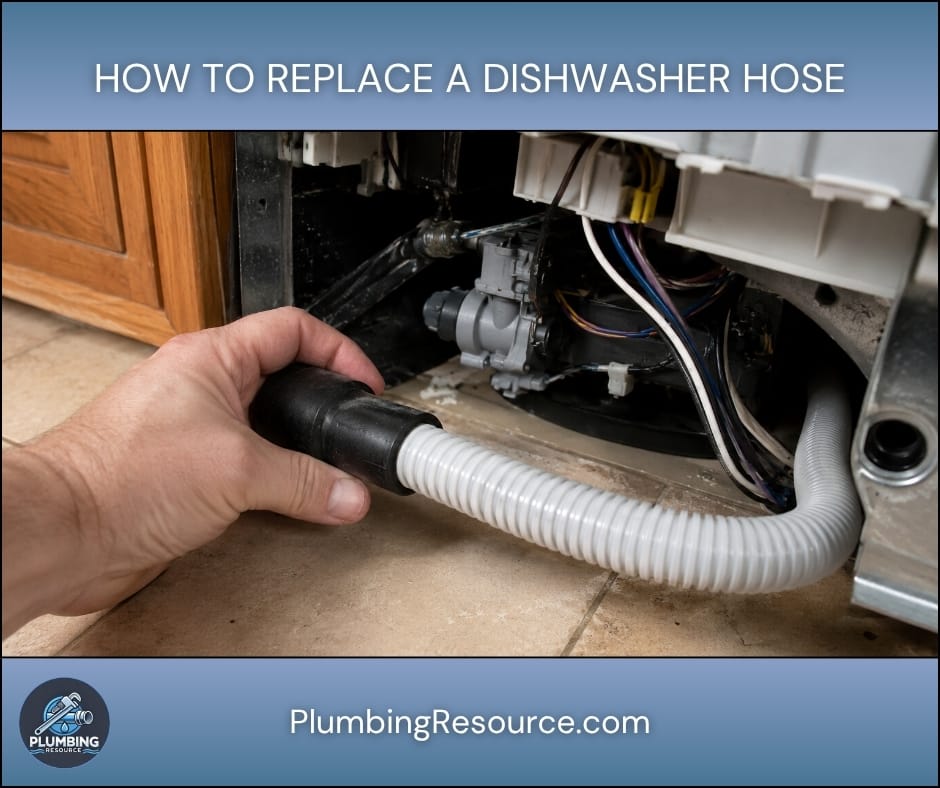
Many dishwashers drain through the disposal connection. Therefore, disposal blockages may also affect dishwasher performance.
💸 Long-Term Damage This Can Cause
Ignoring overloaded garbage disposals that destroy kitchen drains can eventually lead to expensive plumbing repairs.
Damaged Drain Pipes
Food buildup combined with grease can harden inside drain piping. Over time, this creates severe obstructions that require professional cleaning.
Sewer Line Backups
Repeated disposal misuse may contribute to larger sewer line blockages, especially in older homes with cast iron pipes.
Water Damage Under Cabinets
Slow leaks caused by backed-up drains can damage cabinet flooring, drywall, and surrounding materials.
Premature Disposal Replacement
Grinding hard foods regularly shortens the lifespan of the disposal motor and internal grinding components.
Bacterial Growth and Odors
Organic waste trapped inside pipes creates unpleasant odors and promotes bacterial buildup inside the plumbing system.
🚫 Common Myths and Bad Advice
“The Disposal Can Handle Anything”
Garbage disposals are designed for small food particles, not bulk food waste or hard materials.
“Hot Water Melts Everything Away”
Hot water may temporarily move grease. However, grease eventually cools and sticks inside drain piping.
“Ice Sharpens Disposal Blades”
Most disposals use grinding rings instead of sharp blades. Ice may help clean buildup slightly, but it does not sharpen components.
“Fibrous Foods Are Fine in Small Amounts”
Even small amounts of celery, corn husks, onion skins, or asparagus can wrap around moving parts over time.
“Running More Water Prevents Clogs”
Extra water helps move debris. Nevertheless, it cannot fully prevent buildup from problematic foods.
✅ The Correct Way to Handle the Situation
The best approach involves limiting what enters the garbage disposal.
Use the Disposal for Small Food Particles
Dispose of large scraps in the trash or compost bin instead of the sink drain.
Avoid Fibrous and Hard Foods
Keep these items out of the disposal:
- Celery
- Onion skins
- Corn husks
- Pasta
- Rice
- Coffee grounds
- Bones
- Eggshells
- Fruit pits
- Grease
Run Cold Water During Use
Cold water helps solidify grease and improves waste movement through the drain line.
Feed Food Gradually
Adding small amounts slowly reduces stress on the disposal motor and plumbing system.
Clean the Disposal Regularly
Periodic cleaning helps reduce odors and buildup inside the disposal chamber.
👨🏻🔧 DIY vs When to Call a Licensed Plumber
Homeowners can safely perform some disposal maintenance tasks. However, certain problems require professional plumbing equipment.
Safe DIY Tasks
- Resetting the disposal
- Removing visible debris
- Cleaning the disposal
- Using the manufacturer’s hex key for minor jams
- Flushing the drain with water
When to Call a Licensed Plumber
Call a licensed plumber if you notice:
- Recurring drain backups
- Leaks under the sink
- Sewer odors
- Multiple clogged fixtures
- Disposal motor failure
- Standing wastewater
- Deep drain line blockages
Professional plumbers may use drain cameras, augers, or hydro jetting equipment to inspect and clear the piping safely.
🧰 Prevention Tips That Actually Work
Preventing overloaded garbage disposals that destroy kitchen drains requires consistent habits.
Scrape Plates Into the Trash First
Removing most food waste before rinsing dishes greatly reduces disposal strain.
Compost Food Scraps When Possible
Composting reduces the amount of organic waste entering the plumbing system.
Flush the Drain Regularly
Running water after disposal use helps move debris through the drain piping.
Avoid Pouring Grease Into the Sink
Grease hardens inside pipes and combines with food particles to create major blockages.
Schedule Preventive Drain Cleaning
Periodic professional drain maintenance helps remove buildup before severe clogs develop.
❓ FAQ
Can fibrous foods damage a garbage disposal?
Yes. Fibrous foods can wrap around internal components and jam the disposal motor.
What foods should never go into a garbage disposal?
Avoid grease, bones, coffee grounds, pasta, rice, fruit pits, eggshells, and fibrous vegetables.
Why does my kitchen sink back up when I use the disposal?
This usually indicates a partial blockage inside the kitchen drain or branch drain piping.
Can overloaded garbage disposals damage sewer lines?
Yes. Repeated buildup from food waste and grease can eventually contribute to sewer line blockages.
How long should a garbage disposal last?
A properly maintained garbage disposal often lasts 8 to 15 years, depending on usage habits.
✅ Conclusion
Overloaded garbage disposals that destroy kitchen drains often begin with simple daily habits. Unfortunately, small disposal mistakes can slowly create serious drain line restrictions, wastewater backups, and expensive plumbing repairs.
Understanding what your disposal can safely handle helps protect your plumbing system for the long term. In addition, proper maintenance and smart food disposal habits greatly reduce the risk of clogged drains and sewer problems.
Paying attention to early warning signs can also prevent costly emergencies later.
👋🏼 Before You Go…
If you found this helpful, save this page for future reference and share it with someone who relies heavily on their garbage disposal. Small plumbing habits today can prevent major repairs tomorrow.