A damaged or leaking sink can waste water and damage cabinets over time. Therefore, learning How To Repair a Bathroom Sink can help you prevent expensive plumbing repairs and restore normal sink operation. Many bathroom sink problems involve leaks, clogged drains, loose connections, or faulty faucet components. Fortunately, most repairs are manageable with basic tools and careful inspection.
🔍 Understanding the Project
Bathroom sinks experience daily wear from water, soap, toothpaste, and debris. As a result, several parts can eventually fail or loosen. Common issues include leaking drain assemblies, dripping faucets, clogged pop-up drains, cracked supply lines, and loose sink components.
In many cases, corrosion or worn seals cause the problem. However, improper installation or excessive force can also damage plumbing parts. Signs of trouble include water under the sink, slow drainage, unusual noises, foul odors, or water stains around the cabinet.
Ignoring these problems can lead to mold growth, cabinet damage, and higher water bills. In addition, small leaks can eventually weaken flooring or surrounding materials. Because of this, timely repairs are important for protecting your plumbing system and home.
🧰 Tools & Materials
- Adjustable wrench
- Channel-lock pliers
- Bucket
- Towels or rags
- Flashlight
- Plumber’s putty
- Silicone sealant
- Replacement faucet parts
- Replacement P-trap washers
- Drain assembly kit
- Screwdrivers
- Utility knife
- Plumber’s tape
- Drain brush
- Replacement supply lines
- Gloves
🛠️ Step-By-Step Guide: How To Repair a Bathroom Sink
1️⃣ Shut Off the Water Supply
Locate the shut-off valves beneath the sink. Then, turn both valves clockwise until they fully close. Next, turn on the faucet to relieve water pressure and confirm the water is off.
Place a bucket beneath the sink because residual water may drain from the pipes during repairs.
2️⃣ Inspect the Sink for Visible Damage
Check the faucet, drain assembly, supply lines, and P-trap carefully. Look for corrosion, moisture, loose fittings, cracks, or mineral buildup.
In addition, inspect the cabinet floor for water stains or swelling. These signs often reveal long-term leaks.
3️⃣ Tighten Loose Connections
Use an adjustable wrench or pliers to tighten loose supply line nuts and drain fittings. However, avoid overtightening because excessive force can crack fittings or strip threads.
After tightening connections, inspect the area again for leaks.
4️⃣ Remove the P-Trap
Place the bucket beneath the drain trap. Then, loosen the slip nuts on both sides of the P-trap and remove it carefully.
Inspect the trap for buildup, blockages, or damaged washers. If the washers appear worn, replace them before reinstalling the trap.
5️⃣ Clear Drain Clogs
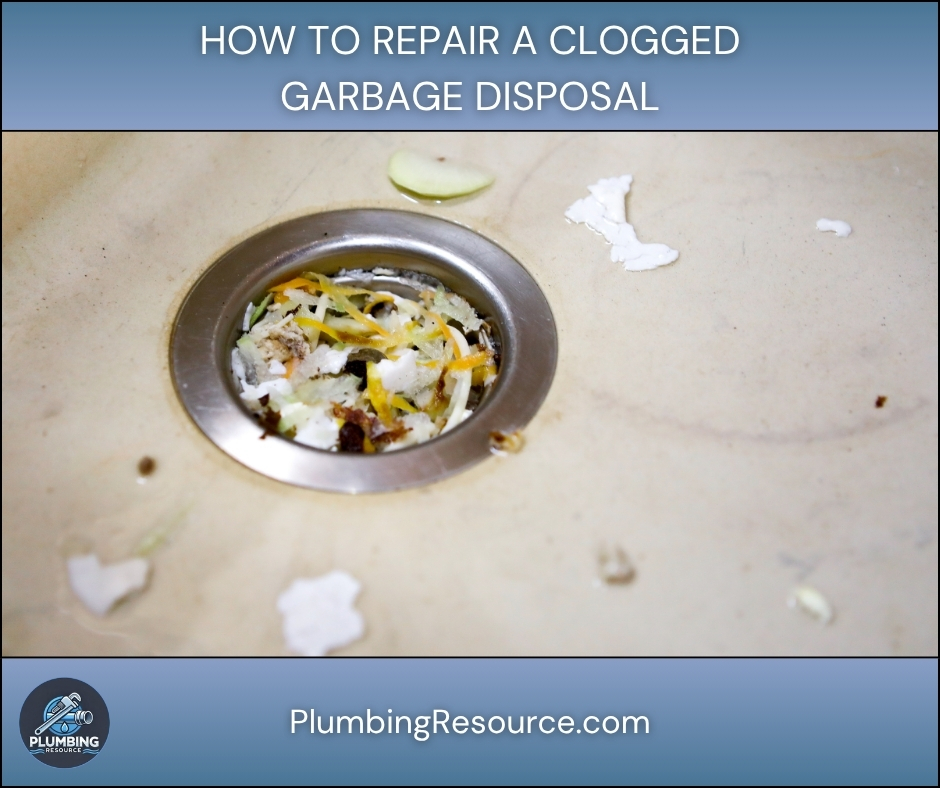
Use a drain brush or pipe cleaner to remove hair, soap scum, and debris from the drain pipe. In addition, clean the pop-up stopper thoroughly because buildup commonly forms underneath it.
Flush the drain with warm water after cleaning.
6️⃣ Repair or Replace the Drain Assembly
If water leaks around the sink drain, remove the drain assembly from the sink. Then, scrape away old plumber’s putty or silicone.
Apply fresh plumber’s putty beneath the flange before reinstalling the drain assembly. Next, tighten the retaining nut securely underneath the sink.
7️⃣ Repair a Dripping Faucet
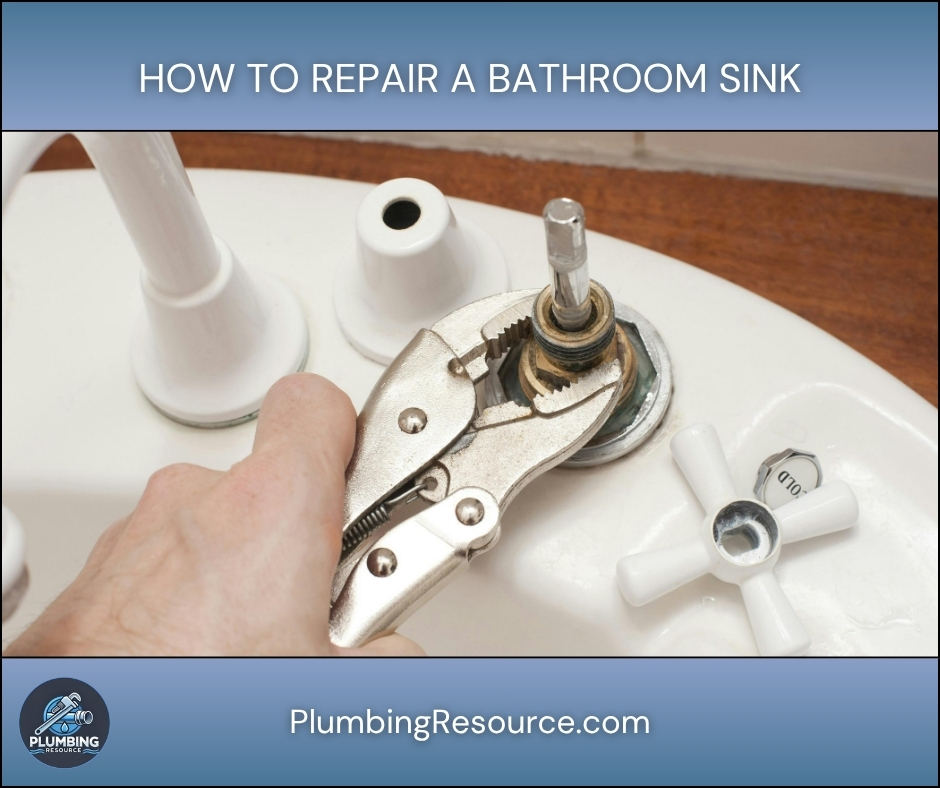
Turn the faucet handle screws counterclockwise and remove the handles carefully. Then, inspect the cartridge, stem, washers, or O-rings depending on the faucet type.
Replace damaged components with matching replacement parts. In many cases, worn cartridges or washers cause persistent dripping.
8️⃣ Replace Damaged Supply Lines
Inspect braided supply lines for corrosion, bulging, or leaks near the fittings. If damage exists, disconnect the old lines and install new ones.
Wrap threaded fittings with plumber’s tape before reconnecting the supply lines. Then, tighten the fittings securely.
9️⃣ Reassemble the Plumbing Components
Reconnect the P-trap, supply lines, and any removed faucet components. Then, verify that all fittings are properly aligned and tightened.
Wipe the area dry so you can identify any new leaks during testing.
1️⃣0️⃣ Restore Water and Test the Sink
Slowly turn the shut-off valves back on. Then, run both hot and cold water while inspecting all connections carefully.
Check beneath the sink for leaks. In addition, fill the sink and drain it completely to confirm proper drainage and leak-free operation.
⚠️ Common Mistakes
- Overtightening plastic fittings
- Forgetting to shut off the water
- Reusing damaged washers
- Applying too much plumber’s putty
- Ignoring slow leaks beneath the sink
- Installing mismatched replacement parts
- Forgetting to test the drain after repairs
💡 Pro Tips
- Take photos before disassembly for easier reassembly.
- Replace old supply lines during major repairs.
- Keep spare faucet cartridges and washers available.
- Use a flashlight to inspect hidden leaks.
- Clean mineral buildup before installing new parts.
- Periodically inspect under-sink plumbing for moisture.
🔧 Troubleshooting
Sink Still Leaks After Tightening
The washer or gasket may be damaged. Therefore, replace the faulty seal and retest the connection.
Drain Remains Slow
Debris may still exist deeper in the drain line. In that case, use a drain auger or remove additional piping for inspection.
Faucet Continues Dripping
The replacement cartridge may be incorrect or improperly installed. Double-check compatibility and installation orientation.
Bad Odors Come From the Drain
Buildup inside the overflow channel or P-trap may cause odors. Clean these areas thoroughly with a brush and warm water.
👨🏻🔧 When to Call a Professional
Some bathroom sink problems require advanced plumbing repairs. Therefore, contact a licensed plumber if you notice:
- Persistent leaks behind walls
- Cracked drain pipes inside the wall
- Severe corrosion
- Repeated drain backups
- Water damage beneath flooring
- Mold growth near plumbing
- Low water pressure throughout the house
Professional diagnosis can prevent additional plumbing damage and costly repairs.
❓ FAQ
How To Repair a Bathroom Sink Leak?
First, identify the leak source beneath the sink. Then, tighten fittings or replace damaged seals, washers, or supply lines.
How long does it take to repair a bathroom sink?
Most basic repairs take one to three hours depending on the problem severity and part replacement requirements.
Can I repair a bathroom sink without replacing the faucet?
Yes. Many sink repairs involve washers, cartridges, drain assemblies, or supply lines rather than full faucet replacement.
Why does my bathroom sink keep leaking underneath?
Loose drain fittings, worn washers, cracked traps, or damaged supply lines commonly cause under-sink leaks.
How often should bathroom sink plumbing be inspected?
Inspect sink plumbing every few months. In addition, check immediately if you notice moisture, odors, or slow drainage.
✅ Conclusion
Learning How To Repair a Bathroom Sink can help you stop leaks, improve drainage, and extend the life of your plumbing fixtures. In many cases, early repairs prevent major water damage and costly plumbing problems. With the right tools and careful inspection, many common sink issues can be repaired successfully at home.
👋🏼 Before You Go…
If this guide helped you, save it for future reference and share it with someone dealing with bathroom sink problems. In addition, explore more plumbing repair guides to keep your home plumbing system working efficiently.