A homeowner replaces a leaking shut-off valve under the bathroom sink using a cheap replacement part from a discount store. At first, everything appears fine. However, several weeks later, the cabinet floor becomes damp, and a musty odor starts spreading through the bathroom.
Eventually, the homeowner discovers hidden water damage behind the vanity. In many homes, the hidden risks of using cheap plumbing parts begin exactly this way. Although low-cost plumbing components may appear identical to premium products, they often fail much sooner and create expensive plumbing problems.
Many homeowners try to reduce repair costs by choosing budget plumbing fittings, valves, supply lines, and fixtures. Unfortunately, those savings can quickly disappear when leaks, corrosion, or drain line failures develop inside the plumbing system.
❌ Why Homeowners Make This Mistake
Most cheap plumbing parts look nearly identical to higher-quality components. Therefore, many homeowners assume the products perform the same.
In addition, online advertisements frequently label inexpensive plumbing parts as “professional grade” or “heavy duty.” Because of those marketing claims, homeowners often believe the cheaper option offers the same reliability.
Many people also focus only on immediate repair costs. As a result, they overlook long-term durability and plumbing system protection.
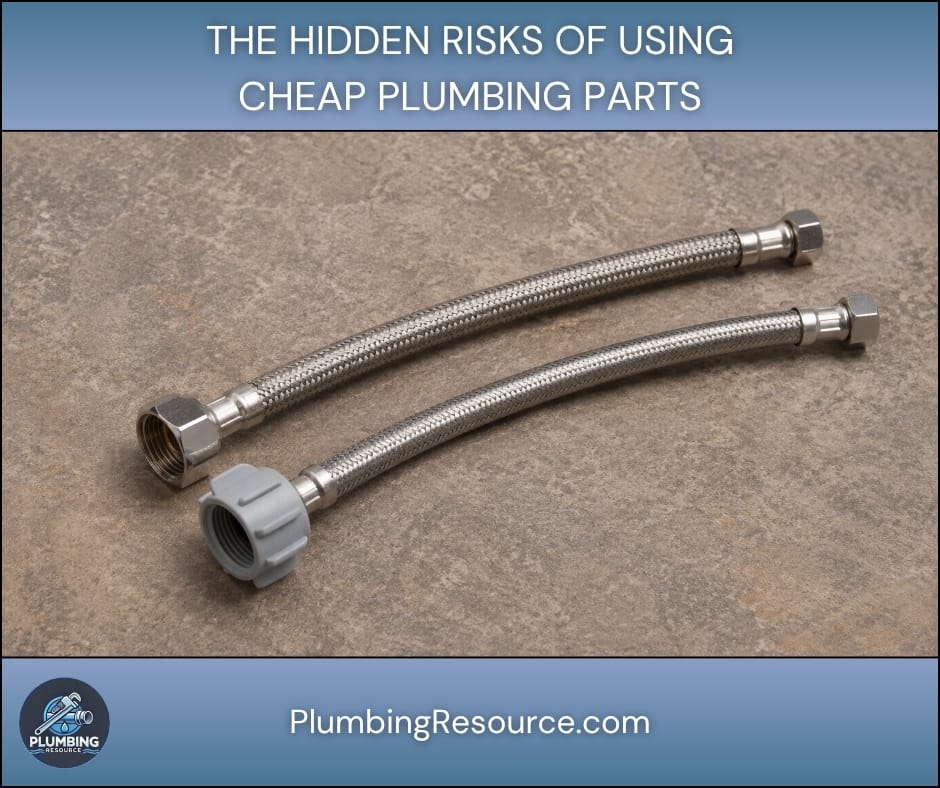
Furthermore, homeowners may assume small repairs do not require premium materials. Consequently, they install cheap supply lines, faucet cartridges, drain assemblies, and shut-off valves without considering future risks.
🔍 What Happens Inside the Plumbing System
The hidden risks of using cheap plumbing parts often begin with inferior manufacturing materials. Many low-cost components contain weak plastics, low-grade rubber seals, or thin metal fittings.
Over time, water pressure stresses these materials. Consequently, washers crack, seals shrink, and fittings loosen.
Inside the plumbing system, even tiny leaks can create serious hidden damage. For example, a slow drip behind a wall may soak insulation, framing, and drywall for months before visible signs appear.
Cheap drain components can also warp or deteriorate. As wastewater leaks beneath fixtures, mold growth and structural damage may develop.
In addition, low-quality metal parts frequently corrode faster. Corrosion inside supply lines or shut-off valves can eventually restrict water flow and weaken pipe connections.
Some off-brand plumbing fittings also fail under temperature changes. Because hot and cold water cycles expand and contract plumbing materials, weak fittings may crack prematurely.
⚠️ Early Warning Signs Most People Miss
Many plumbing problems develop slowly. However, homeowners often overlook the warning signs until serious damage occurs.
Small Water Stains Around Fixtures
Tiny stains near faucets, toilets, or supply lines may indicate failing seals or hidden leaks.
Musty Smells Under Cabinets
Persistent moisture from leaking plumbing parts often creates mold and mildew odors.
Corrosion on Plumbing Fittings
Rust or discoloration around shut-off valves may signal low-quality materials breaking down.
Intermittent Dripping Sounds
A dripping sound inside walls may point to hidden plumbing leaks.
Loose Fixture Connections
Cheap mounting hardware and fittings may loosen faster during normal use.
Water Pressure Changes
Failing cartridges and corroded valves can reduce water pressure throughout the plumbing system.
🛠️ Short-Term Plumbing Problems
Initially, homeowners may only experience minor plumbing issues. However, those problems can quickly worsen.
Dripping Faucets
Low-quality cartridges often wear out much faster than professional-grade components.
Small Leaks
Cheap plumbing fittings may fail around threaded connections or rubber seals.
Loose Toilets
Inferior wax rings and mounting hardware can eventually allow movement and leakage.
Fixture Problems
Budget faucets and shower valves may become difficult to operate after limited use.
Drainage Issues
Poorly manufactured drain assemblies may trap debris and create buildup inside drain lines.
💸 Long-Term Damage This Can Cause
The hidden risks of using cheap plumbing parts can eventually lead to major plumbing and structural damage.
Hidden Water Damage
Slow leaks behind walls may rot wood framing and damage drywall.
Mold Growth
Persistent moisture creates ideal conditions for mold inside cabinets and wall cavities.
Flooring Damage
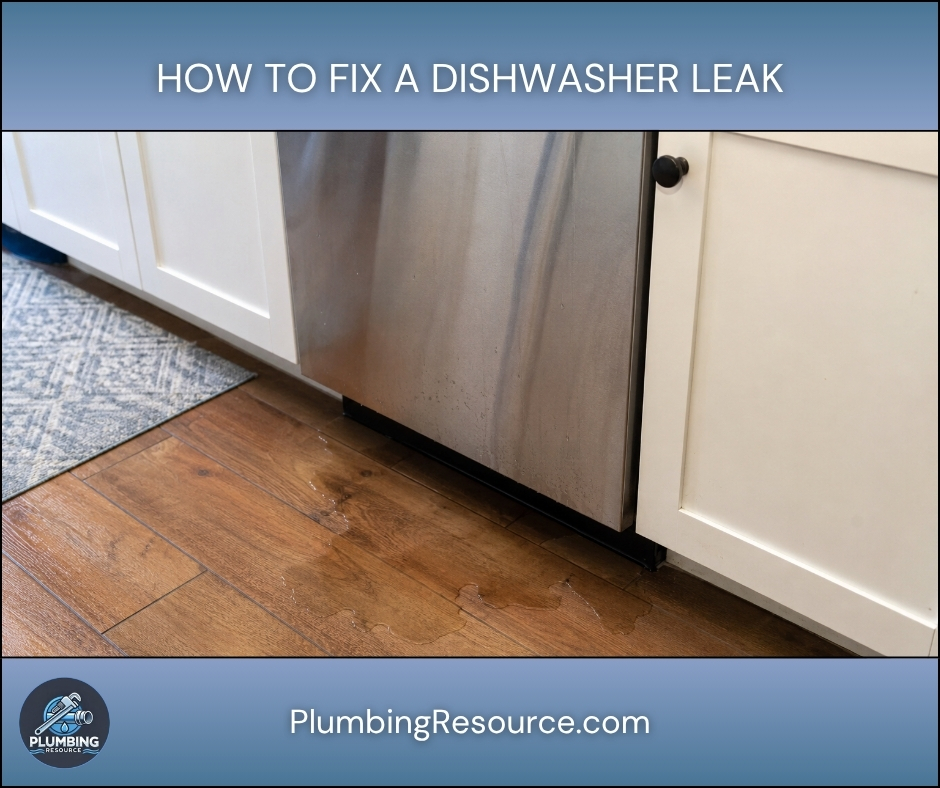
Leaking fixtures may damage tile, laminate, hardwood, or subfloor materials.
Sewer and Wastewater Leaks
Failing drain components can allow wastewater to escape beneath sinks or fixtures.
Expensive Emergency Repairs
Burst supply lines may flood large sections of a home within minutes.
Corrosion Throughout the Plumbing System
Low-quality metal components may accelerate corrosion around pipe connections.
Higher Repair Costs
Homeowners often spend far more replacing failed plumbing parts than they would have spent on quality materials initially.
🚫 Common Myths and Bad Advice
Many homeowners receive misleading plumbing advice online. Unfortunately, these myths often increase plumbing risks.
“All Plumbing Parts Are Basically the Same”
While plumbing components may look similar, internal quality varies dramatically.
“Cheap Parts Save Money”
Low-cost plumbing fittings frequently fail sooner and require repeated repairs.
“A Small Leak Is Not Serious”
Even tiny leaks can quietly damage cabinets, walls, and flooring over time.
“Online Reviews Always Mean Quality”
Some off-brand plumbing products use unreliable or manipulated reviews.
“Plastic Plumbing Parts Never Fail”
Certain plastics weaken under pressure, heat, and chemical exposure.
✅ The Correct Way to Handle the Situation
Homeowners should prioritize durability and long-term reliability when choosing plumbing components.
Buy Professional-Grade Plumbing Parts
Higher-quality plumbing products typically last much longer under daily use.
Use Trusted Manufacturers
Established plumbing brands usually maintain stricter testing and quality standards.
Verify Certifications
Look for plumbing components approved for potable water and residential plumbing systems.
Avoid Extremely Cheap Plumbing Kits
Very low prices often indicate poor manufacturing quality.
Replace Aging Supply Lines and Valves
Old components should not remain in service indefinitely.
Inspect Repairs After Installation
Monitor new plumbing repairs for leaks or moisture during the following weeks.
👨🏻🔧 DIY vs When to Call a Licensed Plumber
Some plumbing tasks are safe for homeowners. However, certain problems require professional diagnosis and equipment.
DIY Tasks Homeowners Can Usually Handle
- Replacing faucet aerators
- Installing quality supply lines
- Tightening loose fixture connections
- Inspecting visible plumbing leaks
- Replacing showerheads
When to Call a Licensed Plumber
Contact a licensed plumber if you notice:
- Water damage behind walls
- Corroded plumbing valves
- Repeated fixture leaks
- Sewer odors
- Burst pipes
- Low water pressure
- Drain line leaks
- Hidden moisture damage
Licensed plumbers can also identify deeper plumbing system issues before they worsen.
🧰 Prevention Tips That Actually Work
Preventing plumbing failures requires better purchasing decisions and regular maintenance.
Choose Quality Plumbing Components
Professional-grade plumbing parts generally last much longer.
Avoid Unknown Off-Brand Products
Research manufacturers before purchasing plumbing fittings or fixtures.
Inspect Supply Lines Annually
Check for corrosion, bulging, or moisture around fittings.
Replace Rubber Seals Periodically
Washers and seals naturally wear out over time.
Use Proper Installation Techniques
Overtightening fittings may damage threads and seals.
Keep Plumbing Areas Dry
Dry cabinets and fixture bases help reveal leaks earlier.
Save Product Information
Keep receipts and manufacturer details for warranty purposes.
❓ FAQ
Why are cheap plumbing parts risky?
Cheap plumbing parts often contain weaker materials that fail sooner and create leaks, corrosion, or plumbing damage.
Can cheap plumbing fittings cause hidden leaks?
Yes. Low-quality fittings may loosen, crack, or fail under pressure, leading to hidden water damage.
What plumbing parts fail most often?
Supply lines, shut-off valves, faucet cartridges, drain assemblies, and wax rings commonly fail when poor-quality materials are used.
Are off-brand plumbing parts always bad?
Not every off-brand product is poor quality. However, many inexpensive plumbing components fail earlier due to weaker materials and limited testing.
How can homeowners avoid plumbing part failures?
Use professional-grade plumbing components, inspect plumbing regularly, and avoid extremely cheap replacement parts.
✅ Conclusion
The hidden risks of using cheap plumbing parts often remain unnoticed until serious damage appears. Although inexpensive plumbing components may reduce upfront costs, they frequently create leaks, corrosion, fixture failures, and expensive repairs later.
Fortunately, homeowners can prevent many of these problems by choosing reliable plumbing materials and inspecting their plumbing system regularly. In addition, understanding early warning signs helps stop hidden damage before it becomes severe.
A dependable plumbing system starts with quality components, proper installation, and long-term maintenance habits.
👋🏼 Before You Go…
If this guide helped you understand the hidden risks of using cheap plumbing parts, save it for future repairs and share it with other homeowners. A small plumbing decision today can prevent major water damage tomorrow.