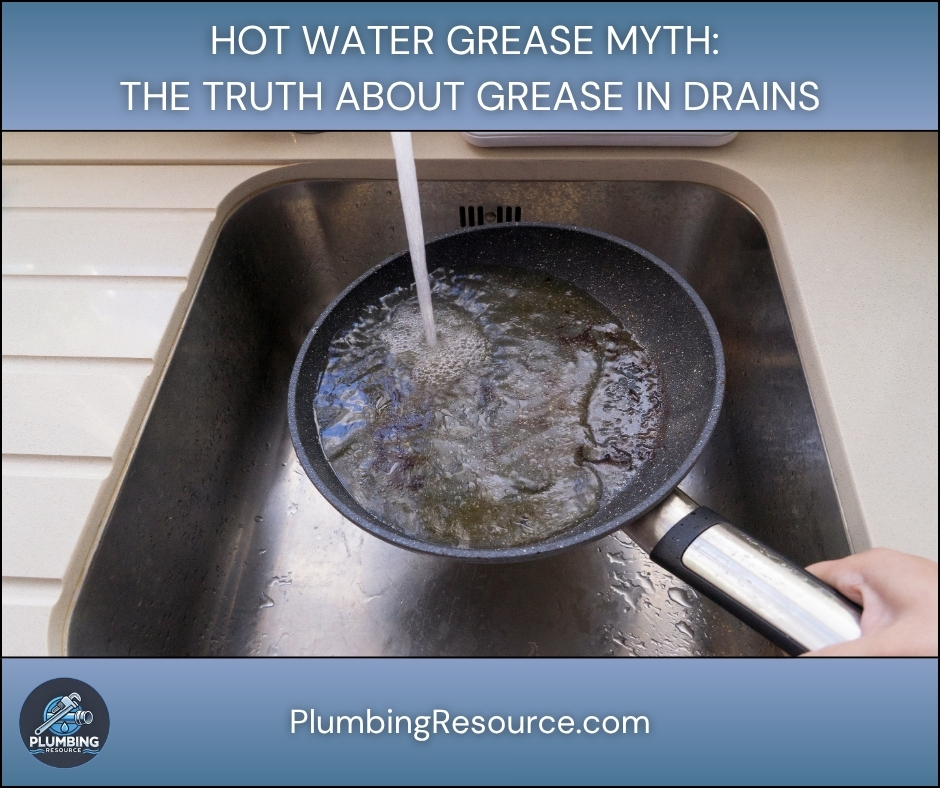
Grease disposal is one of the most common plumbing topics homeowners ask me about. One piece of advice seems to come up over and over again: simply run hot water when pouring grease down the drain and everything will be fine.
Unfortunately, that advice has caused countless drain blockages that I have repaired over the years. The Hot Water Grease Myth sounds logical because grease melts when heated. However, your plumbing system does not stay hot forever.
A small mistake in the kitchen can eventually become an expensive plumbing repair. Understanding how grease behaves inside your pipes can help you avoid clogs, sewer backups, and unnecessary service calls.
Quick Answer
No. Hot water is not always best for grease. Although hot water may temporarily melt grease and move it farther down the drain, the grease usually cools and solidifies later inside your plumbing system, where it can build up and create serious blockages.
The Myth
Many homeowners believe that pouring grease down the drain is perfectly safe as long as they follow it with plenty of hot water.
Some people even add dish soap and assume the problem is solved.
This advice often comes from:
- Family traditions
- Old household tips
- Social media videos
- Outdated plumbing advice
- Misunderstanding how grease behaves
The common belief is simple:
“If the grease is liquid, it can’t clog the pipes.”
Unfortunately, that is not how plumbing systems work.
The Fact
The truth is that hot water only provides a temporary solution.
As an experienced licensed plumber, I have cleared hundreds of kitchen drain lines that were packed with hardened grease. Many homeowners were convinced they had done everything correctly because they always ran hot water afterward.
The problem is that grease travels through several stages.
- Grease enters the drain while hot.
- Hot water keeps it moving temporarily.
- The grease travels deeper into the plumbing.
- The water cools.
- The grease hardens on pipe walls.
- More grease sticks to the buildup.
- Food particles collect.
- A blockage eventually forms.
In many cases, hot water simply moves the clog farther away from the kitchen sink and deeper into the drain system, making it more difficult and expensive to remove.
Why the Hot Water Grease Myth Exists
The Hot Water Grease Myth exists because people see grease melt in a frying pan.
Naturally, they assume the same thing happens inside plumbing pipes.
Years ago, some plumbing systems were shorter and simpler, which occasionally allowed small amounts of grease to pass through without immediate problems.
Modern homes often have long drain runs with multiple fittings, elbows, and horizontal sections. These areas allow cooling grease to collect and stick to pipe walls.
In addition, many online cleaning hacks oversimplify the issue. They show grease disappearing into a drain but never show what happens several feet farther down the pipe.
Out of sight does not mean out of danger.
What Can Actually Happen
Ignoring the facts behind the Hot Water Grease Myth can create several plumbing problems.
Kitchen Drain Clogs
Grease buildup slowly reduces the diameter of the drain pipe.
Eventually, water drains slowly or stops completely.
Sewer Line Blockages
Grease does not always stop inside the kitchen branch line.
It can move into the main sewer line and combine with debris, creating larger obstructions.
Expensive Drain Cleaning
A simple habit can eventually require professional drain cleaning equipment, augers, or hydro jetting.
Sewer Backups
Severe grease blockages may cause wastewater to back up into sinks or other fixtures.
Pipe Damage
Repeated clogs increase pressure and stress on older plumbing systems.
Higher Repair Costs
The deeper the blockage travels, the more labor may be required to remove it.
What You Should Do Instead
Fortunately, preventing grease problems is simple.
Let Grease Cool
Allow cooking grease to cool and harden.
Dispose of It Properly
Place cooled grease into a disposable container and throw it in the trash.
Wipe Greasy Pans
Use paper towels to remove excess grease before washing cookware.
Use Plenty of Dish Soap During Cleaning
Dish soap helps break down residue on cookware, although it should not be relied upon to protect your plumbing.
Install a Sink Strainer
A quality sink strainer helps keep food scraps from combining with grease deposits.
Maintain Your Drains
Regular maintenance helps prevent buildup from becoming a major issue.
Call a Professional When Needed
If you notice slow drains, recurring backups, gurgling sounds, or unpleasant odors, it may be time for a professional inspection.
Common Questions About the Hot Water Grease Myth
Does boiling water dissolve grease forever?
No. Boiling water may melt grease temporarily, but the grease usually hardens again when it cools.
Does dish soap make pouring grease safe?
No. Dish soap can emulsify grease for a short time, but it does not prevent future buildup.
Can small amounts of grease go down the drain?
Even small amounts accumulate over time and contribute to blockages.
Is bacon grease worse than vegetable oil?
Animal fats generally harden more quickly, but cooking oils can also contribute to drain buildup.
What is the safest way to dispose of cooking grease?
Allow it to cool, place it in a container, and throw it in the trash.
Final Verdict
Myth or Fact?
MYTH
Hot water may move grease through your pipes temporarily, but it does not eliminate the problem. As the grease cools, it can harden inside the plumbing system and create serious blockages.
After years of working as a licensed plumber, I can confidently say that many expensive drain cleaning calls begin with this simple misconception.
A few extra seconds spent disposing of grease properly can save hundreds or even thousands of dollars in plumbing repairs.
Make informed decisions today, and your plumbing system will thank you later.
Related Plumbing Myths
You may also enjoy these Myth vs. Fact articles:
- Does Ice Sharpen Garbage Disposal Blades?
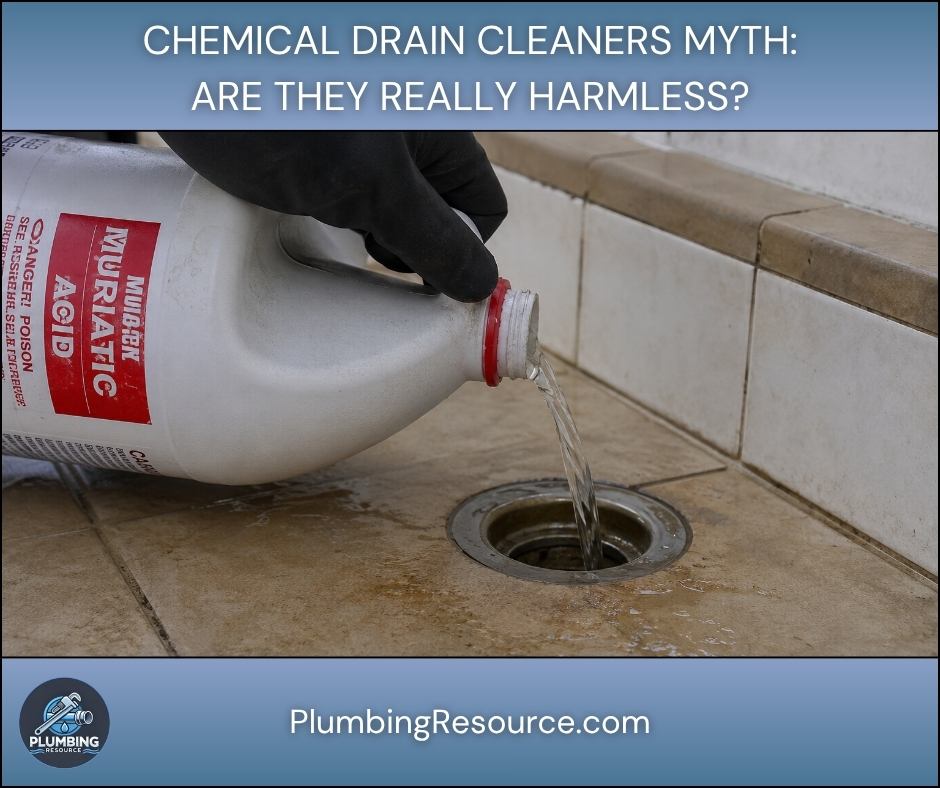
- Are Chemical Drain Cleaners Safe for Pipes?
- Can You Flush Paper Towels?
- Do Tankless Water Heaters Need Maintenance?
- Does Lemon Clean Your Garbage Disposal?
Key Takeaways
- Hot water does not permanently remove grease.
- Grease cools and hardens inside drain pipes.
- Dish soap is not a complete solution.
- Small amounts of grease build up over time.
- Kitchen drain clogs often start with grease deposits.
- Proper grease disposal prevents expensive repairs.
- Wiping greasy pans helps protect plumbing.
- Preventive maintenance saves money.