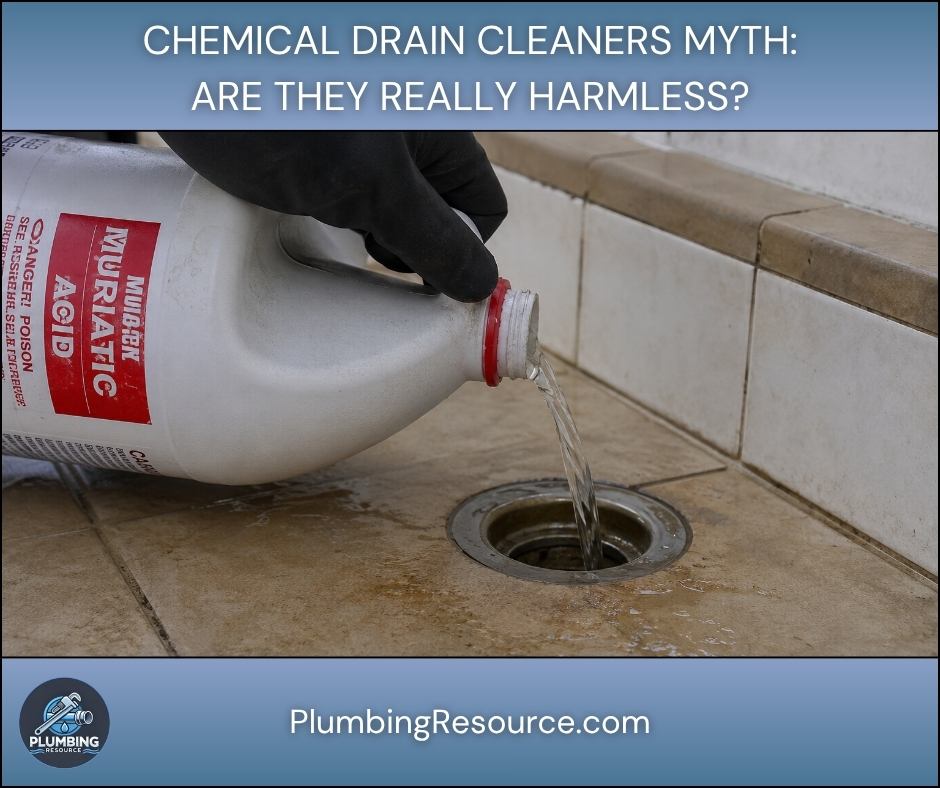
Many homeowners believe that pouring a bottle of chemical drain cleaner into a slow sink or shower drain is a quick, easy, and harmless fix. The labels promise fast results, and countless online videos make it look like the simplest solution.
The truth is that the Chemical Drain Cleaners Myth has caused many homeowners to unknowingly damage their plumbing while only temporarily hiding the real problem. As a licensed plumber, I’ve seen pipes weakened by repeated chemical use, drain lines that needed expensive repairs, and small clogs that turned into major plumbing headaches.
Understanding how these products actually work can save you money and help protect your home’s plumbing system.
Quick Answer
No, chemical drain cleaners are not harmless. While they may temporarily clear some clogs, they can damage pipes, weaken plumbing components, create safety hazards, and often fail to remove the real blockage. Mechanical drain cleaning methods are usually safer and more effective.
The Myth
Many people believe that:
- Chemical drain cleaners are safe for all pipes.
- If they are sold in stores, they must be harmless.
- Regular use helps prevent clogs.
- They completely remove drain blockages.
- They are always cheaper than hiring a plumber.
This advice often comes from advertisements, social media, online videos, and old home maintenance tips.
The Fact
Most chemical drain cleaners work by creating a powerful chemical reaction inside your drain.
Some contain strong acids, while others use highly caustic chemicals that generate heat to break down organic material. Although these chemicals may dissolve hair, soap scum, or grease, they can also affect the plumbing system itself.
In my experience as a licensed plumber, chemical cleaners rarely remove the entire clog. Instead, they often create a small opening that allows water to pass while leaving much of the blockage behind.
The drain seems fixed for a short time, but the problem usually returns.
Many homeowners simply pour in another bottle, repeating the cycle until the plumbing system begins to suffer damage.
Why This Myth Exists
Marketing Makes It Look Easy
Advertising often shows drains instantly clearing, making these products appear to be a permanent solution.
Temporary Results Feel Permanent
If the sink drains for a few days afterward, many people assume the clog is completely gone.
Unfortunately, that is not always the case.
Outdated Advice Still Circulates
For years, chemical cleaners have been recommended without much discussion about their long-term effects.
Social Media Loves Quick Fixes
Short videos focus on convenience, but plumbing systems are more complicated than a thirty-second demonstration.
What Can Actually Happen
Pipe Damage
Repeated chemical exposure can weaken some plumbing materials over time.
Older metal pipes are especially vulnerable to corrosion, while some plastic components can be stressed by excessive heat.
Damaged Seals and Fittings
Rubber gaskets, sink strainers, threaded connections, and drain assemblies may deteriorate from repeated chemical contact.
Sewer Backups
If the clog is only partially dissolved, debris can continue building until a complete blockage occurs.
Safety Hazards
Chemical drain cleaners can remain trapped inside the drain. If someone later opens the plumbing, those chemicals can splash out and create a serious injury risk.
Fixture Damage
Some chemicals may stain or damage sink surfaces and finishes.
Costly Repairs
Many expensive plumbing repairs begin with homeowners repeatedly trying to treat the same clog with chemicals instead of addressing the actual cause.
The Plumbing Science Behind It
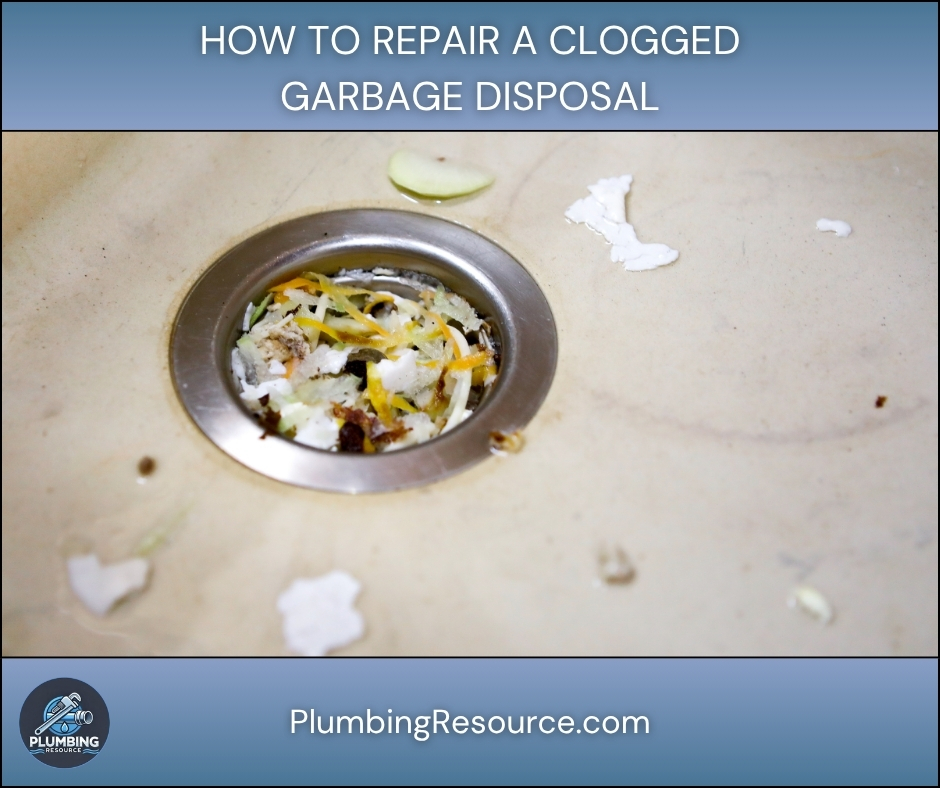
Drains clog because materials build up inside the pipe.
Common causes include:
- Hair
- Soap residue
- Grease
- Food waste
- Mineral buildup
- Foreign objects
- Tree roots
Chemical cleaners do not physically remove many of these materials. They simply try to dissolve part of the blockage.
Mechanical methods such as drain snakes, augers, and hydro jetting physically remove the clog and restore proper flow.
That is one reason professional drain cleaning often lasts much longer.
What You Should Do Instead
Use a Plunger
Many simple sink and tub clogs can be cleared with proper plunging.
Try a Drain Snake
A hand auger can safely remove hair and debris without exposing your plumbing to harsh chemicals.
Use Hot Water When Appropriate
Hot water may help clear soap residue, but it should not be relied upon to remove grease buildup.
Practice Good Drain Habits
Avoid putting these items down your drains:
- Grease
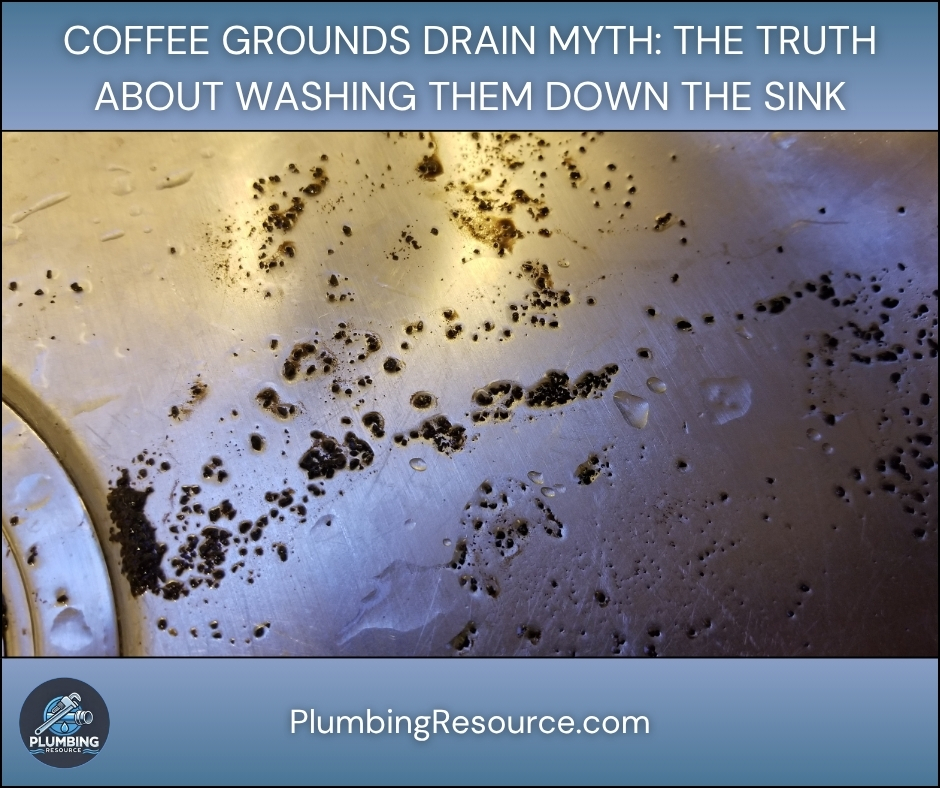
- Coffee grounds
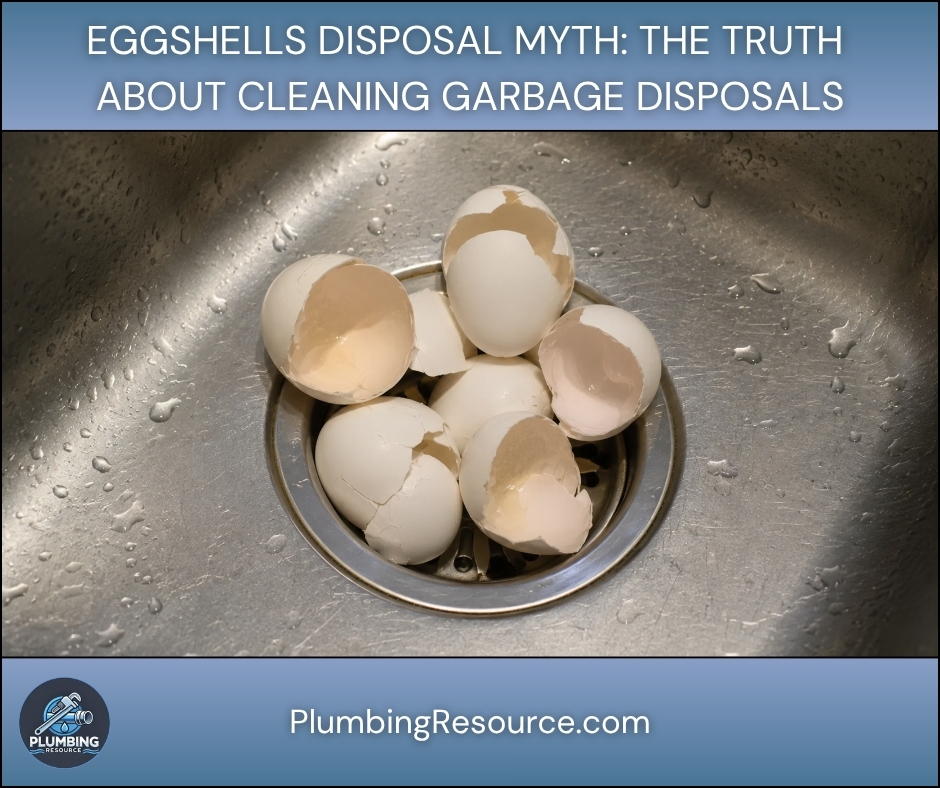
- Eggshells
- Large food scraps
- Paper towels
- Wipes
Call a Professional
If the same drain repeatedly clogs or backs up, there may be a deeper issue that requires professional equipment and inspection.
Common Questions About the Chemical Drain Cleaners Myth
Are chemical drain cleaners safe for PVC pipes?
Occasional use may not cause immediate damage, but repeated use and excessive heat can create long-term problems.
Can chemical drain cleaners damage old pipes?
Yes. Older metal plumbing systems are often more susceptible to corrosion.
Why do plumbers dislike chemical drain cleaners?
They frequently fail to remove the entire clog and can create dangerous working conditions.
Is there a safer alternative?
Mechanical drain cleaning methods are generally safer and more effective.
Should I use chemical drain cleaners for preventive maintenance?
No. Good plumbing maintenance focuses on preventing buildup rather than repeatedly exposing pipes to harsh chemicals.
Final Verdict
Myth or Fact?
MYTH
Chemical drain cleaners are not harmless.
While they may temporarily improve drainage, they can damage plumbing components, create safety hazards, and fail to solve the underlying problem.
As a licensed plumber, I recommend fixing the cause of the clog instead of relying on repeated chemical treatments.
Making informed plumbing decisions today can help you avoid expensive repairs tomorrow.
Related Plumbing Myths
- Is Drano Safe for Pipes?
- Does Hot Water Remove Grease?
- Can Ice Sharpen Garbage Disposal Blades?
- Does Lemon Clean Your Garbage Disposal?
- Can You Flush Paper Towels?
Key Takeaways
- Chemical drain cleaners are not harmless.
- They often provide only temporary relief.
- Repeated use may damage plumbing systems.
- Mechanical cleaning is usually safer.
- Prevention is better than chemical treatment.
- Professional inspections solve recurring problems.
- Good drain habits reduce costly repairs.