Quick Answer
No, coffee grounds are not safe to wash down the drain. Although they may seem harmless because they are small and gritty, they do not dissolve in water. Instead, they can collect inside pipes, trap grease and food debris, and eventually cause stubborn drain clogs.
Introduction
Every plumber has heard it.
“I’ve been washing coffee grounds down my sink for years and never had a problem.”
Unfortunately, that common belief has helped create one of the most expensive kitchen plumbing mistakes homeowners make. The Coffee Grounds Drain Myth continues to spread because coffee grounds appear to flow away easily. However, what happens after they disappear down the drain is a completely different story.
As a licensed plumber, I have cleared countless kitchen drain lines packed with coffee grounds mixed with grease, soap residue, and food waste. In many cases, homeowners had no idea their daily routine was slowly creating a blockage.
Understanding how your plumbing system works can help you avoid unnecessary repairs, costly drain cleaning, and potential water damage.
The Myth
Many people believe that coffee grounds are safe to wash down the drain because:
- They are small particles.
- They seem to rinse away quickly.
- Garbage disposals appear to grind them into tiny pieces.
- Family members have always done it.
- Advice online often claims they help clean pipes or eliminate odors.
Some homeowners even believe coffee grounds sharpen garbage disposal blades or help scrub the inside of the drain.
Unfortunately, none of those claims are true.
The Fact
Coffee Grounds Drain Myth: The Real Plumbing Science
Coffee grounds do not dissolve in water.
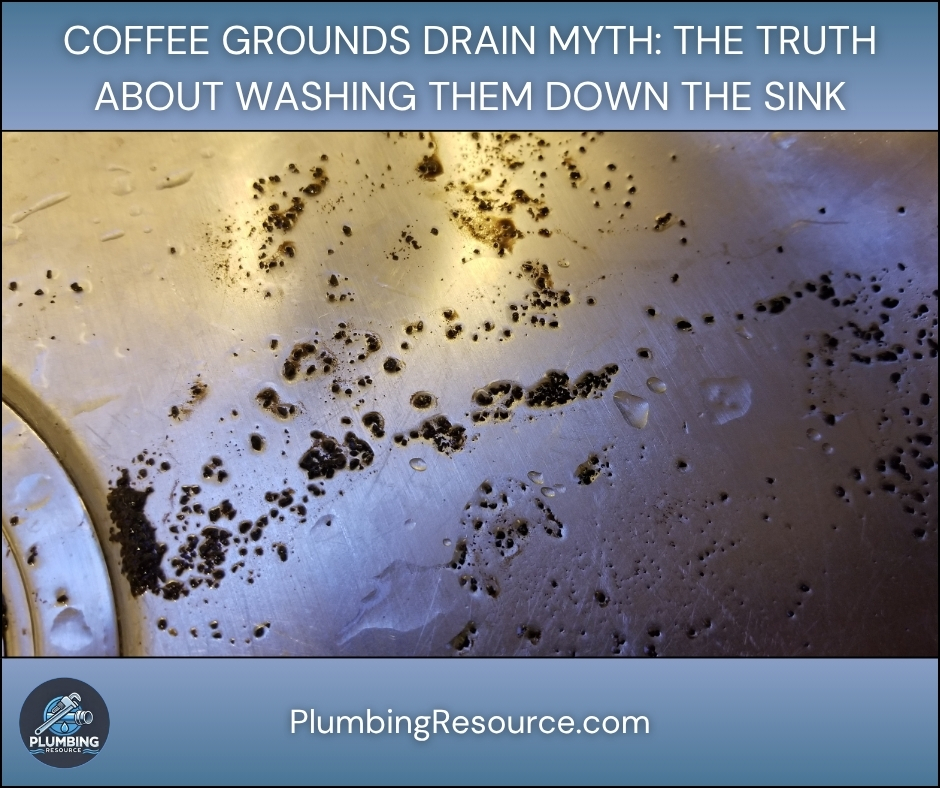
Unlike toilet paper or certain biodegradable materials, coffee grounds remain solid after they enter the plumbing system. In fact, wet coffee grounds often clump together into a dense, muddy mass.
Even if you have a garbage disposal, the disposal does not magically make coffee grounds disappear. It simply chops them into smaller particles, which can still collect inside pipes.
Over time, these particles combine with:
- Cooking grease
- Oils and fats
- Soap residue
- Food scraps
- Mineral buildup
Eventually, they create a thick blockage that restricts water flow.
From years of field experience, I can say that kitchen drain lines clogged with coffee grounds are extremely common. Once the buildup hardens, homeowners often need professional drain cleaning or hydro jetting to restore proper flow.
Why This Myth Exists
Coffee Grounds Drain Myth: Why So Many People Believe It
This misconception exists for several reasons.
First, the problem usually develops slowly. A homeowner may wash coffee grounds down the sink for months or even years before the drain finally clogs.
Second, garbage disposals create a false sense of security. People assume the machine completely destroys everything placed inside it.
Third, old household tips have been passed down through generations. Some people still recommend using coffee grounds to “clean” drains because they have a gritty texture.
Finally, social media and online forums often spread plumbing advice without understanding how real drainage systems work.
Just because something disappears down the drain does not mean it safely exits your plumbing system.
What Can Actually Happen
Coffee Grounds Drain Myth: The Hidden Risks
Ignoring this plumbing fact can lead to several costly problems.
Drain Clogs
Coffee grounds stick to rough surfaces inside drain pipes. As additional debris collects, water flow becomes restricted.
Garbage Disposal Problems
Coffee grounds can accumulate inside disposal chambers and discharge pipes, reducing performance over time.
Sewer Line Blockages
If enough grounds enter the system, they can contribute to larger blockages farther down the line.
Slow Kitchen Drains
One of the earliest warning signs is water draining more slowly after washing dishes.
Foul Odors
Wet organic material trapped inside pipes can produce unpleasant smells.
Water Damage
If a blockage becomes severe, sinks can overflow or wastewater can back up into the home.
Expensive Repairs
Professional drain cleaning costs far less than repairing water damage or replacing damaged plumbing components.
What You Should Do Instead
Fortunately, preventing coffee ground clogs is simple.
Step 1: Throw Grounds in the Trash
Allow used grounds to cool and place them in the garbage.
Step 2: Compost Them
Coffee grounds make excellent compost material because they add organic matter to the soil.
Step 3: Use Them in the Garden
Many gardeners use coffee grounds around certain plants as part of their composting routine.
Step 4: Wipe Grease from Pans
Since grease and coffee grounds create a particularly bad combination, wipe grease into the trash before washing cookware.
Step 5: Flush Kitchen Drains with Hot Water and Dish Soap
Occasionally flushing the drain can help remove minor grease residue. However, hot water alone will not dissolve coffee grounds that are already trapped.
Step 6: Call a Professional When Needed
If your sink drains slowly, gurgles, or repeatedly clogs, a licensed plumber should inspect the system before the blockage becomes worse.
Common Questions About the Coffee Grounds Drain Myth
Can coffee grounds damage pipes?
Coffee grounds typically do not corrode pipes, but they can create blockages that reduce drainage and increase plumbing stress.
Are coffee grounds safe for garbage disposals?
No. Garbage disposals grind coffee grounds, but they do not dissolve them. The particles can still build up inside the plumbing system.
Can hot water wash coffee grounds away?
Hot water may move them temporarily, but it does not dissolve them. They can still settle farther down the drain.
Is it okay to wash small amounts of coffee grounds down the sink?
Even small amounts can accumulate over time, especially when combined with grease and soap residue.
What is the best way to dispose of coffee grounds?
The best options are throwing them in the trash or adding them to a compost pile.
Final Verdict
Myth or Fact?
MYTH
Coffee grounds are not safe to wash down the drain.
Although they appear harmless, they do not break down in water and can combine with grease and other debris to create stubborn plumbing blockages.
As an experienced licensed plumber, I always recommend keeping coffee grounds out of kitchen drains. A simple habit change today can help prevent expensive plumbing repairs tomorrow.