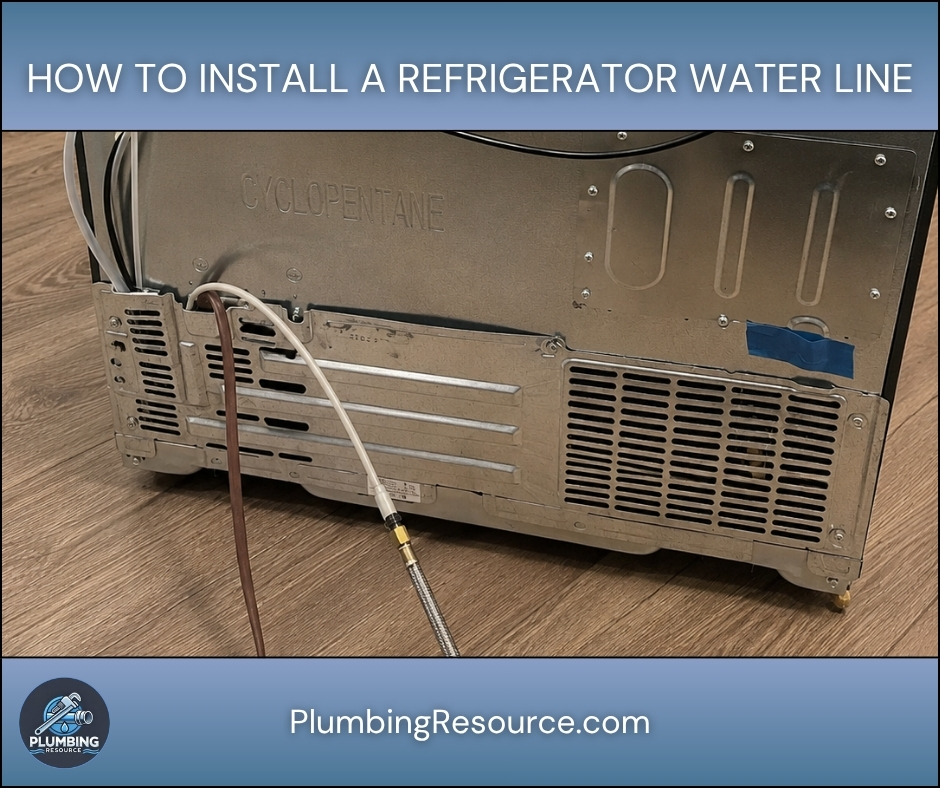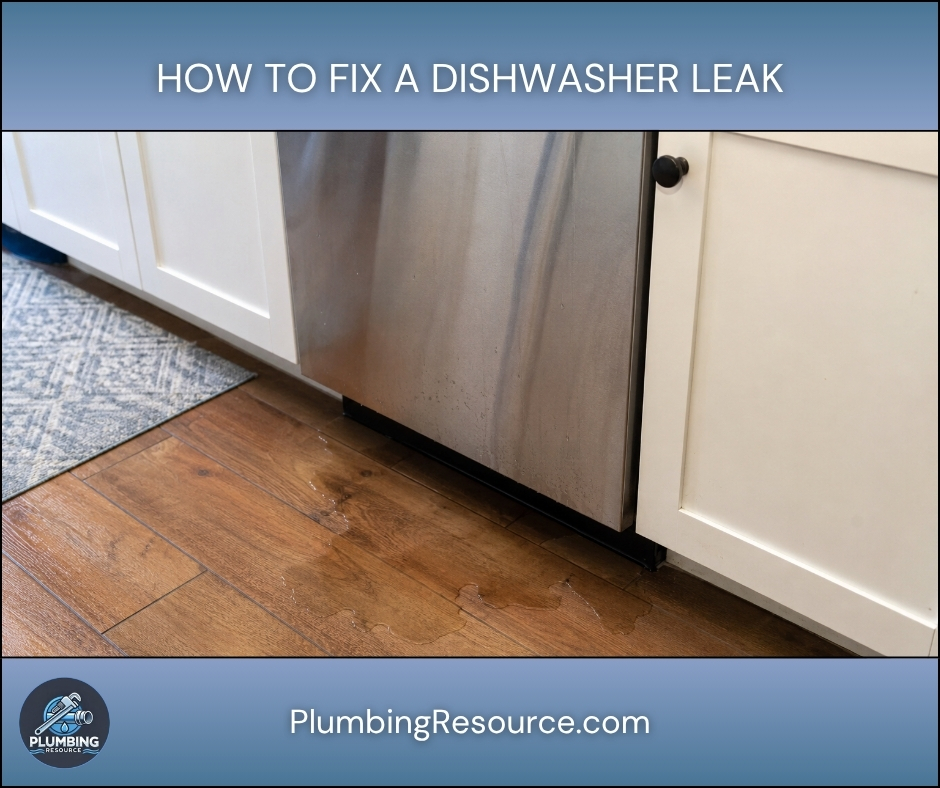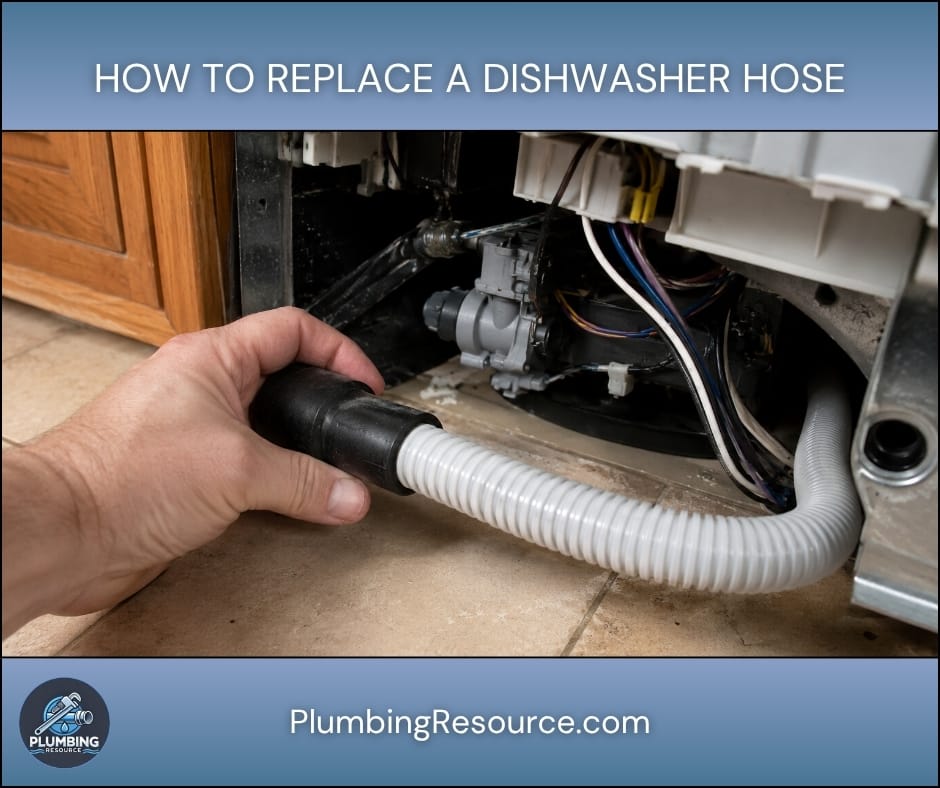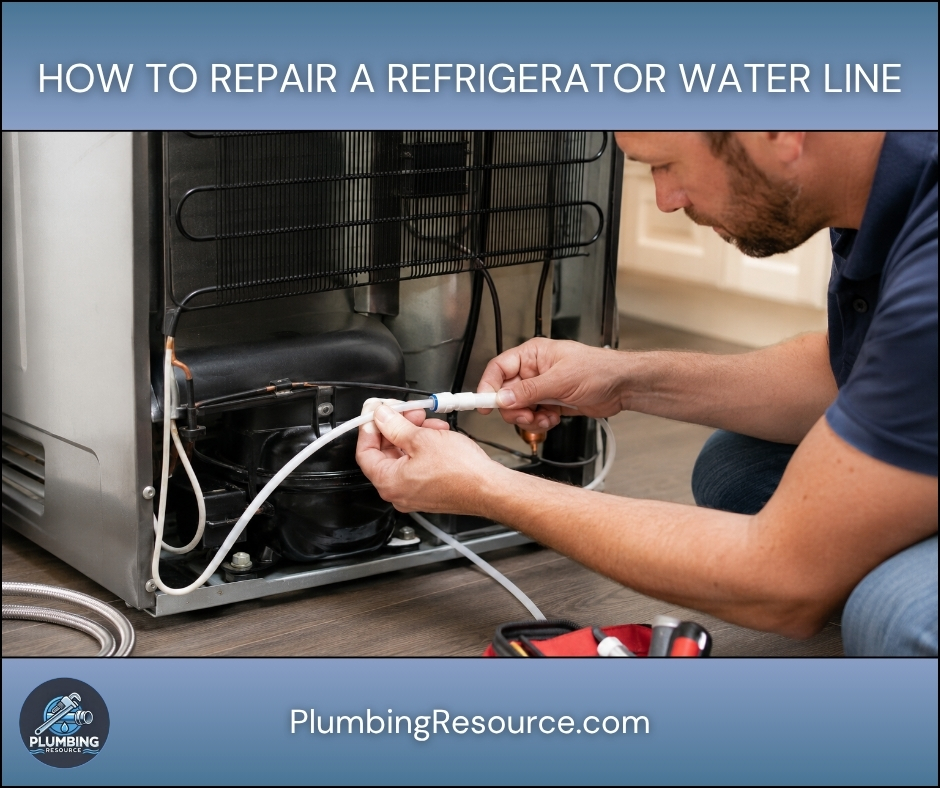
If you need to know how to repair a refrigerator water line, you’re not alone. A damaged or leaking water line can cause water damage, low ice production, and poor dispenser performance. Fortunately, many refrigerator water line problems can be repaired with basic tools and a little patience.
🔍 Understanding the Project
Refrigerator water lines commonly develop problems because of age, movement behind the appliance, kinks, or damaged fittings. Over time, plastic tubing may become brittle and crack. In addition, connections can loosen and begin leaking.
Warning signs include puddles behind the refrigerator, reduced water flow, poor ice production, or visible damage to the tubing. However, ignoring the issue can lead to mold growth, damaged flooring, and higher water bills.
Therefore, repairing the water line promptly helps prevent more expensive problems later.
🧰 Tools & Materials
- Adjustable wrench
- Utility knife or tubing cutter
- Bucket or towel
- Flashlight
- Replacement water line tubing
- Compression fittings or push-to-connect fittings
- Pipe thread sealant (if required)
- Measuring tape
- Work gloves
🛠️ Step-By-Step Guide: How To Repair a Refrigerator Water Line
1️⃣ Turn Off the Water Supply
Locate the shut-off valve that supplies water to the refrigerator. Then, turn it clockwise until it stops. Next, dispense water from the refrigerator to relieve pressure in the line.
2️⃣ Pull the Refrigerator Away From the Wall
Carefully move the refrigerator forward. However, avoid pulling too hard because this can damage the line further.
3️⃣ Inspect the Water Line
Use a flashlight to examine the tubing. Look for cracks, kinks, loose fittings, or areas where the tubing has rubbed against another surface.
4️⃣ Identify the Damaged Section
Once you locate the problem area, determine whether you can repair the line or if replacing a section is necessary. In many cases, replacing damaged tubing provides a longer-lasting repair.
5️⃣ Cut Out the Damaged Portion
Using a tubing cutter or utility knife, remove the damaged section. Make clean, square cuts because uneven cuts may cause leaks.
6️⃣ Install a Coupling or New Tubing
Insert the tubing into a compression fitting or push-to-connect coupling. Then, make sure the tubing seats completely inside the fitting.
7️⃣ Tighten the Connections
Secure all fittings according to the manufacturer’s instructions. However, avoid overtightening because this may damage the tubing.
8️⃣ Turn the Water Back On
Slowly open the shut-off valve. Then, inspect every connection carefully for leaks.
9️⃣ Test the Refrigerator
Dispense several glasses of water and allow the ice maker to cycle. In addition, monitor the repaired section for several minutes to ensure no water escapes.
🔟 Push the Refrigerator Back Into Place
Carefully slide the refrigerator back toward the wall. However, leave enough space to prevent the water line from becoming pinched.
⚠️ Common Mistakes
- Forgetting to shut off the water supply
- Reusing damaged fittings
- Making crooked tubing cuts
- Overtightening compression fittings
- Kinking the water line while moving the refrigerator
- Ignoring small leaks
- Using tubing that is not approved for potable water
💡 Pro Tips
- Replace old plastic tubing with braided stainless steel or PEX tubing.
- Also, leave a gentle loop behind the refrigerator to prevent strain.
- Inspect the water line annually.
- Install a leak detector behind the appliance.
- Furthermore, replace brittle tubing before it fails.
🔧 Troubleshooting
How To Repair a Refrigerator Water Line That Still Leaks
Check whether the tubing is fully inserted into the fitting. In addition, inspect for cracks near the connection.
Low Water Flow After Repair
Air may be trapped inside the line. Therefore, dispense several glasses of water to purge the air.
Ice Maker Stops Working
Make sure the shut-off valve is fully open. Also, verify that the water line is not kinked.
Water Line Freezes
Increase the freezer temperature slightly and inspect the tubing routing. Sometimes, improper placement causes freezing.
👨🏻🔧 When to Call a Professional
Consider calling a plumber if:
- The shut-off valve leaks
- The water line is hidden inside walls
- Copper tubing requires soldering
- Water damage has already occurred
- The leak source cannot be identified
- Multiple repairs have failed
❓ FAQ
How do I know if my refrigerator water line is leaking?
Common signs include water behind the refrigerator, puddles on the floor, reduced water pressure, or decreased ice production.
Can I repair a refrigerator water line without replacing it?
Yes. Small damaged sections can often be repaired with couplings or fittings. However, severely damaged tubing should be replaced.
What type of tubing works best for a refrigerator water line?
Braided stainless steel and PEX tubing are durable choices. In addition, they resist kinks better than plastic tubing.
How much does it cost to repair a refrigerator water line?
DIY repairs typically cost between $10 and $50. Professional repairs may cost more depending on accessibility and damage.
How often should refrigerator water lines be replaced?
Many supply lines last 5 to 10 years. However, older plastic tubing should be inspected regularly and replaced if it becomes brittle.
✅ Conclusion
Learning how to repair a refrigerator water line can help prevent leaks, water damage, and ice maker problems. By inspecting the tubing, replacing damaged sections, and checking for leaks, you can restore reliable water flow and protect your home.
👋🏼 Before You Go…
If you found this guide helpful, save it for future reference and share it with friends or family. A simple refrigerator water line repair today can help prevent costly water damage tomorrow.