Introduction
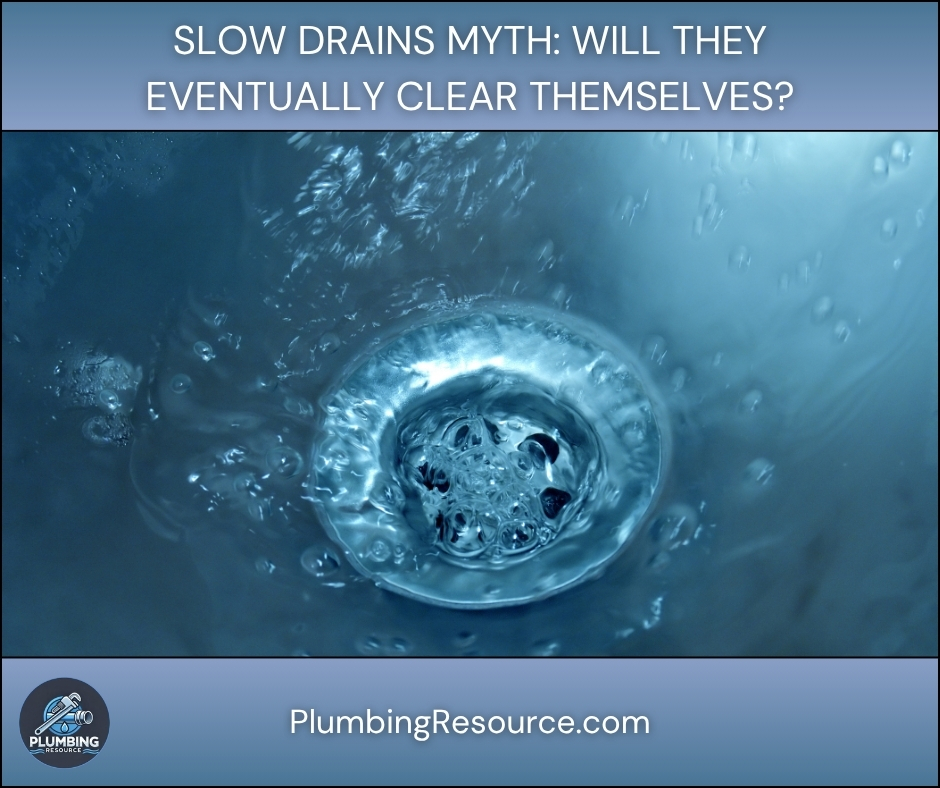
Many homeowners believe a slow drain is simply a temporary inconvenience that will eventually fix itself. After all, water is still going down the drain, just more slowly than normal. Because of this, people often postpone repairs and assume the problem will disappear over time.
However, the Slow Drains Myth can lead to expensive plumbing problems. In my years as a licensed plumber, I’ve seen countless minor drain issues turn into major backups because homeowners waited too long. Although a drain may continue working for weeks or even months, the underlying blockage usually grows worse instead of better.
Before you decide to ignore a sluggish sink, shower, or tub, it’s important to understand what’s really happening inside your pipes.
Quick Answer
No, the Slow Drains Myth is not true. Slow drains rarely clear themselves. In most cases, the obstruction continues to accumulate debris, causing drainage to worsen over time. Waiting often leads to complete blockages, sewer backups, water damage, and more expensive plumbing repairs.
The Myth
Slow Drains Myth: A Slow Drain Will Eventually Fix Itself
Many homeowners believe that if water is still moving through a drain, the problem will naturally resolve over time.
Common versions of this advice include:
- “Just give it a few days.”
- “Run more water through it.”
- “The clog will eventually wash away.”
- “Hot water will clear it out.”
- “It’s only draining slowly because it hasn’t been used enough.”
This advice often comes from friends, family members, social media videos, or personal experiences where a drain appeared to improve temporarily.
Unfortunately, these assumptions usually ignore the real cause of slow drainage.
The Fact
The Truth Behind the Slow Drains Myth
The reality is that slow drains almost never improve on their own.
Most slow drains occur because material has accumulated inside the pipe. Depending on the fixture, that buildup may include:
- Hair
- Soap scum
- Grease
- Food particles
- Mineral deposits
- Toilet paper residue
- Foreign objects
- Tree roots
As debris collects, the inside diameter of the pipe becomes smaller. Consequently, water has less space to flow.
Although water may continue passing through the restriction for a while, the blockage typically catches even more debris. As a result, the drain becomes progressively slower.
Think of it like cholesterol in an artery. A small buildup may not stop flow immediately, but it tends to grow rather than disappear.
What Happens Inside the Pipe
When water encounters a partial blockage, it slows down.
Because the flow rate decreases, solids have more opportunities to settle inside the pipe. Over time, additional buildup forms around the original obstruction.
Therefore, the restriction often becomes larger and more difficult to remove.
In many cases, homeowners don’t notice how bad the problem has become until the drain stops completely.
Real-World Plumbing Experience
As a licensed plumber, I’ve cleared countless drains that started as minor slow-drain complaints.
Frequently, homeowners tell me:
“It’s been draining slowly for months.”
In many of those situations, the pipe was nearly closed off by hair, grease, soap residue, or roots. Had the issue been addressed earlier, the repair would have been simpler and less expensive.
Why This Myth Exists
Why People Believe the Slow Drains Myth
Several factors contribute to this common misconception.
Temporary Improvement
Sometimes a drain appears to improve temporarily.
For example, a portion of a blockage may break loose and move farther down the line. As a result, drainage speeds up for a short period.
However, the underlying problem often remains.
Seasonal Usage Changes
Drain performance may fluctuate depending on how often a fixture is used.
A guest bathroom that sees little use may seem fine for weeks before suddenly becoming slow again.
This can create the illusion that the drain fixed itself.
Misunderstanding How Drain Systems Work
Many homeowners assume flowing water naturally cleans pipes.
While water helps move waste through the system, it does not typically remove heavy accumulations of grease, hair, soap scum, or roots.
In fact, water often contributes to additional buildup around existing obstructions.
Online Plumbing Advice
Unfortunately, social media and DIY videos frequently oversimplify plumbing problems.
Many online sources suggest waiting before taking action, which reinforces the Slow Drains Myth despite evidence to the contrary.
What Can Actually Happen
Consequences of Believing the Slow Drains Myth
Ignoring a slow drain can create much larger problems.
Complete Drain Blockages
The most common outcome is a fully clogged drain.
Eventually, enough debris accumulates that water can no longer pass through the pipe.
When that happens, sinks, tubs, showers, or toilets may stop draining altogether.
Sewer Backups
If the obstruction exists in a main sewer line, wastewater may begin backing up into the home.
Sewer backups can create:
- Unsanitary conditions
- Property damage
- Flooring damage
- Drywall damage
- Expensive cleanup costs
Water Damage
Overflowing sinks, tubs, or toilets can cause significant water damage.
Even a small overflow can damage:
- Cabinets
- Flooring
- Baseboards
- Subfloors
- Walls
Mold and Mildew Growth
Standing water creates ideal conditions for mold growth.
Consequently, a simple drain issue can develop into a larger indoor air quality concern.
More Expensive Repairs
Perhaps the biggest risk is cost.
A simple drain cleaning today may prevent:
- Emergency service calls
- Sewer line repairs
- Pipe replacements
- Water damage restoration
The longer a blockage remains, the more expensive it typically becomes.
What You Should Do Instead
How to Address a Slow Drain Properly
Rather than waiting for a slow drain to improve, take action early.
Step 1: Identify Which Fixtures Are Affected
Determine whether the problem affects:
- One sink
- One shower
- One toilet
- Multiple fixtures
If several fixtures drain slowly, a larger sewer issue may be developing.
Step 2: Remove Accessible Debris
For sinks and tubs:
- Remove visible hair
- Clean strainers
- Clear stopper assemblies
- Clean drain covers
Many minor restrictions are located near the drain opening.
Step 3: Flush With Hot Water (When Appropriate)
Hot water may help remove minor soap residue.
However, it should not be viewed as a cure for a significant blockage.
More importantly, avoid pouring boiling water into drains that contain PVC piping.
Step 4: Monitor Drain Performance
If drainage remains slow after basic cleaning, additional investigation is needed.
Do not assume the issue will disappear.
Step 5: Call a Professional Plumber
Professional drain cleaning can identify and remove the actual cause of the restriction.
Depending on the situation, a plumber may use:
- Drain augers
- Sewer machines
- Hydro jetting equipment
- Camera inspections
These tools address the root cause rather than temporarily masking symptoms.
Common Questions About the Slow Drains Myth
Can a slow drain eventually clear itself?
Sometimes a small portion of a blockage may move, creating temporary improvement. However, most slow drains do not permanently clear themselves and typically worsen over time.
Is a slow drain an emergency?
Not always. However, slow drains should be addressed promptly before they develop into complete blockages or sewer backups.
Does hot water fix slow drains?
Hot water may help remove minor soap buildup, but it usually cannot eliminate significant clogs caused by hair, grease, roots, or foreign objects.
Should I use chemical drain cleaners?
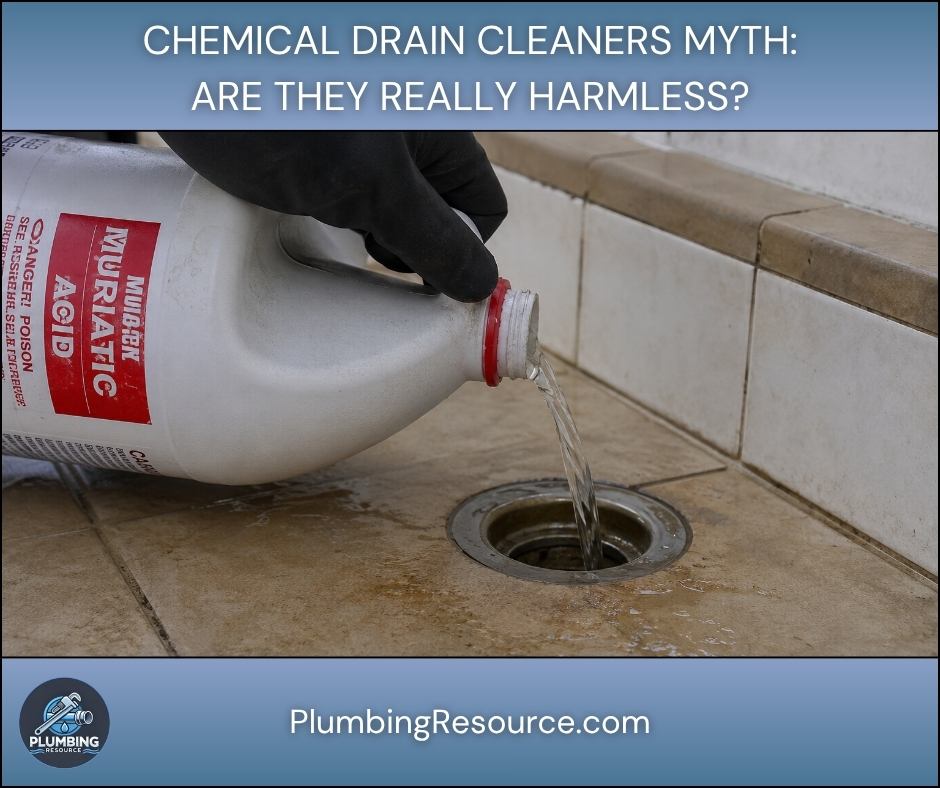
Chemical drain cleaners often provide limited results and can damage certain plumbing materials over time. Professional drain cleaning is generally a safer long-term solution.
How do plumbers clear slow drains?
Plumbers use specialized tools such as drain snakes, hydro jetting equipment, and sewer cameras to identify and remove obstructions.
Final Verdict
Myth or Fact?
MYTH
The Slow Drains Myth is false.
Slow drains rarely clear themselves. In most cases, the obstruction continues growing until the drain becomes fully blocked. Addressing a slow drain early can prevent larger plumbing problems, reduce repair costs, and protect your home from water damage.
If a drain is draining slowly today, it’s usually a warning sign—not a problem that’s solving itself.
Key Takeaways
- Slow drains usually worsen over time.
- Most drain restrictions continue collecting debris.
- Temporary improvement does not mean the clog is gone.
- Ignoring slow drains can lead to complete blockages.
- Sewer backups are a potential consequence.
- Early drain cleaning is typically less expensive.
- Professional equipment removes blockages more effectively.
- Prompt action helps prevent water damage and costly repairs.
Related Plumbing Myths
- Can Ice Sharpen Garbage Disposal Blades?
- Are Chemical Drain Cleaners Safe for Pipes?
- Does Hot Water Remove Grease From Drains?
- Can You Flush Paper Towels Down the Toilet?
- Does Baking Soda and Vinegar Permanently Unclog Drains?