A leaking kitchen sink can waste water, damage cabinets, and create mold problems. Fortunately, learning how to fix a kitchen sink leak can save money and prevent larger plumbing repairs. In many cases, the problem comes from a loose connection, worn seal, or damaged component that you can replace with basic tools.
🔍 Understanding the Project
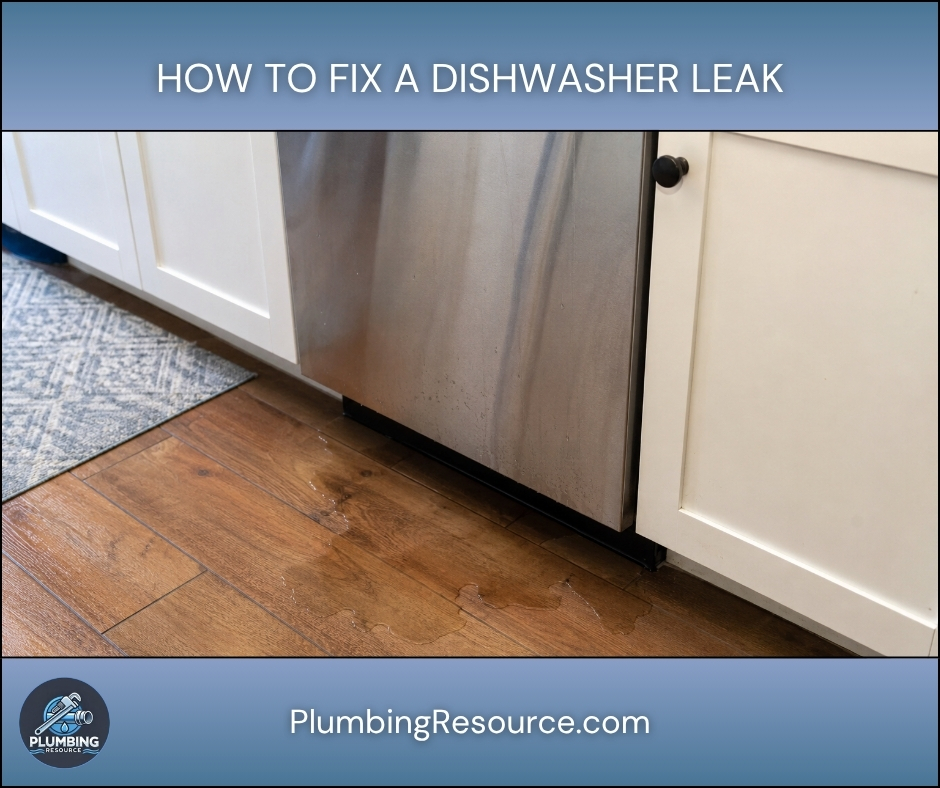
Kitchen sink leaks develop for several reasons. Over time, washers wear out, drain seals crack, and plumbing connections loosen. In addition, constant temperature changes cause expansion and contraction that stress fittings.
Common warning signs include:
- Water under the sink
- Damp cabinet floors
- Water stains
- Musty odors
- Dripping sounds after using the sink
Ignoring the problem can lead to wood rot, mold growth, and expensive water damage. Therefore, repairing the leak early protects both your plumbing and your home.
🧰 Tools & Materials
- Adjustable wrench
- Channel-lock pliers
- Bucket
- Flashlight
- Towels or rags
- Plumber’s putty
- Silicone sealant
- Pipe thread seal tape
- Replacement washers
- Replacement supply lines
- Replacement P-trap parts (if needed)
- Utility knife
- Screwdriver
- Sponge
🛠️ Step-By-Step Guide: How To Fix a Kitchen Sink Leak
1️⃣ Empty the Cabinet
Remove everything from under the sink. Then, place towels and a bucket underneath the plumbing to catch any water.
2️⃣ Dry All Plumbing Components
Wipe every pipe, fitting, and connection dry. A dry surface makes it easier to locate the source of the leak.
3️⃣ Turn On the Faucet
Run both hot and cold water. Next, watch the supply lines, shut-off valves, faucet connections, and drain assembly.
4️⃣ Identify the Leak Location
Look carefully for dripping water. The leak may come from:
- Faucet supply lines
- Shut-off valves
- Drain basket
- P-trap
- Slip joint connections
- Garbage disposal
- Sink basin seal
Finding the exact source prevents unnecessary repairs.
5️⃣ Tighten Loose Connections
Use pliers or a wrench to snug loose fittings. However, avoid overtightening because plastic fittings can crack.
6️⃣ Replace Damaged Washers or Gaskets
If tightening does not stop the leak, remove the fitting and install a new washer or gasket. Worn seals often cause slow drips.
7️⃣ Repair the Sink Drain Assembly
If water leaks around the drain basket, remove the drain flange. Then, clean the old sealant and apply fresh plumber’s putty before reinstalling it.
8️⃣ Replace Faulty Supply Lines
Flexible supply lines wear out over time. If you notice corrosion or bulges, install new supply lines.
9️⃣ Inspect the P-Trap
Check the P-trap for cracks or damaged slip-joint washers. Replace any defective parts before reassembling the drain.
1️⃣0️⃣ Check the Garbage Disposal
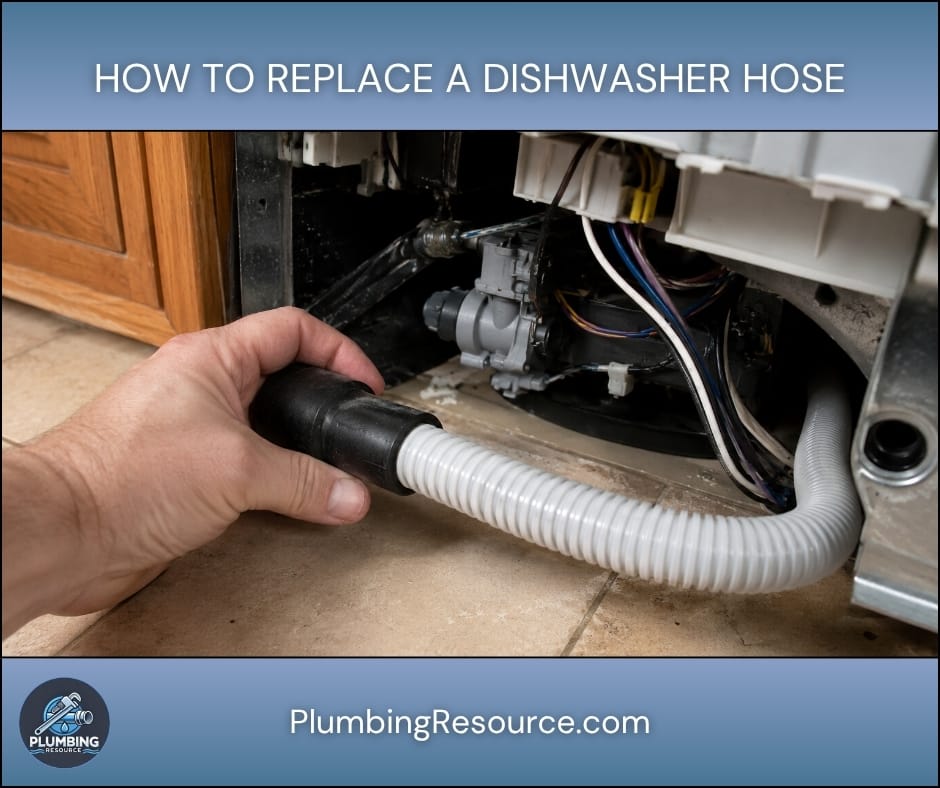
If your sink has a garbage disposal, inspect the mounting ring, dishwasher hose, and discharge pipe for leaks.
1️⃣1️⃣ Test the Repair
Turn the water back on and run the faucet. Then, fill and drain the sink several times while checking for leaks.
1️⃣2️⃣ Clean Up and Monitor
Dry the area completely. Finally, inspect the cabinet again after several hours to confirm the leak is gone.
⚠️ Common Mistakes
- Tightening fittings too much
- Using old washers during reassembly
- Forgetting to clean sealing surfaces
- Applying too much plumber’s putty
- Ignoring small drips
- Replacing parts without finding the actual leak
💡 Pro Tips
- Place a dry paper towel under fittings to detect tiny leaks.
- Replace old supply lines during major sink repairs.
- Take pictures before disassembly.
- Keep spare slip-joint washers on hand.
- Check for hidden leaks after every repair.
🔧 Troubleshooting
The leak continues after tightening connections.
Replace the washer or gasket because it may be worn out.
Water leaks only while draining.
Inspect the drain basket, P-trap, and drain pipes.
The faucet leaks underneath the sink.
Check the faucet body and supply line connections.
The cabinet still gets wet.
Dry everything completely and repeat the inspection to find hidden leaks.
👨🏻🔧 When to Call a Professional
Call a licensed plumber if:
- Pipes are cracked inside the wall.
- The leak caused major water damage.
- You cannot identify the source.
- The sink plumbing requires replacement.
- The leak involves a garbage disposal motor.
- Corrosion has damaged multiple components.
❓ FAQ
How do I know where a kitchen sink leak is coming from?
Dry the plumbing and run water while watching each connection carefully.
Can I fix a kitchen sink leak without replacing parts?
Sometimes. Loose fittings may only need tightening. However, damaged seals require replacement.
What is the most common kitchen sink leak repair?
Replacing worn washers, drain seals, or slip-joint gaskets solves many leaks.
Why does my kitchen sink leak only when draining?
The drain assembly, P-trap, or drain piping likely has a faulty seal.
Should I use plumber’s putty or silicone?
Most sink drains use plumber’s putty. However, always follow the manufacturer’s instructions.
✅ Conclusion
Learning how to fix a kitchen sink leak helps protect your home from water damage and unnecessary repair costs. By locating the source and repairing it early, you can restore your sink and prevent future problems.
👋🏼 Before You Go…
If this guide helped you, save it for future reference and share it with someone who may be dealing with a leaking sink. A simple repair today can prevent a major plumbing problem tomorrow.