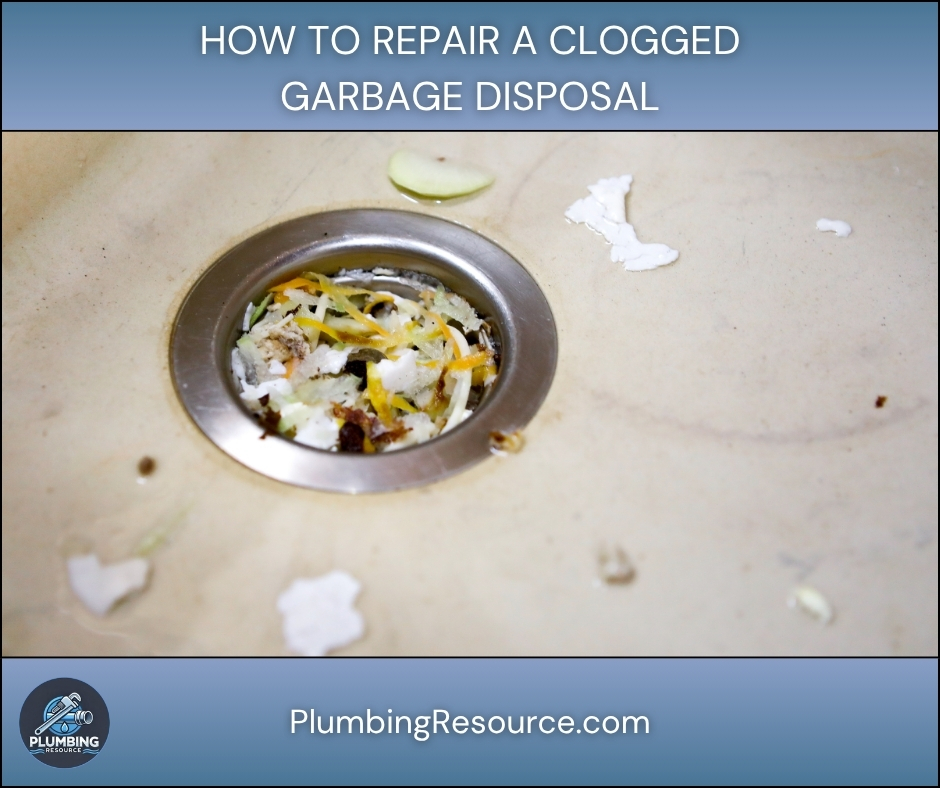
A clogged kitchen sink can bring meal prep and cleanup to a stop. Fortunately, How To Repair a Clogged Garbage Disposal is a project many homeowners can handle with basic tools and a little patience. In many cases, the blockage comes from food buildup, grease, fibrous vegetables, or foreign objects. Therefore, understanding the cause can help you fix the problem and prevent it from happening again.
🔍 Understanding the Project
A garbage disposal breaks food waste into small pieces so it can move through the drain system. However, it is not designed to handle every type of waste.
Common causes of clogs include:
- Grease and cooking oils
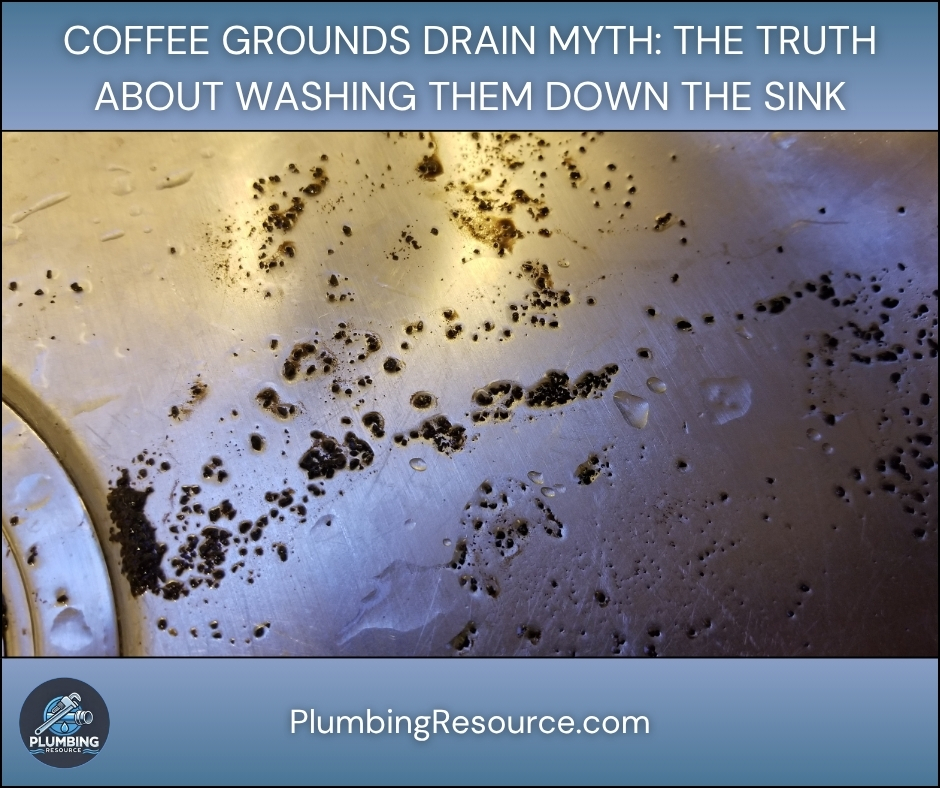
- Coffee grounds
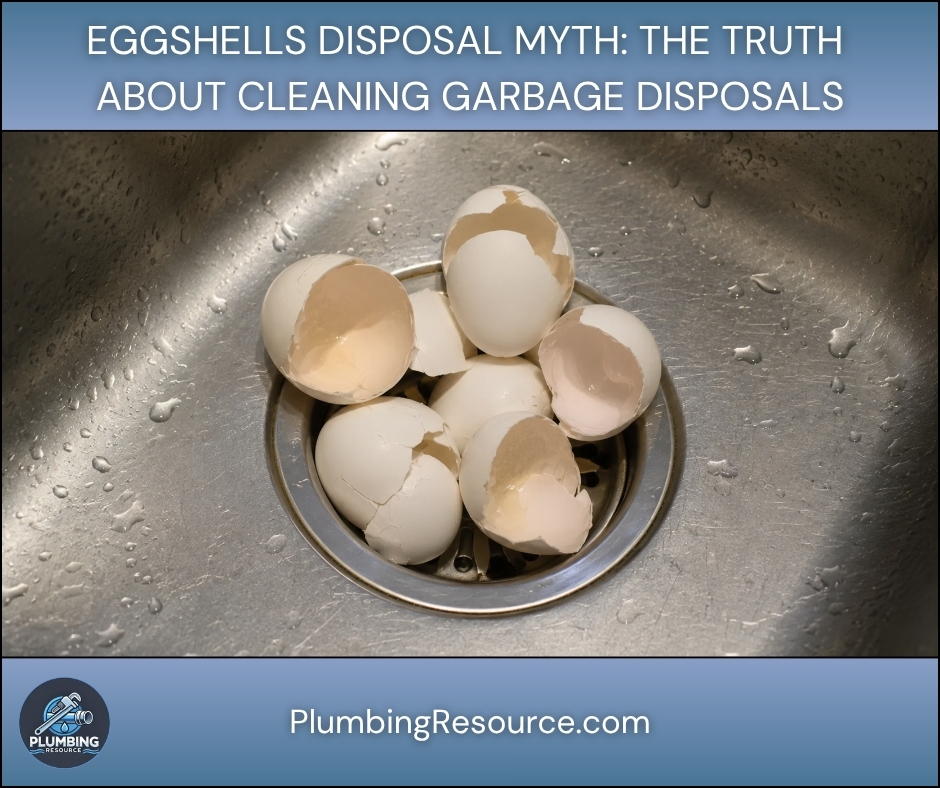
- Eggshells
- Fibrous vegetables like celery
- Potato peels
- Large amounts of rice or pasta
- Bones
- Silverware or foreign objects
Warning signs of a clogged disposal include:
- Standing water in the sink
- Slow drainage
- Humming without spinning
- Bad odors
- Water backing up into the other sink basin
If you ignore these signs, the clog can become worse. In addition, the motor may overheat or fail completely.
🧰 Tools & Materials
- Flashlight
- Bucket
- Channel lock pliers
- Adjustable wrench
- Garbage disposal wrench or Allen wrench
- Screwdriver
- Towels
- Rubber gloves
- Small brush
- Sink plunger
- Drain snake (optional)
- Baking soda
- White vinegar
- Hot water
🛠️ Step-By-Step Guide: How To Repair a Clogged Garbage Disposal
1️⃣ Turn Off the Power
Disconnect the disposal from power. If it is hardwired, switch off the breaker. Never work on a disposal while electricity is connected.
2️⃣ Remove Standing Water
Use a cup or small container to scoop out excess water. Then, place a bucket under the drain trap.
3️⃣ Inspect the Disposal Chamber
Use a flashlight to look inside the disposal. Remove visible debris with pliers or tongs. Never put your hand inside the unit.
4️⃣ Check for a Jam
Insert the disposal wrench into the bottom of the unit. Next, rotate it back and forth until the flywheel turns freely.
5️⃣ Press the Reset Button
Locate the red reset button underneath the disposal. If it has popped out, press it firmly.
6️⃣ Clean the Drain Opening
Remove food buildup around the splash guard and inside the grinding chamber. A small brush works well for this step.
7️⃣ Remove and Clean the P-Trap
Place the bucket underneath the trap. Then, loosen the fittings and remove the trap. Clean out any trapped debris before reinstalling it.
8️⃣ Plunge the Sink
Fill the sink with a few inches of water. Next, use a sink plunger to loosen the blockage.
9️⃣ Flush the Drain
Pour baking soda into the disposal followed by vinegar. Wait several minutes and then flush with hot water.
1️⃣0️⃣ Test the Disposal
Restore power and run cold water. Turn the disposal on and let it run for about 30 seconds.
1️⃣1️⃣ Snake the Drain if Necessary
If the sink still drains slowly, use a drain snake to remove deeper obstructions.
1️⃣2️⃣ Verify Normal Operation
Run water again and confirm the disposal drains freely without unusual noises or leaks.
⚠️ Common Mistakes
- Putting your hand inside the disposal
- Forgetting to disconnect power
- Pouring grease into the sink
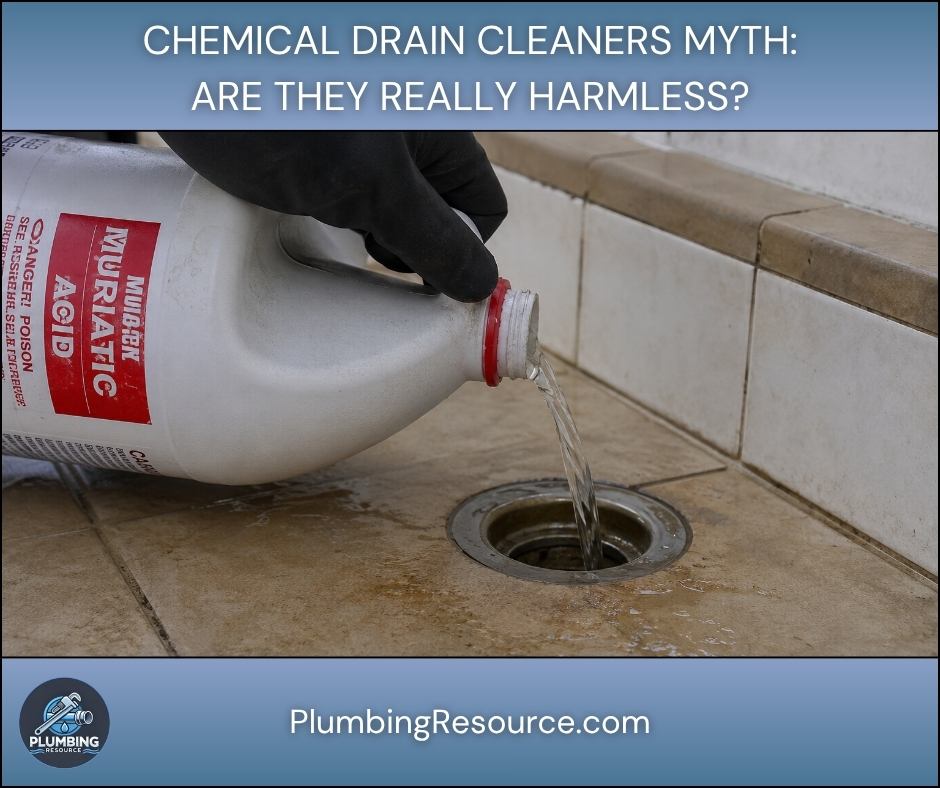
- Using harsh chemical drain cleaners
- Grinding large bones
- Overloading the disposal
- Running the disposal without water
- Ignoring strange noises
💡 Pro Tips
- Always run cold water during operation.
- Let water run for several seconds after grinding stops.
- Cut large food scraps into smaller pieces.
- Clean the disposal weekly.
- Grind small amounts of ice to help remove buildup.
- Use citrus peels occasionally for fresh smells, but do not rely on them as a cleaner.
🔧 Troubleshooting
The Disposal Hums but Will Not Spin
The flywheel is likely jammed. Turn off power and use the disposal wrench.
The Disposal Will Not Turn On
Check the reset button and breaker. Also, confirm the outlet has power.
Water Backs Up Into Both Sink Basins
The drain line or P-trap may be clogged.
The Disposal Leaks
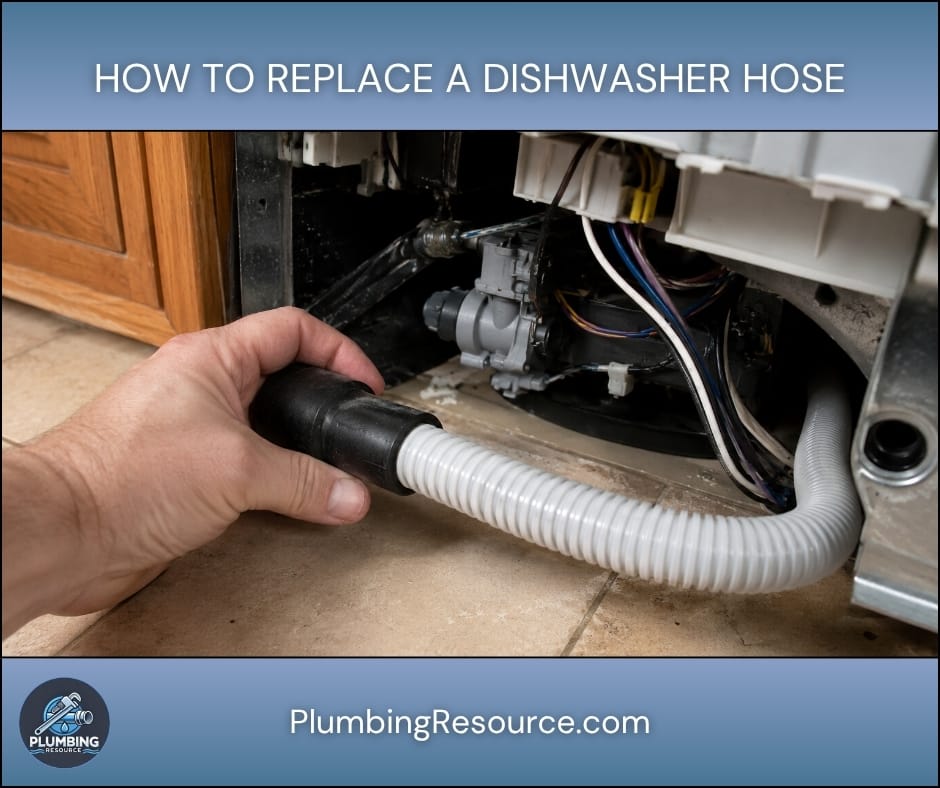
Inspect the sink flange, dishwasher connection, and drain fittings.
Bad Odors Continue
Clean the splash guard and grinding chamber thoroughly.
👨🏻🔧 When to Call a Professional
Call a plumber if:
- The disposal leaks from the housing.
- The motor will not operate after resetting.
- The clog cannot be removed.
- Water backs up repeatedly.
- The drain line requires advanced cleaning.
- The disposal has internal damage.
Professional service can prevent additional plumbing problems and help determine whether replacement is the better option.
❓ FAQ
How do you repair a clogged garbage disposal?
Turn off the power, remove obstructions, free the flywheel, clean the drain, and test the unit.
Can a clogged garbage disposal fix itself?
No. Minor blockages may loosen over time, but most require manual cleaning.
Why is my garbage disposal humming but not draining?
A jammed flywheel or clogged drain line is usually the cause.
Can I use chemical drain cleaner in a garbage disposal?
No. Harsh chemicals can damage disposal components and drain piping.
What should never go into a garbage disposal?
Grease, coffee grounds, bones, fibrous vegetables, eggshells, rice, pasta, and large food scraps should be avoided.
How often should I clean my garbage disposal?
A light cleaning every week and a deeper cleaning every month helps prevent clogs.
✅ Conclusion
Learning How To Repair a Clogged Garbage Disposal can save time and money. In many cases, simple cleaning and basic troubleshooting will restore normal operation. However, regular maintenance is just as important because it helps prevent future blockages and extends the life of the unit.
👋🏼 Before You Go…
If this guide helped you, save it for future reference and share it with someone dealing with a slow or clogged kitchen sink. A little preventive maintenance today can help you avoid a costly plumbing repair tomorrow.