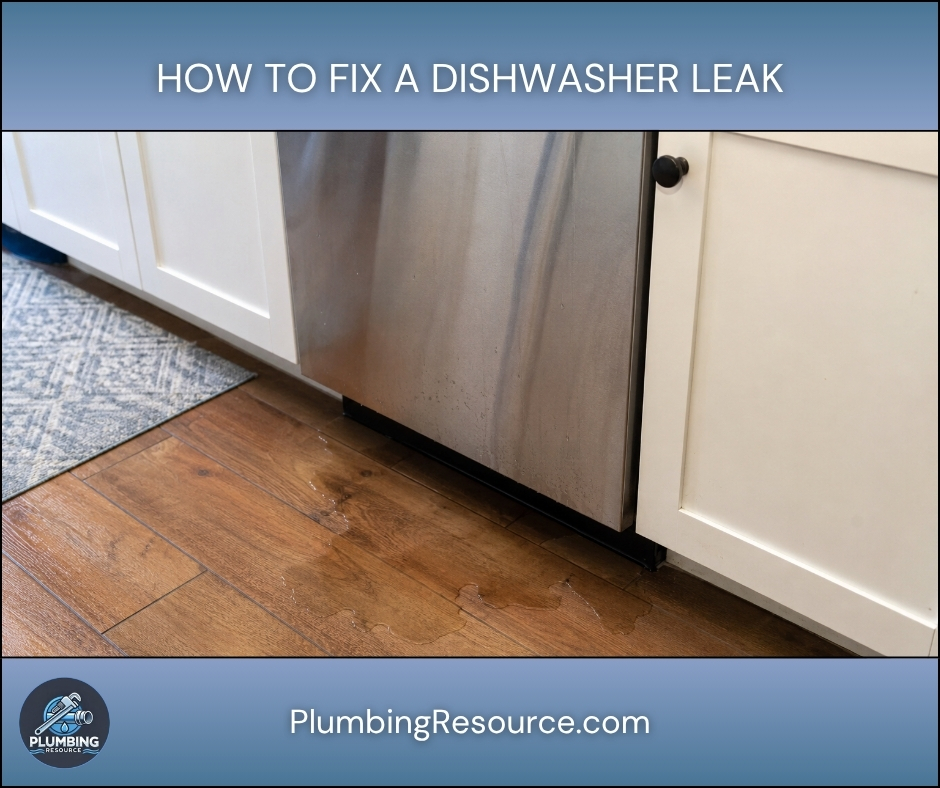
If your dishwasher is leaking or not draining as it should, learning how to replace a dishwasher hose can save you time and money. A damaged hose can lead to water damage, mold growth, and poor appliance performance. Fortunately, with the right tools and a careful approach, this project is manageable for many homeowners.
🔍 Understanding the Project
Dishwasher hoses do not last forever. Over time, rubber and plastic components can crack, wear out, or become clogged. In addition, loose connections may cause slow leaks that go unnoticed until damage occurs.
Common signs that replacement is needed include:
- Water pooling under the dishwasher
- Visible cracks or bulges in the hose
- Persistent leaks during wash cycles
- Poor draining performance
- Water damage around nearby cabinets
Replacing an old hose helps prevent expensive repairs. Furthermore, installing a new hose can improve the reliability of your dishwasher and reduce the risk of unexpected failures.
🧰 Tools & Materials
- Adjustable wrench
- Screwdriver set
- Pliers
- Bucket or shallow pan
- Towels or rags
- Flashlight
- Replacement dishwasher hose
- Hose clamps
- Teflon tape (if required)
- Work gloves
🛠️ Step-By-Step Guide: How To Replace a Dishwasher Hose
1️⃣ Turn Off the Power
Switch off the dishwasher at the circuit breaker. Then, verify that the appliance has no electrical power before working on it.
2️⃣ Shut Off the Water Supply
Locate the water shut-off valve under the sink and close it completely. This step prevents accidental flooding.
3️⃣ Disconnect the Dishwasher
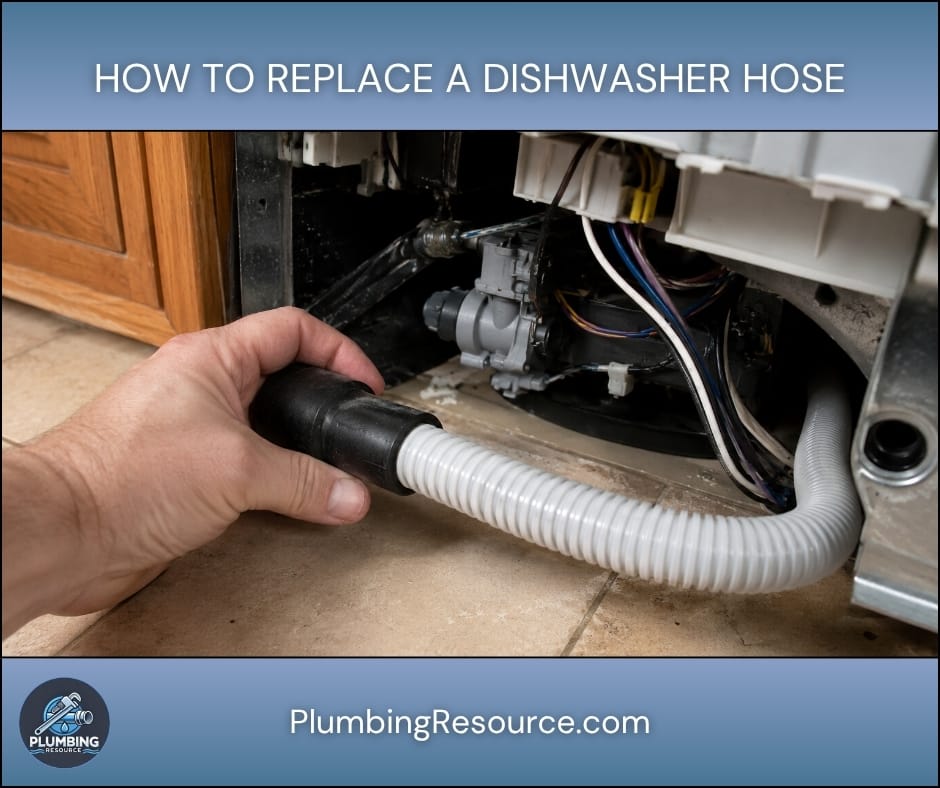
Remove the lower access panel. Next, carefully slide the dishwasher out to gain access to the hose connections.
4️⃣ Place a Bucket Under the Connections
Position a bucket or pan beneath the hose fittings because some water will drain out when the hose is removed.
5️⃣ Remove the Old Hose
Use pliers or a screwdriver to loosen the hose clamps. Then, disconnect the hose from both ends.
6️⃣ Inspect the Connection Points
Check the fittings for corrosion, debris, or damage. Also, clean the connection surfaces before installing the new hose.
7️⃣ Install the New Hose
Attach the replacement hose to both connection points. Make sure it follows the same routing path as the old hose.
8️⃣ Secure the Hose Clamps
Tighten all clamps firmly. However, avoid over-tightening because this can damage the hose.
9️⃣ Reconnect the Dishwasher
Carefully slide the dishwasher back into place. Then, reinstall any mounting screws or access panels.
1️⃣0️⃣ Restore Water and Power
Turn the water supply back on. After that, restore electrical power at the breaker.
1️⃣1️⃣ Test for Leaks
Run a short dishwasher cycle while watching the hose connections. If you notice any leaks, tighten the fittings as needed.
⚠️ Common Mistakes
- Forgetting to turn off the power
- Leaving the water supply on
- Installing the wrong hose size
- Kinking the new hose
- Reusing damaged hose clamps
- Over-tightening fittings
- Failing to test for leaks
💡 Pro Tips
- Take a picture of the old hose routing before removal.
- Replace worn hose clamps during the project.
- Keep a towel nearby to catch unexpected spills.
- Check nearby plumbing connections while the dishwasher is pulled out.
- Buy a high-quality replacement hose for longer service life.
🔧 Troubleshooting
The dishwasher still leaks.
Check all hose clamps and verify that the connections are fully seated.
The dishwasher does not drain.
Inspect the hose for kinks or blockages.
Water flow seems restricted.
Make sure the hose is not twisted behind the dishwasher.
The replacement hose will not fit.
Confirm that the new hose matches your dishwasher model.
👨🏻🔧 When to Call a Professional
You should contact a plumber or appliance technician if:
- The shut-off valve does not work.
- Plumbing connections are corroded.
- You discover water damage behind the cabinets.
- The dishwasher still leaks after replacing the hose.
- Electrical wiring appears damaged.
Professional help can prevent further damage and ensure the repair meets local plumbing standards.
❓ FAQ
How long does it take to replace a dishwasher hose?
Most homeowners can complete the project in about one to two hours.
How do I know if I need to replace a dishwasher hose?
Leaks, cracks, bulges, and drainage problems are common warning signs.
Can I replace a dishwasher hose myself?
Yes. If you have basic tools and follow the proper steps, many dishwasher hose replacements are DIY-friendly.
Should I replace both dishwasher hoses at the same time?
If both hoses are old or worn, replacing them together can reduce future maintenance.
What causes a dishwasher hose to fail?
Age, heat, vibration, improper installation, and normal wear are the most common causes.
✅ Conclusion
Knowing how to replace a dishwasher hose can help you prevent leaks and protect your home from water damage. By following these steps and checking your work carefully, you can restore your dishwasher to reliable operation.
👋🏼 Before You Go…
If you found this guide helpful, save this page for future reference and share it with someone who might need it. Regular plumbing maintenance can prevent costly repairs and keep your home running smoothly.