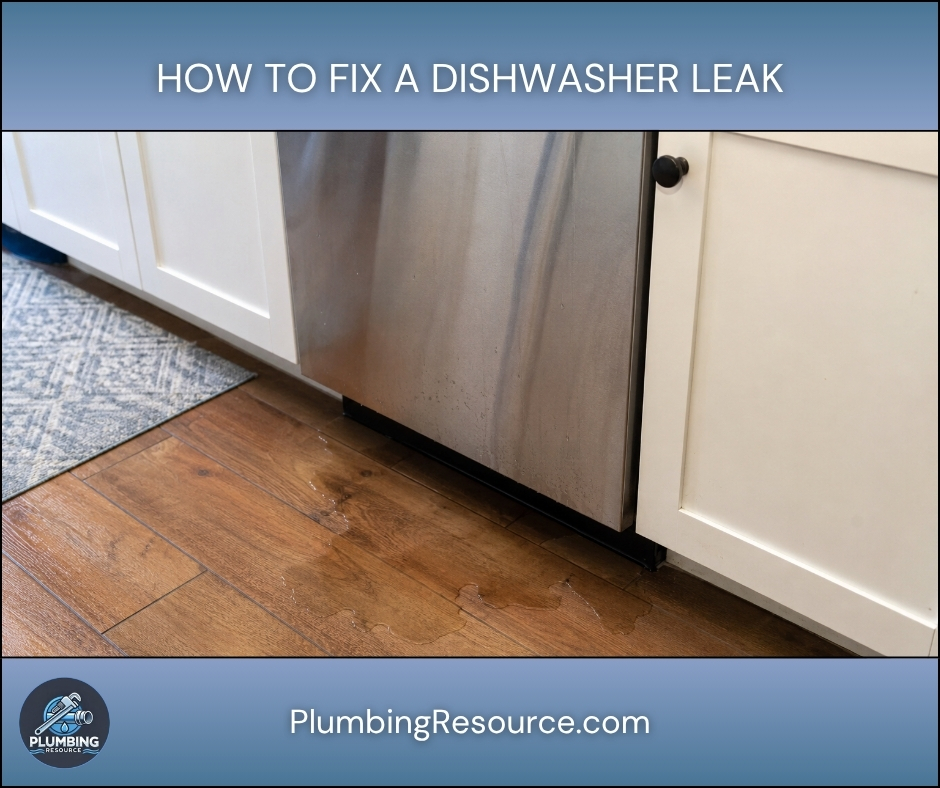
A leaking dishwasher can cause water damage, warped flooring, mold growth, and costly repairs. Fortunately, learning how to fix a dishwasher leak starts with identifying where the water is coming from and addressing the underlying cause. In many cases, homeowners can solve the problem without replacing the entire appliance.
Whether you notice water pooling beneath the unit or dripping from the door, this guide will walk you through the most common causes and solutions.
🔍 Understanding the Project
Before you begin, it helps to understand why dishwasher leaks happen.
Dishwashers use multiple seals, hoses, valves, and pumps to move water during wash cycles. Over time, these components can wear out, loosen, crack, or become clogged.
Common warning signs include:
- Water pooling under the dishwasher
- Water leaking from the door
- Damp flooring near the appliance
- Musty odors around the dishwasher
- Water stains on cabinets or flooring
If ignored, a dishwasher leak can damage flooring, cabinets, subfloors, and nearby walls. Therefore, addressing the problem early can prevent more expensive repairs later.
🧰 Tools & Materials
- Adjustable wrench
- Phillips & flathead screwdriver
- Flashlight
- Towels or rags
- Bucket
- Replacement door gasket (if needed)
- Replacement hose clamps (if needed)
- Replacement water supply line (if needed)
- Work gloves
- Sponge
🛠️ Step-By-Step Guide: How To Fix a Dishwasher Leak
1️⃣ Turn Off Power and Water
First, switch off power at the breaker panel.
Next, shut off the dishwasher water supply valve under the sink. This step prevents electrical hazards and water damage while you inspect the appliance.
2️⃣ Dry the Area
Use towels to remove standing water.
A dry work area makes it easier to identify the source of the leak during inspection.
3️⃣ Inspect the Door Gasket
Open the dishwasher and examine the rubber gasket around the door.
Look for:
- Cracks
- Tears
- Flattened sections
- Food buildup
If the gasket is damaged, replace it according to the manufacturer’s instructions.
4️⃣ Clean the Door Seal
Sometimes the gasket is not damaged but simply dirty.
Wipe the seal with warm water and mild soap. Then remove any grease, food debris, or mineral buildup that may prevent a proper seal.
5️⃣ Check the Dishwasher Door Latch
Close and latch the door.
If the door does not close securely, water can escape during the wash cycle. Tighten loose screws or replace a damaged latch assembly if necessary.
6️⃣ Inspect the Spray Arms
Remove the lower rack and examine the spray arms.
Clogged spray holes can redirect water toward the door. Therefore, clean any debris from the spray arm openings.
7️⃣ Examine the Water Supply Line
Look underneath the sink and behind the dishwasher.
Check the supply line for:
- Loose fittings
- Corrosion
- Cracks
- Drips
Tighten connections carefully. If the line shows damage, replace it.
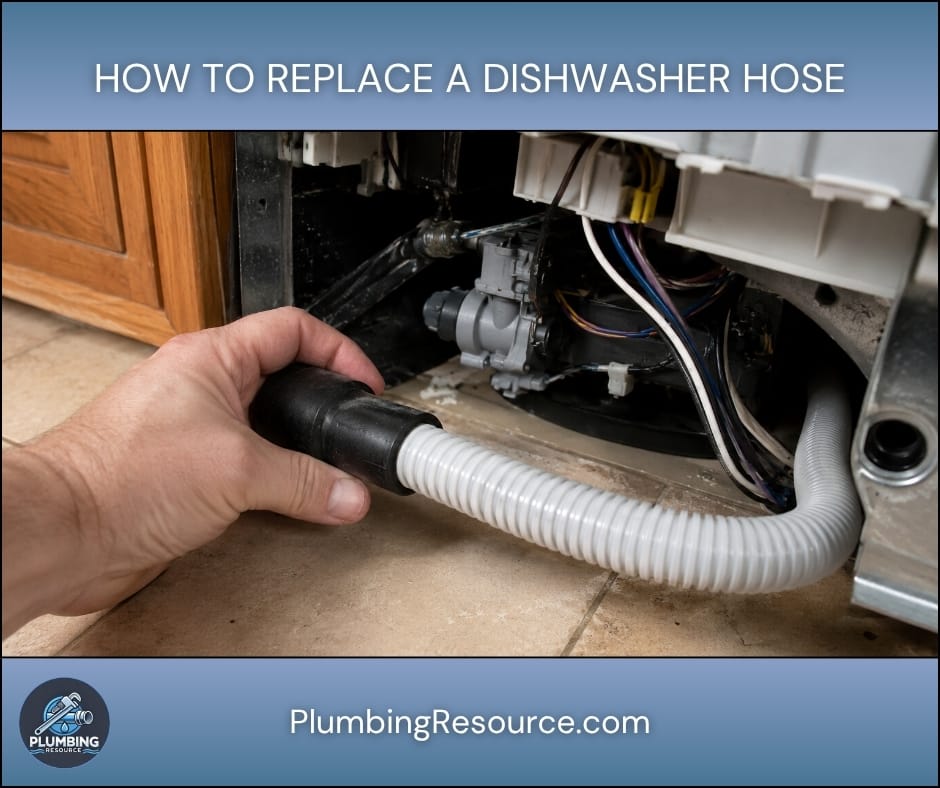
8️⃣ Inspect the Drain Hose
Locate the dishwasher drain hose.
Look for:
- Cracks
- Kinks
- Loose clamps
- Improper routing
Replace damaged hoses and tighten loose clamps.
9️⃣ Check the Float Switch
Most dishwashers use a float to regulate water levels.
Move the float up and down. It should move freely without sticking. If it becomes stuck, the dishwasher may overfill and leak.
1️⃣0️⃣ Inspect the Pump and Motor Area
Remove the lower access panel.
Using a flashlight, inspect the pump housing and motor assembly for signs of leakage.
Look for:
- Water stains
- Mineral deposits
- Active drips
If the pump seal is leaking, replacement parts may be required.
1️⃣1️⃣ Run a Test Cycle
Restore power and water.
Then run a short cycle while observing the dishwasher closely.
Watch the:
- Door seal
- Supply connections
- Drain hose
- Pump area
This step helps confirm that the leak has been resolved.
⚠️ Common Mistakes
- Ignoring small leaks until major damage occurs
- Replacing parts without identifying the actual source
- Overtightening hose fittings
- Using damaged door gaskets
- Forgetting to turn off power before repairs
- Running the dishwasher while components are removed
💡 Pro Tips
- Inspect dishwasher hoses annually.
- Clean the door gasket monthly.
- Avoid overloading dishes near the door.
- Use dishwasher-safe detergent only.
- Check under the appliance periodically for moisture.
- Replace aging supply lines before they fail.
🔧 Troubleshooting
Dishwasher Leaks From the Front Door
The door gasket may be dirty, worn, or damaged. Additionally, clogged spray arms can force water toward the door.
Dishwasher Leaks Underneath
Check the pump housing, drain hose, and water supply line for leaks.
Dishwasher Overfills
Inspect the float switch for obstructions. A stuck float often causes overfilling.
Dishwasher Leaks Only During Drain Cycle
The drain hose may have a crack or loose connection. Therefore, inspect all drain components carefully.
Dishwasher Leaks After Every Wash
Look for worn seals, damaged hoses, or loose fittings that leak under pressure.
👨🏻🔧 When to Call a Professional
While many homeowners can learn how to fix a dishwasher leak, some situations require professional help.
Consider calling a plumber or appliance technician if:
- The pump seal has failed
- Internal components require disassembly
- Electrical wiring is damaged
- Water has caused structural damage
- The leak source cannot be identified
Professional diagnosis can prevent unnecessary part replacements and additional damage.
❓ FAQ
Why is my dishwasher leaking water onto the floor?
The most common causes include a damaged door gasket, loose hose connections, clogged spray arms, or a leaking pump.
Can I still use a leaking dishwasher?
No. Continuing to operate a leaking dishwasher can damage flooring, cabinets, and subfloors.
How much does it cost to fix a dishwasher leak?
Costs vary depending on the cause. Minor repairs may only require a gasket or hose replacement, while pump repairs can cost more.
How do I know if the dishwasher door seal is bad?
Look for cracks, tears, flattened areas, or visible gaps around the gasket.
Is a leaking dishwasher a plumbing problem?
Sometimes. A dishwasher leak can result from plumbing connections, drain hoses, supply lines, or appliance components.
✅ Conclusion
Knowing how to fix a dishwasher leak can help you prevent water damage and extend the life of your appliance. Start by identifying the leak source, then inspect common problem areas such as the door gasket, supply line, drain hose, float switch, and pump assembly. In many cases, a simple repair can restore normal operation and stop the leak.
👋🏼 Before You Go…
If you found this guide helpful, save it for future reference and share it with friends or family members dealing with dishwasher problems. A small leak today can become a major repair tomorrow, so addressing it early is always worth the effort.