If you need to know how to unclog a kitchen sink, you are not alone. Kitchen sink clogs are one of the most common plumbing problems homeowners face. Fortunately, you can often fix the issue yourself using a few simple tools and the right step-by-step process.
A clogged kitchen sink can slow down your daily routine. However, the good news is that many blockages are easy to remove without calling a plumber. This guide explains exactly how to unclog a kitchen sink safely and effectively.
🔍 Understanding the Project
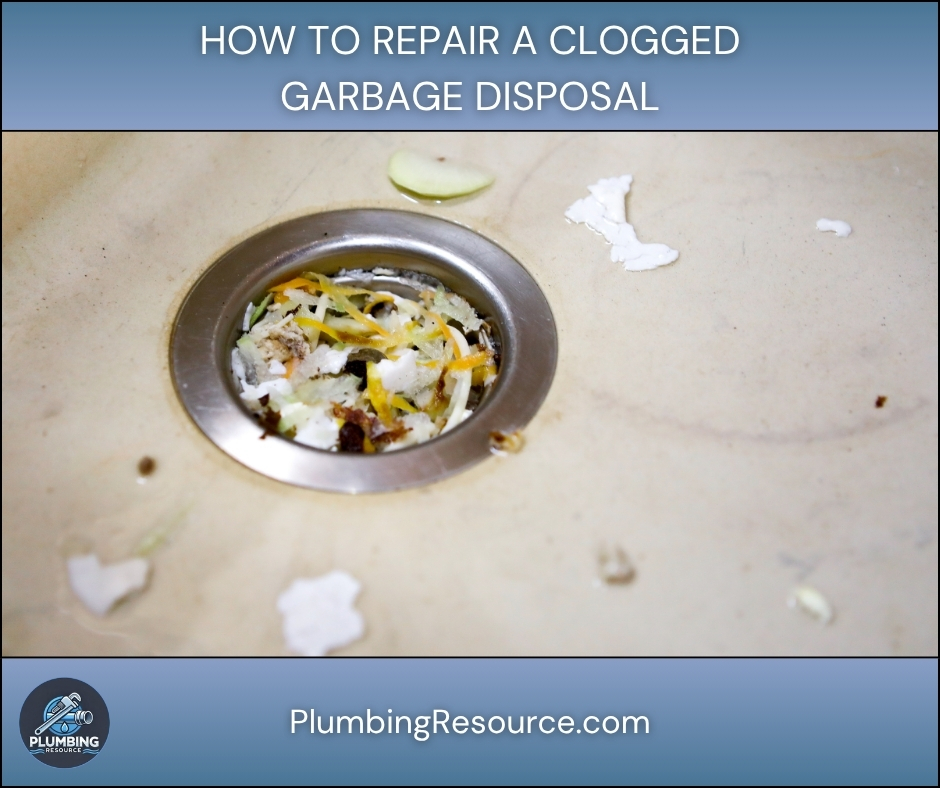
Kitchen sinks clog because grease, food particles, soap residue, and debris build up inside the drain pipe over time. In many homes, grease hardens along the pipe walls. Then, food scraps stick to the grease and create a blockage.
You may notice several warning signs before the sink fully clogs. For example, the sink may drain slowly, make gurgling noises, or produce unpleasant odors. In addition, water may back up into the other side of a double-bowl sink.
Ignoring the problem can lead to bigger plumbing issues. A severe clog can eventually cause leaks, pipe damage, or wastewater backups. Therefore, it is important to fix the problem early before the blockage becomes more difficult to remove.
Learning how to unclog a kitchen sink can also help you avoid unnecessary service calls. Moreover, regular drain maintenance can improve drainage and extend the life of your plumbing system.
🧰 Tools & Materials
Before you start, you should gather the right tools. This will ensure you can handle any level of clog.
🪠 Basic Tools (Start Here)
- Plunger – Creates pressure to dislodge clogs
- Dish soap – Breaks down grease buildup
- Boiling water – Helps dissolve fats and debris
👉🏼 These tools are ideal for minor clogs and should always be your first step.
🔧 Intermediate Tools (For Stubborn Clogs)
- Drain snake (hand auger) – Reaches deeper blockages
- Baking soda and vinegar – Loosens buildup naturally
👉🏼 These tools work best when the clog is deeper in the pipe.
Advanced Tools (Professional-Level)
- Adjustable wrench or channel locks – Removes the P-trap
- Bucket and gloves – For safe cleanup
👉🏼 These tools are necessary when the clog is trapped under the sink.
🛠️ Step-by-Step Guide: How to Unclog a Kitchen Sink
1️⃣ Start With Boiling Water

First, boiling water is the simplest and fastest solution.
- Bring a pot of water to a rolling boil
- Slowly pour it down the drain in stages
👉🏼 This works best for grease clogs because heat breaks down buildup.
2️⃣ Use Dish Soap + Hot Water
If boiling water alone doesn’t work, then add grease-cutting power.
- Squirt dish soap into the drain
- Follow with hot or boiling water
👉🏼 This method is highly effective for kitchen-specific clogs.
3️⃣ Try Baking Soda and Vinegar

Next, use a natural cleaning reaction.
- Pour 1 cup baking soda into the drain
- Add 1 cup vinegar
- Let it sit for 10–15 minutes
- Flush with hot water
👉🏼 Although this won’t remove solid blockages, it helps loosen buildup.
4️⃣ Use a Plunger (Correctly)

Now, if the clog remains, use a plunger.
- Fill the sink with enough water to cover the plunger
- Seal the drain and plunge firmly
- Pump several times, then release
👉🏼 For double sinks, block the second drain for better pressure.
5️⃣ Clean the P-Trap

If plunging fails, then the clog may be in the trap.
- Place a bucket under the sink
- Remove the P-trap
- Clean out debris manually
- Reinstall and test
👉🏼 This step often solves stubborn clogs quickly.
6️⃣ Use a Drain Snake

Finally, if the clog is deeper, use a drain snake.
- Insert the snake into the drain
- Rotate and push forward
- Pull out debris
👉🏼 This is one of the most effective DIY methods.
⚠️ Common Mistakes
Although it’s tempting to try anything, some actions make things worse.
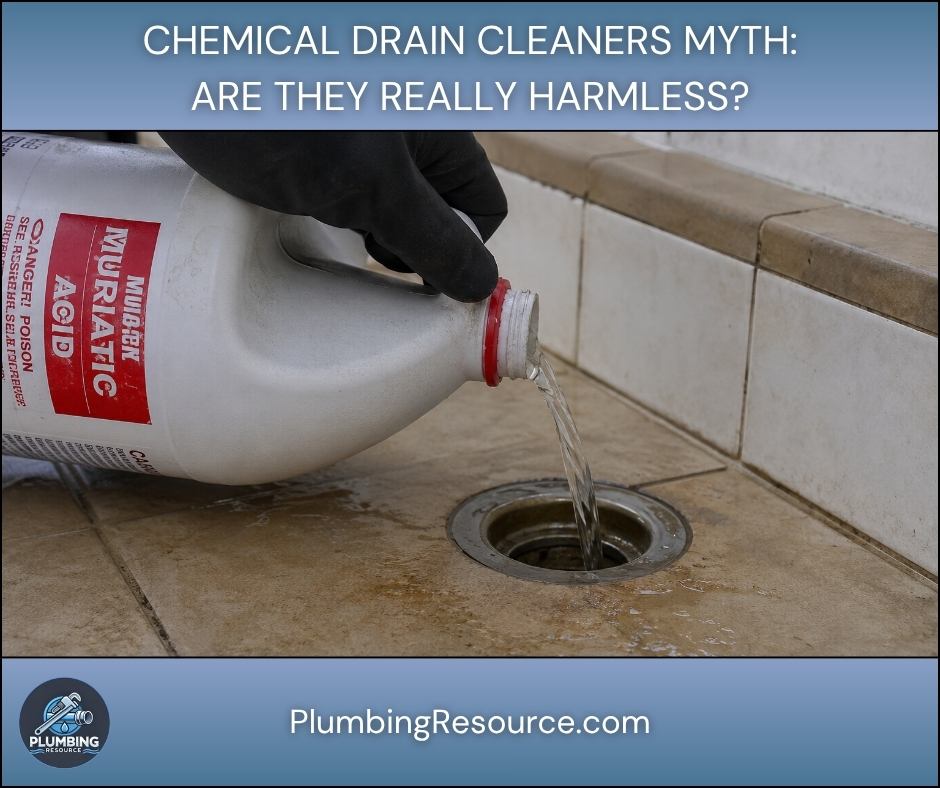
- Using chemical drain cleaners – These can damage pipes
- Pouring grease down the drain – Even after clearing it
- Over-plunging aggressively – This can loosen fittings
- Ignoring slow drains – Small clogs become major blockages
👉🏼 Therefore, always use safe, controlled methods first.
💡Pro Tips
- Always start with the least aggressive method
- Use hot water regularly to prevent buildup
- Install a drain strainer to catch debris
- Clean your drain monthly using natural methods
👉🏼 These habits will significantly reduce future clogs.
🔧 Troubleshooting
The Sink Still Drains Slowly
The blockage may be farther down the drain line. Therefore, you may need a longer drain snake or professional hydro jetting.
Water Backs Up Into the Other Sink
This usually indicates a blockage in the shared drain line. In many cases, plunging both sides or snaking the drain resolves the issue.
The Garbage Disposal Hums But Does Not Spin
The disposal may be jammed internally. Turn off power before attempting to free the jam manually.
Bad Odors Continue After Clearing the Clog
Food debris or grease may still be trapped in the pipe walls. Therefore, repeat the baking soda and vinegar treatment and flush with hot water.
👨🏻🔧 When to Call a Professional
Although most clogs are DIY-friendly, some require professional help.
Call a plumber if:
- Water backs up repeatedly
- Multiple fixtures are clogged
- You smell sewage odors
- The clog won’t clear after all steps
👉🏼 These signs may indicate a deeper plumbing issue.
❓ FAQ
How do I unclog a kitchen sink with standing water?
First, remove as much water as possible. Then use a plunger or snake for best results.
What is the fastest way to unclog a kitchen sink?
Boiling water combined with dish soap is usually the quickest fix.
Can baking soda and vinegar damage pipes?
No, this method is safe and commonly recommended for maintenance.
Why does my kitchen sink keep clogging?
Recurring clogs usually indicate grease buildup or a deeper blockage in the line.
✅ Conclusion
Now that you know how to unclog a kitchen sink, you can handle most drain issues quickly and safely. More importantly, when you follow these step-by-step methods, you avoid unnecessary damage and costly repairs.
👋🏼 Before You Go…
If this guide helped you fix your sink, then save it for future reference. Also, share it with someone dealing with a clogged drain.
And if you want more expert plumbing tips, check out more guides on your site to stay ahead of costly problems.