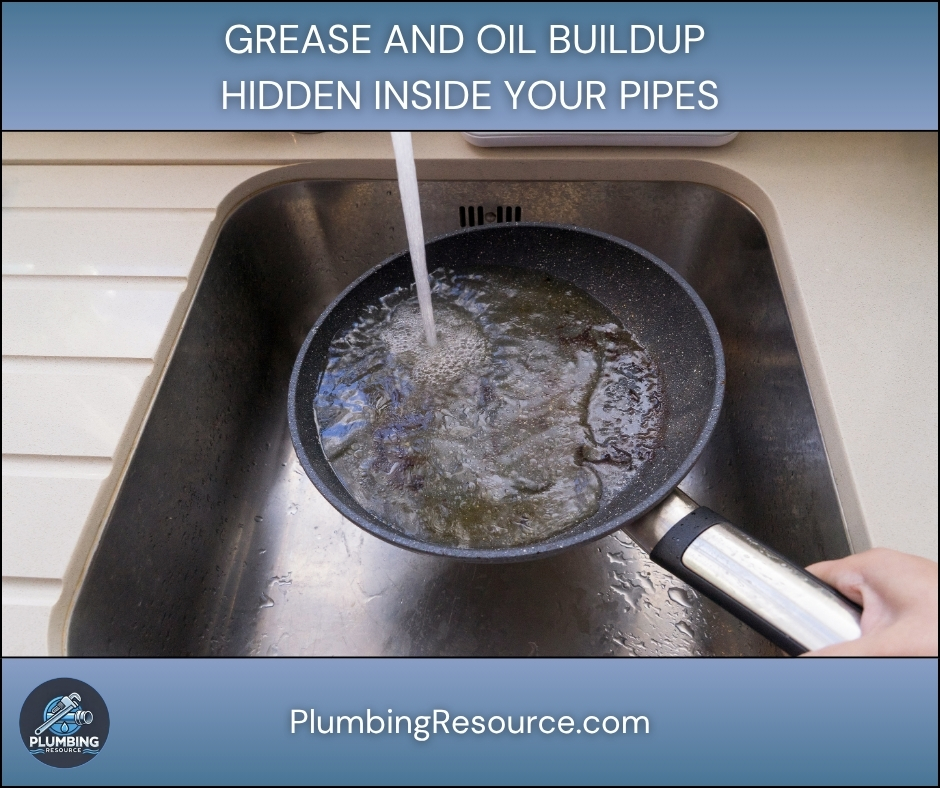
You finish cooking breakfast and pour leftover bacon grease into the kitchen sink. Then, you run hot water because it seems like the grease disappears instantly.
At first, everything drains normally. However, weeks later, the kitchen sink begins draining slowly. Soon afterward, strange odors develop near the fixture, and wastewater starts backing up unexpectedly.
Grease and oil buildup hidden inside your pipes often develops quietly over time. Unfortunately, many homeowners do not realize the problem exists until the plumbing system becomes heavily restricted.
❌ Why Homeowners Make This Mistake
Many people assume grease only becomes a problem after it hardens completely. Therefore, they believe hot water safely washes grease through the drain line.
Others think small amounts of oil or cooking fat are harmless. In addition, dish soap advertisements and online advice often create the impression that grease dissolves completely inside the plumbing system.
Unfortunately, grease behaves differently inside drain pipes. Although it enters the sink as a liquid, it eventually cools and sticks to the pipe walls.
Over time, additional debris attaches to the greasy buildup. Then, the drain line slowly becomes more restricted.
🔍 What Happens Inside the Plumbing System
Grease and oil buildup hidden inside your pipes usually starts near the kitchen sink drain. However, the problem gradually spreads farther into the plumbing system.
As warm grease travels through the drain line, the temperature drops quickly. Consequently, grease begins coating the interior pipe walls.
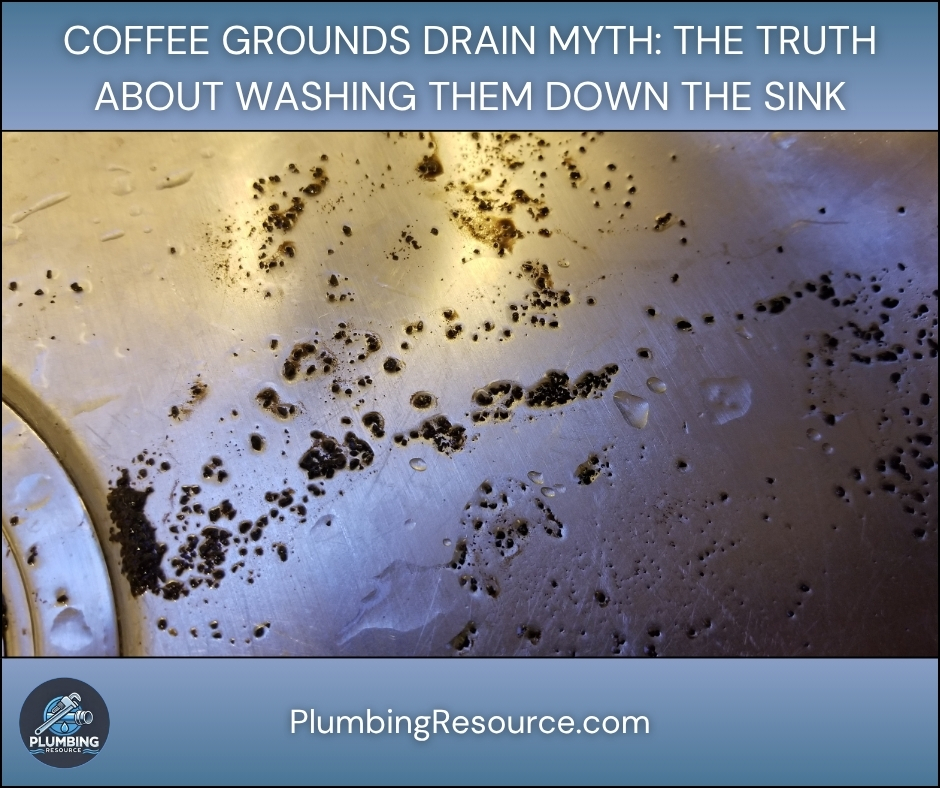
Food particles, soap residue, coffee grounds, and wastewater debris then stick to the greasy surfaces. Eventually, thick buildup forms inside the pipes.
As the buildup increases, wastewater flow slows down. In severe situations, grease accumulation can extend into the main sewer line and create major blockages.
Older cast iron pipes often experience faster buildup because rough interior surfaces trap grease more easily. However, PVC drain lines can also develop serious restrictions over time.
⚠️ Early Warning Signs Most People Miss
Many homeowners ignore the warning signs because the plumbing fixtures still partially work.
However, grease buildup usually creates several early symptoms before a complete blockage occurs.
Slow Kitchen Sink Drainage
Water may begin draining more slowly after washing dishes or running the garbage disposal.
Gurgling Sounds
Restricted wastewater flow can create trapped air pockets inside the drain line. Therefore, bubbling or gurgling noises may develop.
Bad Drain Odors
Grease buildup traps food particles and bacteria inside the pipes. Consequently, unpleasant smells often appear near the sink.
Frequent Minor Clogs
If the kitchen sink repeatedly clogs, grease buildup may already be restricting the drain line.
Water Backup Problems
In more advanced situations, wastewater may back up into nearby fixtures or the kitchen sink itself.
🛠️ Short-Term Plumbing Problems
Grease and oil buildup hidden inside your pipes can create immediate plumbing issues throughout the home.
First, kitchen sinks often drain more slowly. Then, standing water may remain inside the fixture longer than normal.
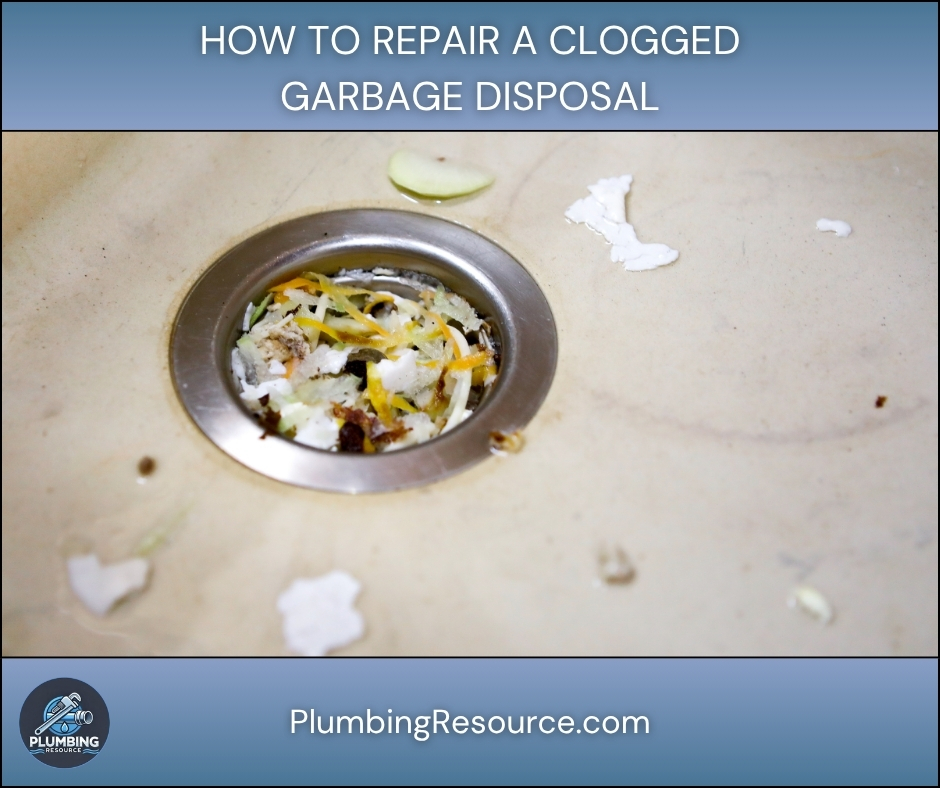
In addition, garbage disposals may struggle because thick grease buildup reduces proper wastewater flow.
Dishwashers can also experience drainage problems because many systems connect to the same kitchen drain line.
Some homeowners attempt to solve the issue using chemical drain cleaners. However, these products rarely remove hardened grease completely.
💸 Long-Term Damage This Can Cause
Long-term grease buildup can eventually create severe plumbing problems and expensive repairs.
Sewer Line Blockages
Grease accumulation can spread into the main sewer line. Eventually, wastewater may stop flowing properly from the home.
Sewage Backups
Major blockages may force wastewater back into sinks, tubs, or floor drains. Consequently, cleanup costs can become significant.
Water Damage
Overflowing fixtures and sewer backups may damage cabinets, flooring, drywall, and surrounding materials.
Pipe Corrosion Risks
Although grease does not directly damage most pipes, trapped moisture and bacteria can contribute to corrosion inside older cast iron systems.
Expensive Professional Cleaning
Severe grease buildup often requires hydro jetting or mechanical drain cleaning equipment.
Health Concerns
Wastewater backups can expose homeowners to harmful bacteria, contaminants, and mold growth.
🚫 Common Myths and Bad Advice
Several common myths continue causing plumbing problems in homes every day.
“Hot Water Flushes Grease Away”
Hot water only moves grease temporarily. Eventually, the grease cools farther down the plumbing system.
“Dish Soap Solves the Problem”
Soap may break grease apart briefly. However, grease still hardens later inside the drain line.
“Small Amounts Don’t Matter”
Even small grease amounts accumulate over time. Therefore, repeated exposure slowly creates thick buildup.
“Garbage Disposals Can Handle Grease”
Garbage disposals do not eliminate grease. Instead, they often spread greasy residue deeper into the plumbing system.
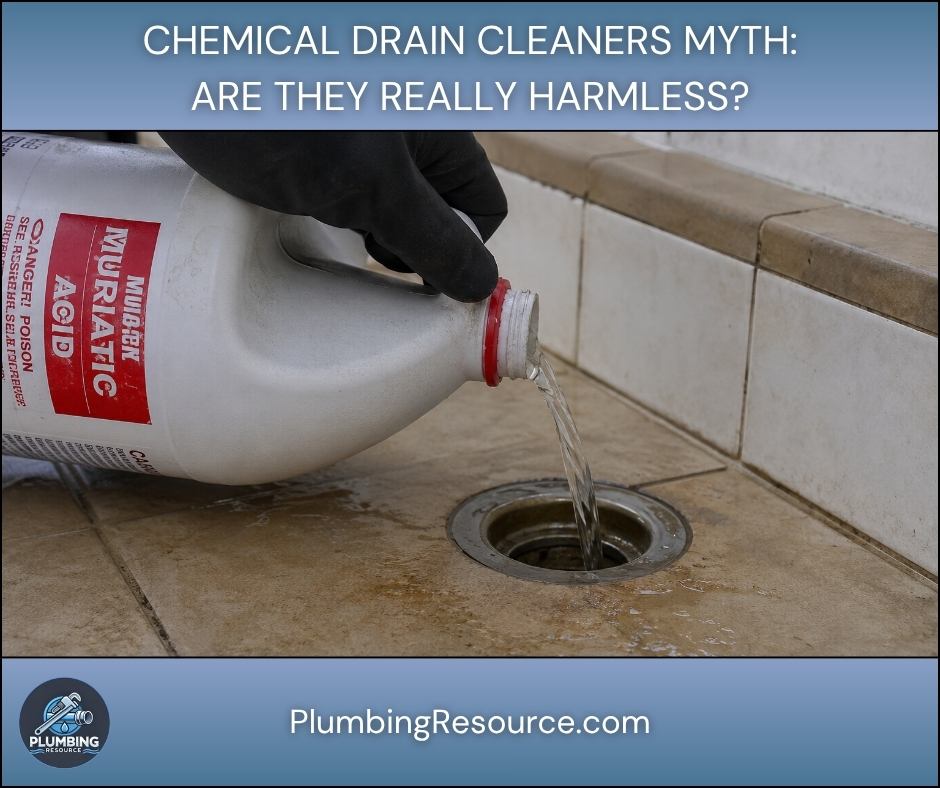
“Chemical Drain Cleaners Remove Grease”
Most chemical drain cleaners fail to clear hardened grease fully. In addition, repeated chemical use may damage older drain pipes.
✅ The Correct Way to Handle the Situation
The best solution is preventing grease from entering the plumbing system altogether.
Allow grease, oil, and cooking fat to cool inside a disposable container. Then, throw the hardened material into the trash.
You can also wipe greasy cookware with paper towels before washing dishes.
In addition, sink strainers help reduce food debris entering the drain line. This prevents additional buildup from attaching to greasy pipe walls.
Homes with recurring kitchen drain problems may benefit from professional drain cleaning and camera inspections.
👨🏻🔧 DIY vs When to Call a Licensed Plumber
Homeowners can safely handle basic grease prevention and simple maintenance tasks.
DIY Tasks Homeowners Can Handle
- Proper grease disposal
- Cleaning sink strainers
- Flushing drains occasionally
- Using enzyme-based drain maintenance products
- Removing small fixture clogs
When to Call a Licensed Plumber
Professional plumbing service may be necessary if you notice:
- Frequent kitchen sink backups
- Multiple clogged fixtures
- Sewage odors
- Slow drainage throughout the home
- Water backing up into nearby fixtures
- Recurring drain line stoppages
Licensed plumbers may use drain cameras, hydro jetting equipment, or mechanical drain machines to restore proper wastewater flow safely.
🧰 Prevention Tips That Actually Work
Grease and oil buildup hidden inside your pipes is highly preventable when homeowners develop proper habits.
Dispose of Grease Properly
Always pour grease into disposable containers instead of the kitchen sink.
Wipe Cookware Before Washing
Paper towels help remove leftover oil before dishes enter the plumbing system.
Avoid Pouring Cooking Oil Down Drains
Liquid oil still sticks to pipe walls over time.
Use Sink Strainers
Strainers reduce food debris entering the drain line.
Schedule Preventive Drain Maintenance
Periodic professional cleaning helps reduce severe buildup inside drain pipes and sewer lines.
Educate Everyone in the Household
Children and guests may unknowingly pour grease into the sink. Therefore, consistent household habits matter.
❓ FAQ
Can grease really clog sewer lines?
Yes. Grease buildup can spread into sewer lines and eventually create severe wastewater blockages.
Does hot water prevent grease buildup?
No. Hot water only delays solidification temporarily. However, grease eventually cools and sticks to the pipes.
Is cooking oil bad for drain pipes?
Yes. Cooking oil contributes to buildup inside drain lines and can lead to plumbing restrictions over time.
What removes grease buildup from pipes?
Professional hydro jetting is often the most effective solution for severe grease buildup inside plumbing systems.
Can grease buildup cause sewage backups?
Yes. Major grease blockages can prevent wastewater from flowing properly and eventually cause sewage backups.
✅ Conclusion
Grease and oil buildup hidden inside your pipes usually develops slowly. Therefore, many homeowners overlook the warning signs until serious plumbing problems appear.
Although pouring grease down the sink may seem harmless, repeated buildup can restrict wastewater flow, clog drain lines, and contribute to sewer backups.
Fortunately, proper grease disposal and consistent maintenance habits can help protect the plumbing system for years to come.
👋🏼 Before You Go…
If you found this guide helpful, save it for future reference and share it with other homeowners. Small kitchen habits today can help prevent expensive plumbing problems later.