A homeowner notices a small leak under the kitchen sink. Instead of replacing the damaged pipe, they wrap the area with tape and place a bucket underneath. At first, the temporary repair seems to work. However, weeks later, the cabinet floor begins to swell, mold develops behind the wall, and the drain line suddenly fails.
Temporary plumbing fixes that lead to expensive damage often begin with small problems that appear harmless. Unfortunately, many homeowners delay permanent repairs because the leak slows down or the plumbing fixture still functions. Meanwhile, hidden damage continues spreading inside the plumbing system.
❌ Why Homeowners Make This Mistake
Many temporary plumbing repairs appear effective at first. For example, pipe tape, sealants, hose clamps, and patch kits can reduce visible leaks quickly. Because of this, homeowners often assume the issue is solved.
In addition, online videos frequently promote quick plumbing hacks as long-term solutions. Some products even advertise “permanent leak repair” despite only providing short-term protection.
Homeowners also delay repairs to avoid immediate costs. However, small plumbing issues often become much more expensive later.
🔍 What Happens Inside the Plumbing System
Temporary plumbing fixes that lead to expensive damage usually fail because they do not address the actual cause of the problem. Instead, they only cover visible symptoms.
For example, a leaking pipe may have corrosion inside the pipe walls. Although tape may stop dripping temporarily, the metal continues weakening internally. Eventually, pressure causes the damaged section to split further.
Similarly, patched drain lines often continue leaking wastewater slowly. As a result, moisture spreads into framing, insulation, flooring, and drywall.
In some cases, temporary fixes also trap moisture against the pipe surface. Consequently, corrosion accelerates and weakens nearby fittings, joints, and fixtures.
Drain line blockages can worsen as well. If a homeowner uses temporary chemical products repeatedly, buildup may continue forming deeper inside the sewer line.
⚠️ Early Warning Signs Most People Miss
Temporary plumbing repairs often create subtle warning signs before major failures occur.
Homeowners may notice:
- Musty odors near cabinets or walls
- Water stains around plumbing fixtures
- Slightly warped flooring
- Mold growth near baseboards
- Reduced water pressure
- Slow drain line performance
- Recurring leaks in the same location
- Dripping sounds behind walls
- Rust forming around fittings
- Increased water bills
Although these signs seem minor initially, they often indicate hidden plumbing system damage.
🛠️ Short-Term Plumbing Problems
Temporary plumbing fixes that lead to expensive damage commonly create immediate plumbing issues within weeks or months.
For example, patched pipes may begin leaking again during pressure fluctuations. Likewise, temporary drain line repairs may loosen because of wastewater movement and pipe vibration.
Other short-term problems include:
- Repeated fixture leaks
- Cabinet water damage
- Minor flooding
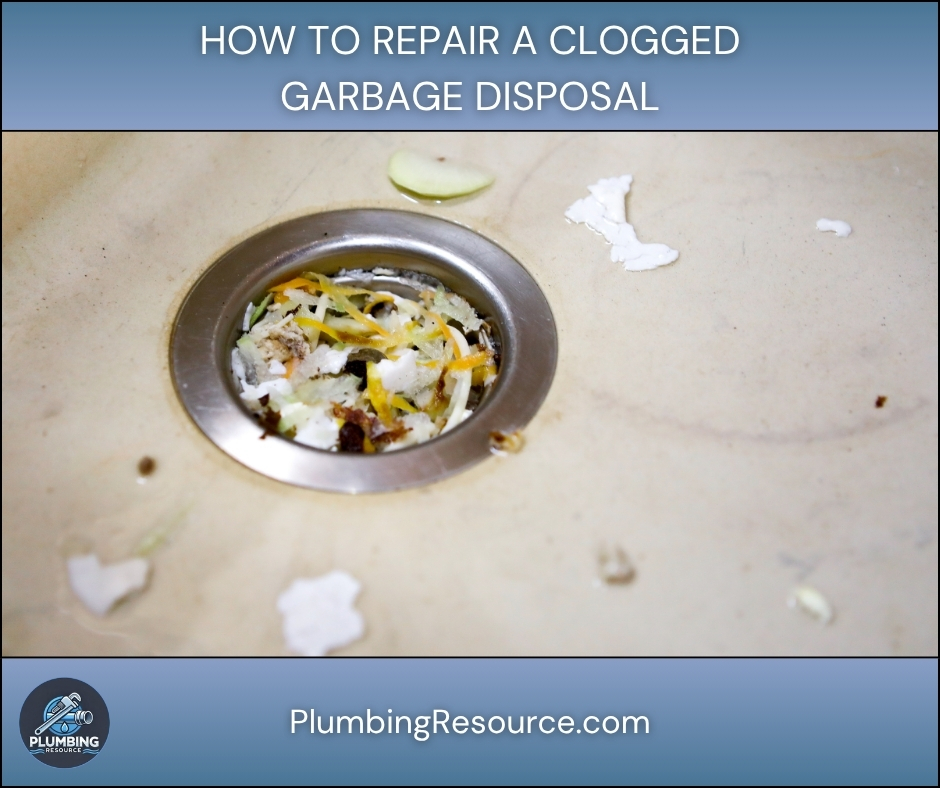
- Drain blockage buildup
- Sewer gas odors
- Loose pipe connections
- Increased corrosion
- Pipe joint separation
In addition, some temporary sealants break down when exposed to heat or moisture repeatedly.
💸 Long-Term Damage This Can Cause
Long-term plumbing damage can become severe when temporary repairs remain in place for years.
Hidden leaks may rot wooden framing and subfloors. Furthermore, continuous moisture creates ideal conditions for mold growth inside walls and ceilings.
Temporary plumbing fixes that lead to expensive damage can also contribute to:
- Structural wood damage
- Foundation moisture issues
- Sewer line deterioration
- Extensive mold remediation costs
- Drywall replacement
- Flooring replacement
- Fixture damage
- Insulation contamination
- Electrical hazards near water exposure
In severe cases, weakened pipes can burst suddenly. Consequently, homeowners may experience major flooding and expensive emergency plumbing repairs.
Insurance claims may also become complicated if adjusters determine homeowners ignored ongoing plumbing issues.
🚫 Common Myths and Bad Advice
Many plumbing myths encourage homeowners to rely on temporary solutions too long.
“If It Stops Leaking, It’s Fixed”
A hidden leak can continue damaging surrounding materials even after visible dripping stops.
“Pipe Tape Works Permanently”
Pipe tape may help temporarily during emergencies. However, it rarely solves underlying pipe damage permanently.
“A Small Leak Is Not Urgent”
Small leaks often indicate larger plumbing system weaknesses developing internally.
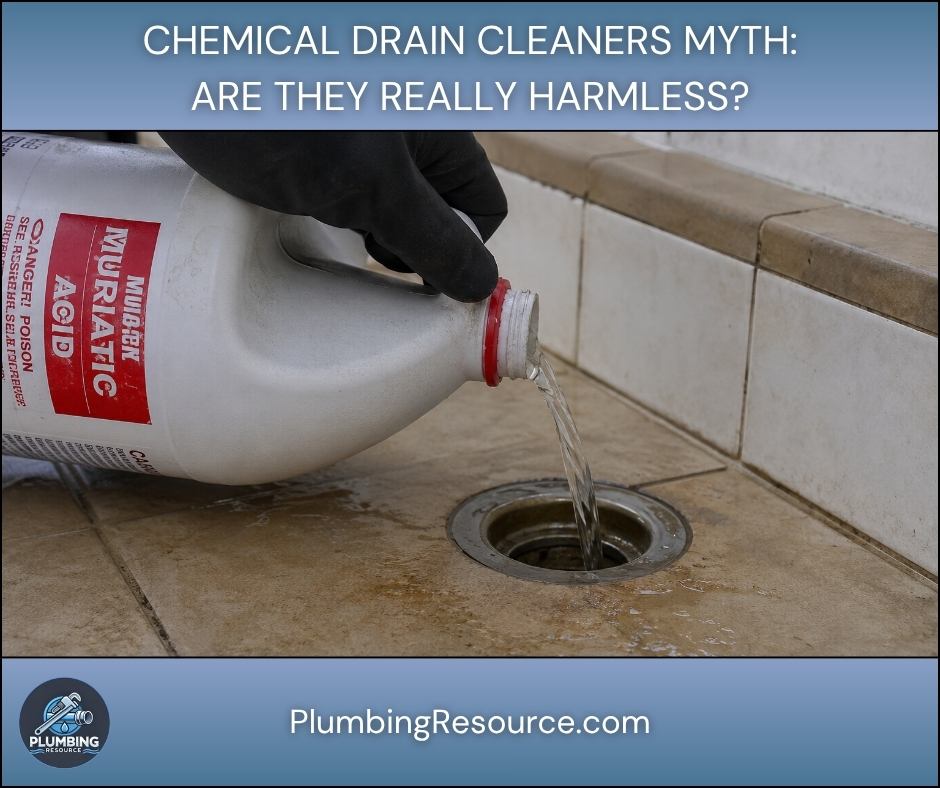
“Drain Cleaners Solve Clogs Completely”
Chemical drain cleaners may temporarily improve drainage. However, they can also damage pipe walls and worsen corrosion.
“DIY Patch Kits Replace Proper Repairs”
Patch kits only buy limited time in many situations. Therefore, damaged piping usually still requires replacement.
✅ The Correct Way to Handle the Situation
The best solution is identifying and repairing the actual plumbing problem immediately.
For example, damaged water lines should usually be replaced instead of patched repeatedly. Similarly, corroded fittings should be removed entirely rather than covered with sealants.
Homeowners should also:
- Inspect leaks quickly
- Replace damaged sections properly
- Monitor water pressure
- Repair drain line issues completely
- Use approved plumbing materials
- Avoid repeated temporary patching
- Address moisture damage early
In addition, professional inspections help uncover hidden plumbing system problems before they become catastrophic.
👨🏻🔧 DIY vs When to Call a Licensed Plumber
Some minor plumbing maintenance tasks are safe for homeowners. For example, tightening a loose supply line connection or replacing a faucet washer may be manageable.
However, homeowners should call a licensed plumber when:
- Leaks continue returning
- Water damage appears behind walls
- Sewer odors develop
- Pipe corrosion is visible
- Drain lines back up repeatedly
- Water pressure fluctuates
- Structural moisture damage exists
- Pipe replacement is required
Licensed plumbers also use diagnostic equipment that homeowners usually do not have. For example, camera inspections can identify hidden sewer line problems accurately.
In addition, plumbing code requirements may apply during repairs. Therefore, professional repairs help ensure long-term plumbing system safety.
🧰 Prevention Tips That Actually Work
Homeowners can prevent major plumbing damage by following simple maintenance habits consistently.
Inspect Plumbing Regularly
Check exposed pipes, shut-off valves, drain lines, and fixtures routinely for leaks or corrosion.
Repair Small Problems Early
Minor plumbing issues become much more expensive when ignored.
Avoid Permanent Temporary Repairs
Emergency fixes should remain temporary only until proper repairs occur.
Monitor Water Bills
Unexpected increases may indicate hidden leaks inside the plumbing system.
Replace Aging Components
Older fittings, valves, and supply lines should be replaced before failure occurs.
Schedule Professional Inspections
Routine plumbing inspections help identify hidden problems early.
❓ FAQ
Can temporary plumbing repairs become permanent?
Most temporary plumbing repairs are not designed for permanent use. Eventually, the damaged area usually worsens and leaks again.
Are pipe repair tapes reliable long term?
Pipe repair tapes may slow leaks temporarily. However, they rarely solve underlying corrosion or pipe damage permanently.
Why do temporary plumbing fixes fail?
Temporary fixes usually cover symptoms instead of repairing the actual plumbing system problem.
Can a small plumbing leak cause major damage?
Yes. Even small leaks can cause mold growth, structural damage, flooring problems, and sewer line issues over time.
When should I call a plumber instead of using a patch repair?
You should call a plumber if leaks continue returning, pipe corrosion exists, or water damage appears around the plumbing fixture.
✅ Conclusion
Temporary plumbing fixes that lead to expensive damage often begin as small attempts to save time or money. Unfortunately, these quick solutions frequently allow hidden plumbing problems to worsen quietly behind walls, under floors, and inside drain lines.
Proper plumbing repairs protect your plumbing system, reduce long-term repair costs, and help prevent serious water damage. Therefore, homeowners should treat temporary repairs as emergency measures only and schedule permanent solutions as soon as possible.
A small plumbing issue handled correctly today can prevent a major disaster tomorrow.
👋🏼 Before You Go…
If you found this guide helpful, save it for future reference and share it with other homeowners. Small plumbing mistakes often turn into expensive repairs when warning signs go ignored.