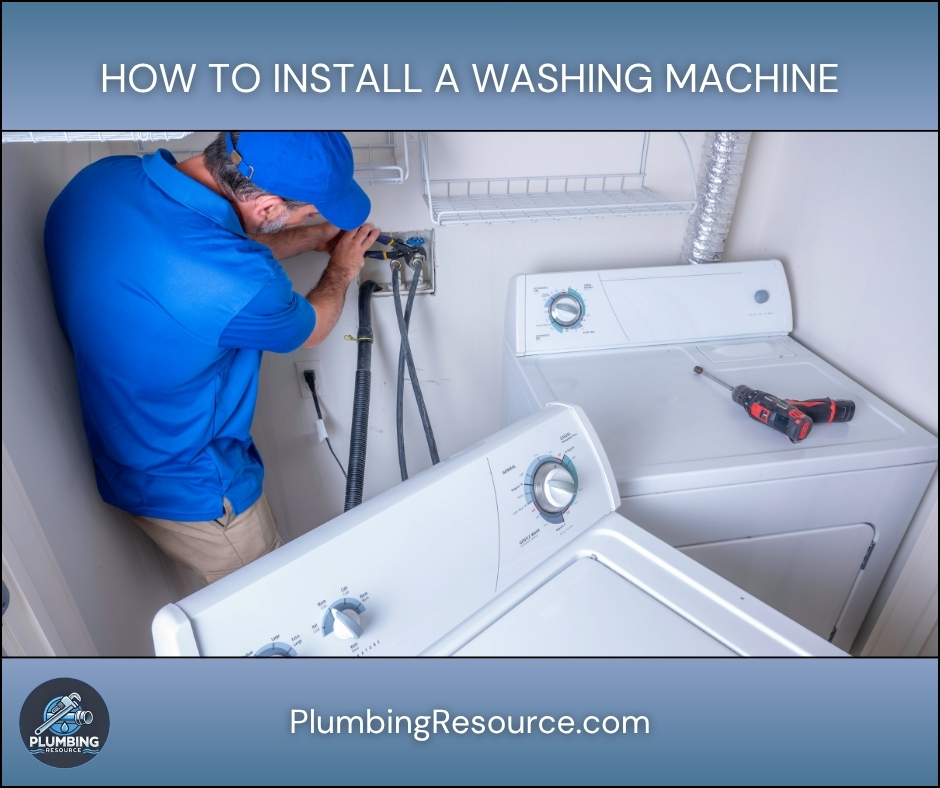
Installing a washing machine may seem overwhelming at first. However, once you understand the plumbing, drainage, and setup process, the project becomes much easier. This guide explains how to install a washing machine step by step, while also helping you avoid leaks, drainage problems, and vibration issues.
Many homeowners struggle with water supply hoses, drain placement, and leveling. In addition, improper installation can cause flooding, sewer odors, or damage to the appliance. Therefore, understanding each step matters before you turn the machine on for the first time.
🔍 Understanding the Project
A washing machine connects to your home’s plumbing system, electrical system, and drainage system. Because all three systems work together, every connection must be installed carefully.
Proper installation matters because washing machines move large amounts of water very quickly. If a hose connection leaks or the drain setup fails, water damage can happen fast. In addition, poor leveling can cause excessive vibration and shorten the machine’s lifespan.
Before starting, you should confirm:
- The washer fits the space
- Hot and cold shut-off valves work
- The drain system is clear
- The electrical outlet is grounded
- The floor can support the machine
Many installation problems happen because of tight spaces, damaged shut-off valves, clogged standpipes, or improperly routed drain hoses. Therefore, planning ahead helps prevent frustration later.
🧰 Tools & Materials
- Adjustable wrench
- Channel-lock pliers
- Level
- Screwdriver set
- Bucket
- Towels
- Utility knife
- Flashlight
- Washing machine hoses
- Drain hose
- Hose washers
- Washing machine drain pan
- Zip ties or hose clamp
- Anti-vibration pads
- Measuring tape
🛠️ Step-By-Step Guide: How To Install a Washing Machine
1️⃣ Measure the Installation Area
Measure the width, depth, and height of the laundry area before moving the machine into place. Also, leave room behind the washer for hoses and airflow.
Front-loading washers need additional clearance for the door swing. Meanwhile, top-loading washers need space above the lid.
2️⃣ Inspect the Plumbing Connections
Locate the hot and cold shut-off valves. Then, inspect them for corrosion, leaks, or stiffness.
Open and close each valve slowly. If a valve drips or fails to shut off completely, replace it before continuing.
Also, inspect the standpipe or laundry sink drain. The drain must handle fast water discharge without backing up.
3️⃣ Verify the Electrical Outlet
Check that the outlet is grounded and accessible. In addition, avoid using extension cords because they can overheat.
Most washing machines require a dedicated 120-volt outlet. Therefore, confirm the breaker and outlet match the manufacturer’s requirements.
4️⃣ Position the Drain Pan
Place the drain pan in the final installation location if you are using one.
Drain pans help protect floors from water damage. In addition, they are highly recommended for upstairs laundry rooms.
Make sure the pan sits flat and stable before placing the washer inside it.
5️⃣ Remove Shipping Materials
Unbox the washing machine carefully. Then, remove all tape, foam blocks, packaging inserts, and protective wrap.
Most importantly, remove the shipping bolts from the back of the machine. Front-load washers especially rely on these bolts during transportation.
If you leave the shipping bolts installed, severe vibration and internal damage can occur.
6️⃣ Attach the Water Supply Hoses
Install new washing machine hoses instead of reusing old ones.
First, connect the hoses to the back of the washer. Then, connect the opposite ends to the shut-off valves.
Hot connects to hot, while cold connects to cold.
Hand-tighten the fittings first. Afterward, use a wrench for a small additional turn. However, avoid overtightening because this can damage the rubber washers.
7️⃣ Connect the Drain Hose
Attach the drain hose to the washer outlet according to the manufacturer’s instructions.
Next, insert the hose into the standpipe or secure it to the laundry sink.
Do not force the hose too far into the standpipe. Instead, allow an air gap to prevent siphoning problems.
Also, secure the hose using a zip tie or clamp so it cannot jump out during draining.
8️⃣ Move the Washer Into Position
Carefully slide the washer into place.
While moving the appliance, watch the hoses closely. Otherwise, hoses can kink or become crushed behind the machine.
Avoid pushing the machine tightly against the wall. Instead, leave enough room for the hoses to flex naturally.
9️⃣ Level the Washing Machine
Place a level on top of the washer.
Then, adjust the leveling feet until the machine sits evenly from front to back and side to side.
A washing machine must sit level to reduce vibration. In addition, leveling helps protect internal suspension components.
Once adjusted, tighten the locking nuts on the feet if your model includes them.
1️⃣0️⃣ Turn On the Water Supply
Slowly open both shut-off valves.
Then, inspect every hose connection carefully for leaks. Even a small drip can eventually cause major water damage.
If you notice leaking:
- Tighten the fitting slightly
- Check the hose washer
- Reconnect the hose if necessary
Do not ignore slow drips because they usually worsen over time.
1️⃣1️⃣ Plug In the Washing Machine
Plug the washer directly into the outlet.
Then, organize the power cord so it does not become pinched behind the appliance.
Avoid sharing the outlet with other large appliances whenever possible.
1️⃣2️⃣ Run a Test Cycle
Run a short wash or rinse cycle without clothing.
During the cycle, monitor:
- Water supply connections
- Drain hose performance
- Machine vibration
- Drainage speed
- Unusual noises
Also, watch the standpipe while the washer drains. If water rises too high, the drain may be partially clogged.
1️⃣3️⃣ Check Final Position and Stability
After the test cycle finishes, inspect the washer one final time.
Push gently on each corner of the machine. If rocking occurs, readjust the leveling feet.
Finally, confirm:
- No leaks exist
- The drain works correctly
- The machine stays stable during spin cycles
⚠️ Common Mistakes
- Reusing old washing machine hoses
- Forgetting to remove shipping bolts
- Overtightening hose fittings
- Pushing the washer too close to the wall
- Installing the drain hose too deep into the standpipe
- Failing to level the machine
- Ignoring slow leaks
- Using extension cords
💡 Pro Tips
- Use braided stainless steel hoses for better durability
- Replace washing machine hoses every 3–5 years
- Install a water hammer arrestor if pipes bang during filling
- Add anti-vibration pads for second-floor laundry rooms
- Label shut-off valves if markings are faded
- Keep a few inches of hose slack behind the washer
🔧 Troubleshooting
Washer Shakes Excessively
Recheck the leveling feet. Also, confirm the shipping bolts were removed.
Water Leaks From Hose Connections
Turn off the water supply. Then, inspect the rubber washers for twisting or damage.
Drain Overflows During Spin Cycle
The standpipe or drain line may be clogged. Therefore, clear the blockage before using the washer again.
Washer Will Not Fill
Confirm both shut-off valves are open. In addition, inspect the inlet screens for debris.
Sewer Smell Near Washer
The standpipe trap may be dry or improperly vented. Therefore, inspect the drain system for venting problems.
👨🏻🔧 When to Call a Professional
You should contact a plumber if:
- Shut-off valves leak
- The standpipe overflows repeatedly
- Drain lines back up
- The laundry box needs replacement
- New plumbing lines are required
- The electrical outlet is not grounded
Additionally, call a professional if the washer location requires major plumbing modifications.
❓ FAQ
How long does it take to install a washing machine?
Most washing machine installations take between 1 and 2 hours. However, additional plumbing repairs may increase the time.
Can you install a washing machine without a standpipe?
Yes, some washing machines drain into a laundry sink. However, the sink drain must handle the washer’s discharge flow.
How do you level a washing machine?
Adjust the leveling feet until the machine sits evenly. Then, tighten the locking nuts to secure the adjustment.
Do washing machine hoses need Teflon tape?
Most washing machine hoses use rubber washers instead of thread seal tape. Therefore, Teflon tape is usually unnecessary.
How far should the drain hose go into the standpipe?
Most drain hoses should extend about 6–8 inches into the standpipe. However, always follow the manufacturer’s instructions.
✅ Conclusion
Learning how to install a washing machine helps you avoid leaks, drainage problems, and vibration issues. Because the project involves plumbing, drainage, and electrical connections, attention to detail matters throughout the installation.
By following these steps carefully, you can complete the installation confidently and help protect your home from costly water damage.
👋🏼 Before You Go…
If this guide helped you, save it for future reference and share it with someone planning a laundry room project.