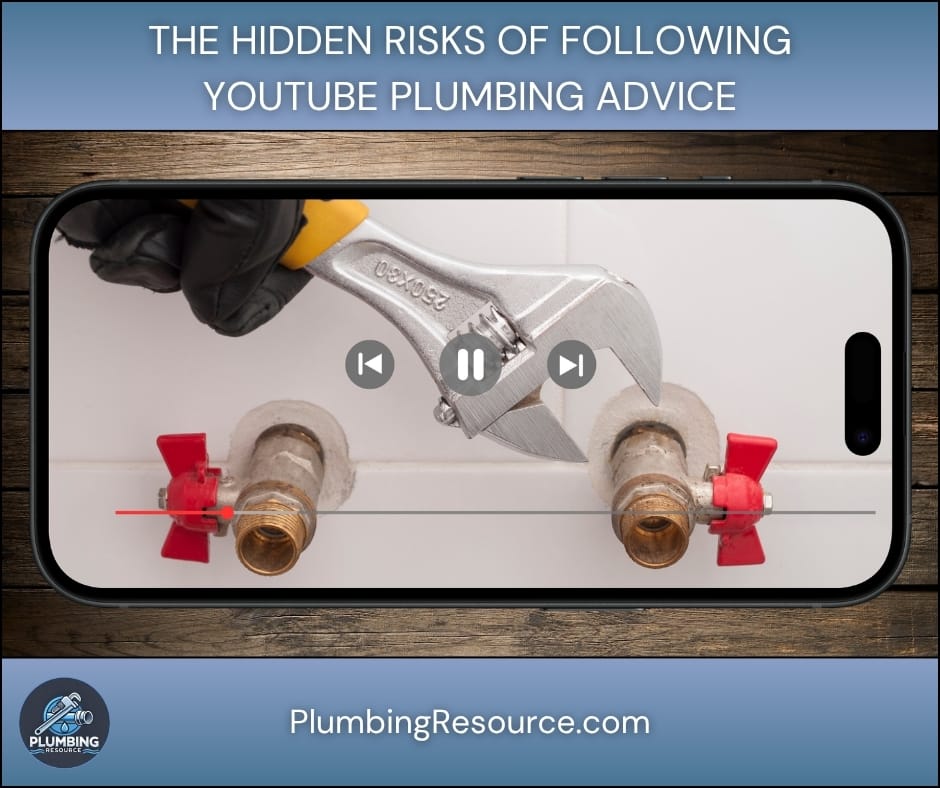
A homeowner notices a leaking bathroom faucet and decides to fix it after watching a quick online tutorial. At first, everything appears fine. However, several days later, water begins leaking slowly inside the vanity cabinet.
Weeks pass before the hidden moisture becomes noticeable. Eventually, the cabinet base swells, mold develops, and the shut-off valve starts corroding.
The hidden risks of following YouTube plumbing advice often begin exactly this way. Although many online videos seem helpful, they sometimes leave out critical plumbing details that protect the plumbing system from long-term damage.
❌ Why Homeowners Make This Mistake
Many homeowners trust online plumbing videos because they appear simple and affordable. In addition, social media often promotes quick DIY repairs as easy weekend projects.
Unfortunately, plumbing systems are more complex than they appear. Although many tutorials look convincing, they may skip important steps involving venting, drainage flow, water pressure, or plumbing code requirements.
Some content creators also prioritize entertainment over accuracy. Therefore, homeowners may unknowingly follow unsafe or incomplete plumbing methods.
Many people also assume all homes use identical plumbing systems. However, pipe materials, fixture layouts, drain line configurations, and water quality conditions vary significantly between properties.
🔍 What Happens Inside the Plumbing System
The hidden risks of following YouTube plumbing advice usually develop out of sight. Although a repair may appear successful initially, hidden plumbing damage can slowly worsen behind walls, under flooring, or inside drain piping.
For example, improperly sealed fittings may leak slowly inside enclosed spaces. Consequently, moisture damages insulation, framing, drywall, and cabinetry.
Incorrect drain line repairs can also disrupt wastewater flow. Over time, buildup accumulates inside the pipe walls and creates recurring blockages.
Improper venting modifications may create negative air pressure inside the drainage system. Because of this, traps may siphon dry and allow sewer gases into the home.
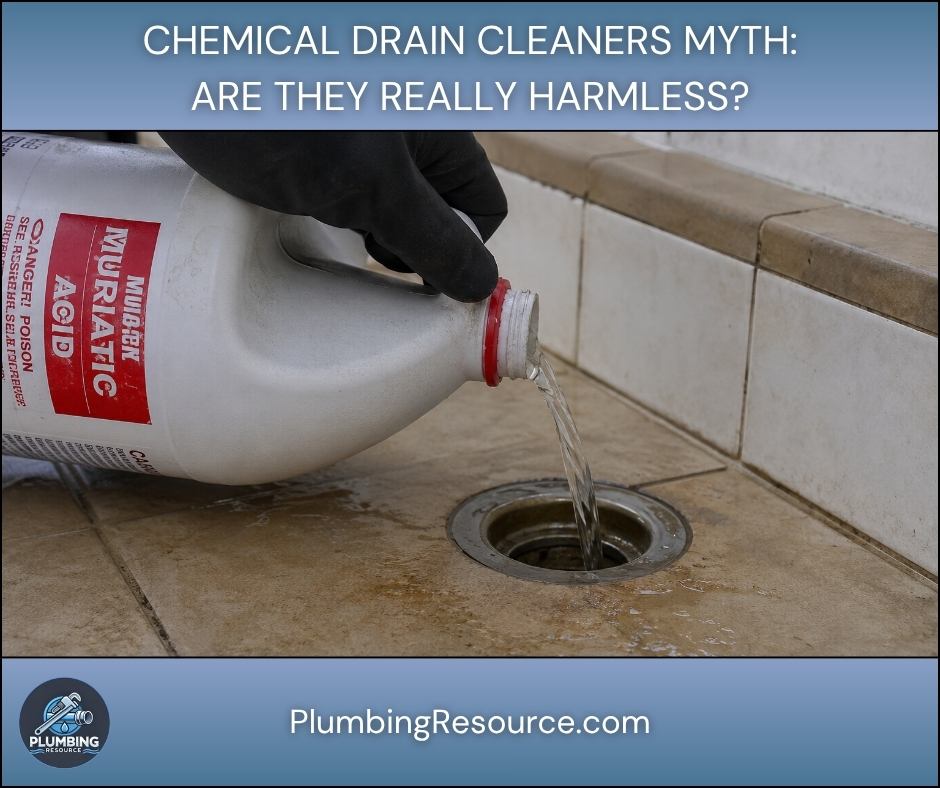
Some DIY videos also recommend harsh chemical drain cleaners. Unfortunately, repeated chemical exposure can weaken older piping and accelerate corrosion.
⚠️ Early Warning Signs Most People Miss
The hidden risks of following YouTube plumbing advice often start with subtle warning signs that homeowners overlook.
Slow Drains After a DIY Repair
If a sink or tub drains slower after a repair, the drain line may have improper alignment or partial blockage.
Small Water Stains
Minor discoloration beneath fixtures or near walls may indicate hidden leaks inside the plumbing system.
Sewer Odors
Improper venting or faulty drain connections can allow sewer gases into living spaces.
Low Water Pressure
Incorrect valve installation or damaged supply piping can reduce fixture performance throughout the home.
Repeated Clogs
Frequent clogs often signal deeper drainage problems developing inside the wastewater system.
🛠️ Short-Term Plumbing Problems
Bad online plumbing advice can quickly create immediate plumbing issues.
Leaking Connections
Incorrect sealing techniques often cause small leaks around fittings and supply lines.
Fixture Damage
Improper installation methods can damage faucets, toilets, garbage disposals, and shut-off valves.
Drainage Problems
Improper drain repairs may reduce wastewater flow and increase buildup inside pipes.
Water Damage
Even minor leaks can damage flooring, drywall, cabinets, and surrounding materials surprisingly fast.
Emergency Plumbing Calls
Temporary DIY fixes often fail unexpectedly and create urgent repair situations.
💸 Long-Term Damage This Can Cause
The hidden risks of following YouTube plumbing advice can eventually lead to extremely expensive plumbing repairs.
Mold and Mildew Growth
Persistent hidden moisture creates ideal conditions for mold development behind walls and under flooring.
Structural Damage
Long-term leaks can weaken wood framing, subfloors, and structural supports.
Sewer Line Problems
Improper drain repairs may eventually contribute to sewer backups or damaged sewer lines.
Pipe Corrosion
Incorrect repair materials or harsh chemicals can accelerate corrosion inside older plumbing systems.
Slab Leak Risks
Improper underground repairs or unnoticed leaks may eventually contribute to slab leaks beneath the foundation.
Increased Water Bills
Slow leaks waste significant amounts of water over time. Therefore, utility costs may rise unexpectedly.
Failed Home Inspections
Non-code-compliant plumbing work may create problems during future home sales or remodeling inspections.
🚫 Common Myths and Bad Advice
Many online plumbing myths continue spreading across video platforms and social media.
“If It Stops Leaking, It’s Fixed”
Some leaks temporarily stop before worsening internally. Therefore, a repair may still be failing behind the scenes.
“Any Plumbing Part Will Work”
Different plumbing systems require compatible fittings, pipe materials, and pressure ratings.
“Chemical Drain Cleaners Are Safe”
Many chemical cleaners damage pipe walls and weaken older drain systems.
“Plumbing Repairs Are Mostly Common Sense”
Professional plumbing requires knowledge of drainage flow, venting, code requirements, and water distribution systems.
“Online Tutorials Always Show the Correct Way”
Some creators lack professional plumbing training and may demonstrate unsafe practices.
✅ The Correct Way to Handle the Situation
Homeowners should approach online plumbing advice carefully and realistically.
Verify the Source
Always prioritize information from licensed plumbers or reputable plumbing organizations.
Understand Your Plumbing System
Every home has unique plumbing conditions, materials, and drainage layouts.
Avoid Shortcut Repairs
Temporary fixes often hide larger plumbing problems instead of solving them completely.
Use Proper Plumbing Materials
Correct fittings, pipe materials, and sealants help prevent leaks and long-term failures.
Follow Plumbing Codes
Proper plumbing code compliance protects safety, drainage performance, and water quality.
Stop When Repairs Become Complicated
If a repair escalates beyond basic maintenance, contact a licensed plumber immediately.
👨🏻🔧 DIY vs When to Call a Licensed Plumber
Some plumbing tasks are manageable for homeowners. However, others require professional equipment and expertise.
DIY Tasks Homeowners Can Usually Handle
- Replacing faucet aerators
- Installing showerheads
- Replacing toilet flappers
- Cleaning sink stoppers
- Basic fixture maintenance
When You Should Call a Licensed Plumber
Professional help is recommended for:
- Sewer line problems
- Gas line repairs
- Water heater installations
- Hidden leaks
- Slab leaks
- Major drain line repairs
- Pipe rerouting
- Venting modifications
- Significant water damage
Licensed plumbers also understand local plumbing code requirements and safety standards.
🧰 Prevention Tips That Actually Work
These practical habits can help protect your plumbing system from unnecessary damage.
Research Multiple Sources
Do not rely on a single online tutorial before attempting plumbing repairs.
Inspect Repairs Carefully
Always monitor fixtures and piping for leaks after completing any repair.
Avoid Harsh Chemicals
Safer drain cleaning methods help protect pipe walls and reduce corrosion risks.
Schedule Routine Plumbing Inspections
Professional inspections help identify hidden plumbing problems early.
Learn Basic Maintenance Only
Focus on simple maintenance rather than advanced plumbing modifications.
Use Quality Plumbing Materials
Cheap fittings and low-quality components often fail prematurely.
Know When to Stop
If the repair becomes confusing or risky, contact a licensed plumber before damage worsens.
❓ FAQ
Can YouTube plumbing advice actually damage pipes?
Yes. Incorrect DIY repairs can create leaks, corrosion, drain problems, and expensive plumbing failures.
Why do DIY plumbing repairs sometimes fail later?
Some plumbing problems develop slowly behind walls or inside drain systems before becoming visible.
Are all online plumbing tutorials bad?
No. Some licensed plumbers provide accurate educational content. However, homeowners should still verify the information carefully.
What plumbing repairs are unsafe for homeowners?
Sewer line work, gas piping, slab leak repairs, water heater installations, and major drain modifications should usually involve licensed plumbers.
Can bad DIY plumbing repairs violate plumbing code?
Yes. Incorrect venting, drainage slope, pipe sizing, and fixture installation can violate plumbing code requirements.
✅ Conclusion
The hidden risks of following YouTube plumbing advice often begin with simple DIY repairs that seem harmless at first. Unfortunately, many online tutorials oversimplify complex plumbing systems and ignore critical long-term consequences.
Although basic plumbing maintenance can be manageable, major plumbing repairs require proper knowledge, safe installation practices, and code compliance. Therefore, homeowners should carefully evaluate online plumbing advice before attempting repairs themselves.
Understanding the warning signs, long-term risks, and proper prevention methods can help protect your plumbing system from expensive damage and future failures.
👋🏼 Before You Go…
If this article helped you better understand the risks behind online plumbing tutorials, save it for later and share it with other homeowners. Doing so could help someone avoid costly plumbing damage and unnecessary repairs.