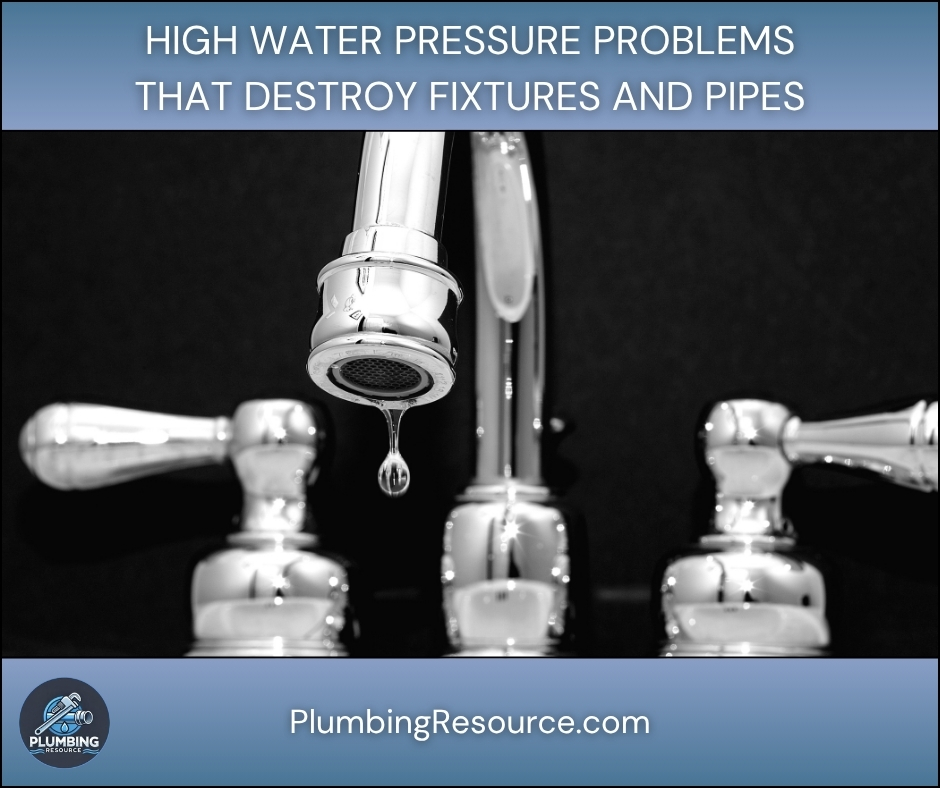
You step into the shower and immediately notice powerful water pressure blasting from the showerhead. At first, it feels amazing. However, a few months later, your faucet starts dripping, your toilet constantly runs, and your washing machine hose suddenly leaks.
Many homeowners never realize that high water pressure problems that destroy fixtures and pipes can silently damage an entire plumbing system over time.
Because the damage develops slowly, the warning signs often seem small at first. Eventually, however, expensive plumbing repairs begin appearing throughout the home.
❌ Why Homeowners Make This Mistake
Most homeowners assume strong water pressure is a good thing. After all, weak pressure feels frustrating during showers, laundry, and dishwashing.
Therefore, higher pressure often feels like an upgrade instead of a plumbing problem.
In addition, many people move into homes that already have excessive water pressure. Since everything still appears functional, they never suspect the plumbing system is under constant stress.
Another common misconception is that modern fixtures can handle unlimited pressure. Unfortunately, residential plumbing fixtures are designed to operate within safe pressure ranges.
Without proper regulation, excessive pressure continuously strains pipes, valves, seals, and fixtures every single day.
🔍 What Happens Inside the Plumbing System
High water pressure problems that destroy fixtures and pipes place excessive force on nearly every part of the plumbing system.
When pressure becomes too high, water moves through the piping system with greater force than fixtures were designed to handle. Consequently, internal components wear out much faster.
Over time, excessive water pressure damages:
- Faucet cartridges
- Toilet fill valves
- Flexible supply hoses
- Washing machine connections
- Dishwasher lines
- Pipe fittings
- Shut-off valves
- Water heater components
- Pipe joints
In many homes, pressure spikes also create water hammer inside the drain and water supply system. This happens when flowing water suddenly stops and creates shockwaves through the piping.
As a result, pipes may vibrate violently, fittings can loosen, and hidden leaks may eventually form behind walls or under flooring.
Furthermore, older plumbing systems become especially vulnerable because aging pipe walls weaken over time.
⚠️ Early Warning Signs Most People Miss
High water pressure damage usually develops gradually. Therefore, homeowners often ignore the early symptoms.
High Water Pressure Problems That Destroy Fixtures and Pipes Slowly
Some warning signs include:
- Faucets dripping repeatedly
- Running toilets
- Loud banging pipes
- Vibrating water lines
- Appliance hose leaks
- Showerheads spraying aggressively
- Fixtures wearing out quickly
In addition, many homeowners notice fluctuating water pressure throughout the house.
Hidden Signs of High Water Pressure Damage
Other overlooked warning signs include:
- Small leaks near shut-off valves
- Moisture around fixtures
- Water hammer noises
- Sudden appliance failures
- Pipe movement sounds inside walls
- Frequent plumbing repairs
Because the damage builds internally, homeowners often replace fixtures without addressing the true pressure problem.
🛠️ Short-Term Plumbing Problems
At first, the plumbing issues may appear minor. However, the damage usually spreads throughout the plumbing system quickly.
Short-term problems commonly include:
- Leaking faucets
- Failed toilet fill valves
- Burst appliance hoses
- Noisy plumbing pipes
- Loose fittings
- Water hammer events
- Reduced fixture lifespan
Furthermore, excessive pressure accelerates wear on rubber seals and moving fixture components.
Because of this, plumbing repairs often become more frequent and more expensive over time.
💸 Long-Term Damage This Can Cause
Long-term high water pressure problems that destroy fixtures and pipes can eventually lead to severe plumbing damage.
Pipe Leaks and Structural Damage
Continuous stress weakens fittings, joints, and pipe connections. Eventually, hidden leaks may develop behind walls, beneath slabs, or above ceilings.
Consequently, homeowners may experience:
- Drywall damage
- Cabinet deterioration
- Flooring damage
- Mold growth
- Wood rot
- Structural moisture problems
Water Heater Damage
Water heaters experience significant stress under excessive pressure conditions.
Over time, high pressure may damage:
- Expansion tanks
- Temperature and pressure relief valves
- Internal tank components
- Water heater connections
In severe cases, premature water heater failure may occur years earlier than expected.
Fixture and Appliance Failure
High pressure also shortens the lifespan of:
- Washing machines
- Dishwashers
- Refrigerators
- Water filtration systems
- Faucets
- Toilets
Therefore, homeowners often spend thousands replacing appliances that failed due to excessive PSI.
🚫 Common Myths and Bad Advice
Several plumbing myths cause homeowners to ignore dangerous pressure problems.
Strong Water Pressure Means Healthy Plumbing
Strong pressure may feel convenient. However, excessive PSI silently damages plumbing systems over time.
If Nothing Is Leaking, Everything Is Fine
Many pressure-related leaks remain hidden for months before becoming visible.
Water Hammer Is Normal
Banging pipes are not normal. Instead, they usually indicate dangerous pressure fluctuations inside the plumbing system.
Pressure Regulators Never Fail
Pressure reducing valves eventually wear out and require replacement or adjustment.
New Homes Cannot Have Pressure Problems
Even newer homes may receive excessively high municipal water pressure.
✅ The Correct Way to Handle the Situation
The safest solution is properly testing household water pressure.
Most residential plumbing systems should remain below 80 PSI. However, many plumbers recommend maintaining pressure closer to 60–70 PSI for long-term plumbing protection.
Homeowners can check pressure using a simple pressure gauge attached to a hose bib.
If pressure exceeds safe limits, solutions may include:
- Installing a pressure reducing valve
- Replacing a failed PRV
- Adding water hammer arrestors
- Installing thermal expansion protection
- Replacing damaged supply hoses
- Securing loose pipes
In addition, routine plumbing inspections help identify hidden pressure-related damage early.
👨🏻🔧 DIY vs When to Call a Licensed Plumber
Homeowners can safely:
- Test water pressure
- Monitor fixture performance
- Inspect visible supply hoses
- Watch for recurring leaks
- Listen for water hammer sounds
However, licensed plumbers should handle:
- Pressure reducing valve installation
- PRV replacement
- Hidden leak detection
- Water hammer diagnostics
- Expansion tank installation
- Plumbing code compliance issues
Because excessive pressure affects the entire plumbing system, professional testing often prevents major repairs later.
🧰 Prevention Tips That Actually Work
Preventing high water pressure problems that destroy fixtures and pipes requires consistent monitoring and maintenance.
Simple Prevention Methods
- Test water pressure yearly
- Replace aging supply hoses
- Monitor for water hammer
- Inspect shut-off valves regularly
- Repair fixture leaks quickly
Long-Term Plumbing Protection
- Install a quality pressure reducing valve
- Maintain pressure below 80 PSI
- Add thermal expansion protection
- Secure loose piping
- Schedule regular plumbing inspections
In addition, catching pressure problems early can dramatically extend the lifespan of fixtures and pipes.
❓ FAQ
What water pressure is too high for a house?
Residential plumbing pressure above 80 PSI is generally considered unsafe and may damage fixtures and pipes.
Can high water pressure destroy pipes?
Yes. High water pressure problems that destroy fixtures and pipes can weaken joints, fittings, and pipe walls over time.
How do I know if my water pressure is too high?
Common signs include banging pipes, leaking fixtures, running toilets, aggressive spray patterns, and frequent plumbing repairs.
Can high water pressure damage appliances?
Yes. Excessive pressure can shorten the lifespan of washing machines, dishwashers, refrigerators, and water heaters.
Does a pressure reducing valve fix high water pressure?
In most cases, yes. A properly functioning pressure reducing valve helps maintain safe water pressure throughout the plumbing system.
✅ Conclusion
Strong water pressure may seem harmless at first. However, long-term excessive pressure can quietly damage nearly every part of a plumbing system.
High water pressure problems that destroy fixtures and pipes often develop slowly behind walls, under floors, and inside appliances before homeowners notice the warning signs.
Therefore, testing water pressure regularly and addressing issues early can prevent costly plumbing repairs and extend the lifespan of your plumbing system.
Small preventive steps today can help homeowners avoid major water damage tomorrow.
👋🏼 Before You Go…
If this article helped you better understand excessive water pressure risks, consider saving it for future reference.
Also, share it with homeowners who may not realize high water pressure can silently destroy fixtures, pipes, and appliances over time.