A homeowner notices a sewer smell near the bathroom sink. At first, the odor only appears occasionally. However, the toilet soon begins gurgling, and the bathtub drains slowly after every shower.
Most people assume the drain line is clogged. Unfortunately, blocked vent pipes that can ruin your plumbing system often create these same warning signs long before major damage appears.
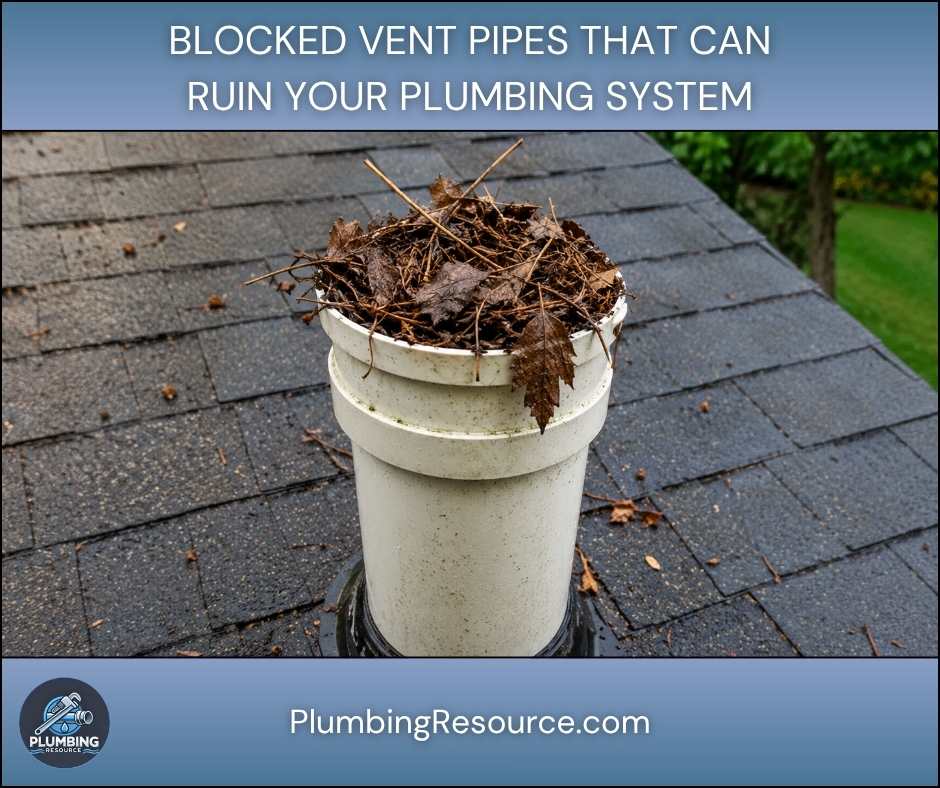
Leaves, insulation, bird nests, and debris buildup can quietly block plumbing vents. As a result, pressure problems develop throughout the plumbing system without obvious visibility.
❌ Why Homeowners Make This Mistake
Many homeowners do not understand the purpose of plumbing vents. Because vent pipes are hidden inside walls or above the roof, they are often ignored completely.
Some people accidentally block vent openings during attic work or remodeling projects. For example, insulation may cover vent pathways near the roofline.
Others believe plumbing vents only remove sewer odors. However, venting also controls airflow and pressure inside drain pipes.
Internet advice can also create confusion. Many homeowners assume slow drains always mean a sewer line blockage. In reality, venting restrictions frequently cause similar symptoms.
🔍 What Happens Inside the Plumbing System
Plumbing vents allow air to enter the drainage system. Therefore, wastewater can flow properly through drain lines and sewer pipes.
When vent pipes become blocked, negative air pressure builds inside the plumbing system. As a result, drains struggle to move wastewater efficiently.
Without proper airflow, draining fixtures create suction inside the pipes. Consequently, water may get pulled from fixture traps.
Once trap seals weaken, sewer gas can enter the home. In addition, trapped pressure can create bubbling toilets, gurgling drains, and inconsistent wastewater flow.
Moisture buildup may also increase inside restricted vent stacks. Over time, this can accelerate corrosion inside older cast iron drain systems.
⚠️ Early Warning Signs Most People Miss
Blocked vent pipes that can ruin your plumbing system usually create small symptoms before major plumbing problems appear.
Gurgling Toilets and Drains
Air pressure struggles inside blocked vent systems. Therefore, toilets and fixtures often make bubbling or sucking noises.
Sewer Gas Odors
Bad smells near sinks, tubs, or showers may indicate trap seal problems caused by venting issues.
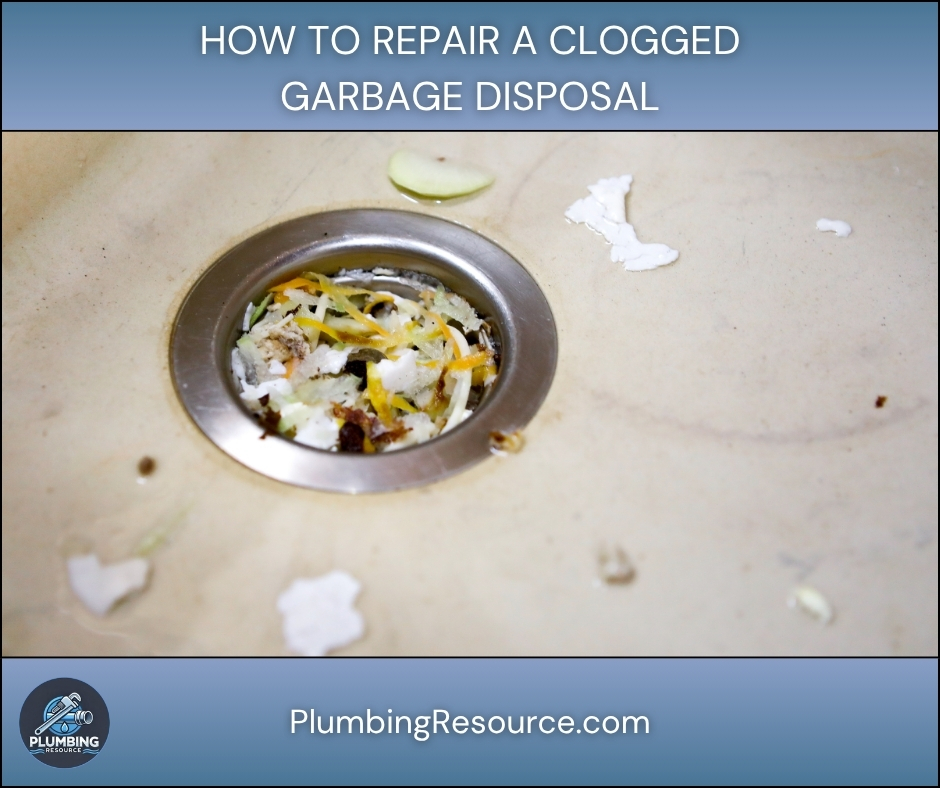
Slow Drains Throughout the Home
Multiple slow fixtures often point toward airflow restrictions instead of localized clogs.
Changing Toilet Water Levels
Blocked vent pipes can disrupt flushing pressure. As a result, toilet bowl water levels may fluctuate unexpectedly.
Intermittent Drainage Problems
Some fixtures may work normally one day and poorly the next. Vent restrictions commonly create inconsistent symptoms.
🛠️ Short-Term Plumbing Problems
Blocked vent pipes quickly affect daily plumbing performance.
First, sinks and tubs may drain slower because wastewater flow becomes restricted. In addition, trapped air pressure can force unpleasant sewer odors back into the house.
Toilets may flush weakly or incompletely. Furthermore, washing machine drains can back up unexpectedly during heavy discharge cycles.
Kitchen sinks may also become noisy while draining. Because airflow remains restricted, wastewater movement becomes unstable inside the pipes.
Over time, these pressure issues place additional stress on fittings, joints, and fixture seals.
💸 Long-Term Damage This Can Cause
Blocked vent pipes that can ruin your plumbing system may eventually lead to serious and expensive damage.
Sewer Gas Exposure
Sewer gas entering the home can create indoor air quality concerns and unpleasant living conditions.
Pipe Corrosion
Moisture and trapped gases can accelerate internal corrosion inside older metal drain pipes.
Wastewater Backups
Improper venting can eventually contribute to severe drainage restrictions and wastewater overflows.
Water Damage
Overflowing fixtures may damage flooring, drywall, cabinets, and subfloors over time.
Mold and Mildew Growth
Repeated moisture exposure can create ideal conditions for mold development behind walls and under flooring.
Expensive Plumbing Repairs
Ignored vent problems may eventually require sewer camera inspections, drain cleaning, pipe repair, or vent stack replacement.
🚫 Common Myths and Bad Advice
“A Sewer Smell Means the Sewer Line Is Broken”
Not always. Many sewer odors actually result from venting issues and dry drain traps.
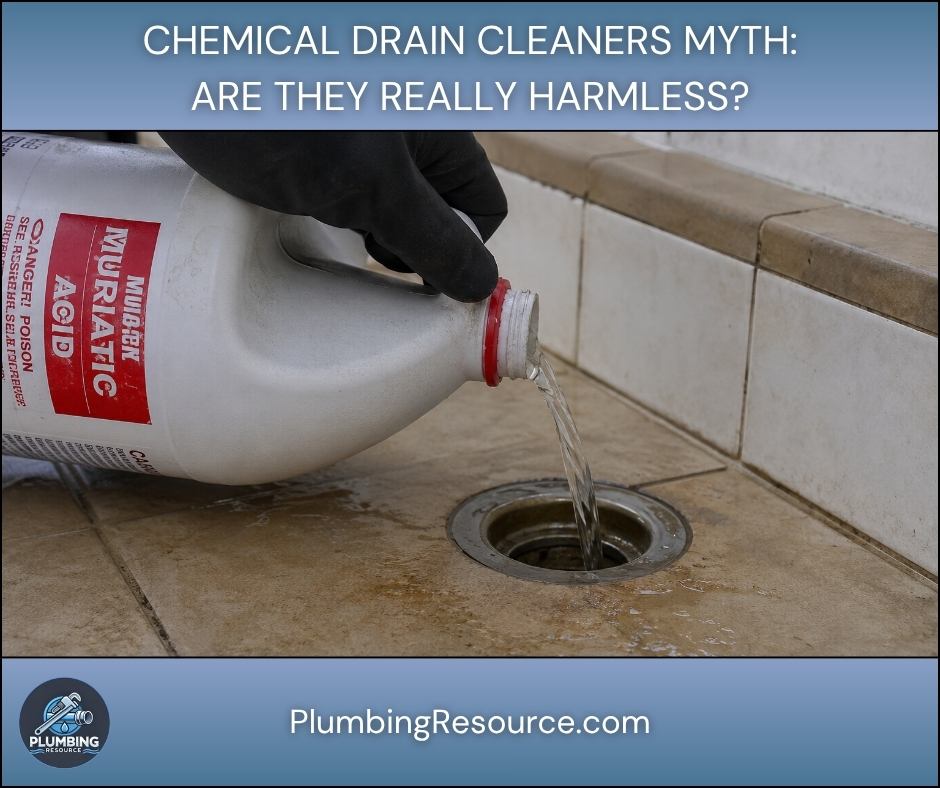
“Chemical Drain Cleaners Fix Slow Drains”
Chemical cleaners rarely solve venting problems. In fact, they may damage pipe walls and fixtures.
“Roof Vent Pipes Never Need Maintenance”
Vent stacks can collect leaves, nesting material, roofing debris, and even small animal blockages.
“One Slow Fixture Means the Entire Sewer Line Is Clogged”
Localized drain issues often affect only one fixture. However, multiple affected fixtures may indicate blocked vent pipes.
“Plumbing Vents Only Remove Odors”
Venting also balances air pressure throughout the plumbing system and protects trap seals.
✅ The Correct Way to Handle the Situation
Proper diagnosis is extremely important when dealing with venting problems.
First, inspect roof vent openings for visible debris or blockage. Leaves, nests, and roofing material commonly obstruct vent stacks.
Next, monitor multiple fixtures throughout the house. Widespread drainage problems often indicate a venting issue instead of a simple drain clog.
Homeowners should also pay attention to recurring sewer odors or bubbling fixtures. In addition, unused drains should occasionally receive water to maintain proper trap seals.
Professional plumbers may use smoke testing, sewer cameras, or specialized vent cleaning equipment to locate hidden restrictions.
Most importantly, avoid forcing sharp tools or makeshift devices into vent pipes. Improper cleaning methods can damage the plumbing system or worsen the blockage.
👨🏻🔧 DIY vs When to Call a Licensed Plumber
DIY Tasks Homeowners Can Safely Handle
Homeowners can usually:
- Remove visible leaves from roof vent openings
- Flush unused drains with water
- Observe fixture behavior during drainage
- Monitor recurring sewer odors
When to Call a Licensed Plumber
Professional plumbing help is recommended when:
- Multiple fixtures drain slowly
- Sewer gas smells continue
- Toilets gurgle frequently
- Wastewater backs up into fixtures
- Vent blockages are deep inside the system
- Roof access creates safety risks
- Specialized diagnostic equipment is required
Licensed plumbers can properly determine whether the problem involves venting, drain lines, sewer pipes, or pipe corrosion.
🧰 Prevention Tips That Actually Work
Inspect Roof Vent Openings Periodically
Check vent stacks after storms, roof repairs, or heavy leaf buildup.
Keep Insulation Away From Vent Pathways
Insulation should never block vent airflow inside attics or wall cavities.
Address Slow Drains Early
Minor drainage problems can become major plumbing issues if ignored.
Schedule Plumbing Inspections
Older homes benefit from periodic drain and vent evaluations.
Watch for Sewer Odors
Recurring sewer smells often indicate early venting or trap seal problems.
Avoid Ignoring Gurgling Fixtures
Bubbling or sucking noises usually signal airflow problems inside the plumbing system.
❓ FAQ
Can blocked vent pipes cause sewer smells?
Yes. Blocked vent pipes can siphon water from drain traps, allowing sewer gas to enter the home.
What blocks plumbing vent pipes?
Common causes include leaves, debris buildup, insulation, bird nests, roofing materials, and animal activity.
Can blocked vent pipes cause slow drains?
Yes. Restricted airflow inside the plumbing system can slow wastewater movement throughout multiple fixtures.
How do plumbers diagnose blocked vent pipes?
Licensed plumbers may use sewer cameras, smoke testing, drain inspections, and specialized vent cleaning equipment.
Are blocked vent pipes dangerous?
They can be. Venting problems may contribute to sewer gas exposure, wastewater backups, and expensive plumbing system damage.
✅ Conclusion
Blocked vent pipes that can ruin your plumbing system are often overlooked until serious plumbing problems develop. However, venting plays a critical role in maintaining safe airflow and proper wastewater drainage throughout the home.
Small warning signs like gurgling drains, sewer odors, and slow fixtures should never be ignored. Therefore, early diagnosis and proper maintenance can help prevent expensive plumbing repairs later.
Understanding how plumbing vents work helps homeowners protect their drain lines, sewer systems, fixtures, and overall indoor environment.
👋🏼 Before You Go…
If this article helped you understand venting problems better, save it for future reference. Also, share it with homeowners who may be dealing with sewer smells, slow drains, or hidden plumbing system issues.