A homeowner finishes a bathroom remodel and feels proud of the work. At first, the sinks and shower appear to drain normally. However, within a few weeks, strange odors begin spreading through the house.
Soon after, the toilets start bubbling, the drains gurgle loudly, and sewer smells appear near several fixtures. Unfortunately, hidden plumbing venting problems that lead to sewer gas issues often begin this way.
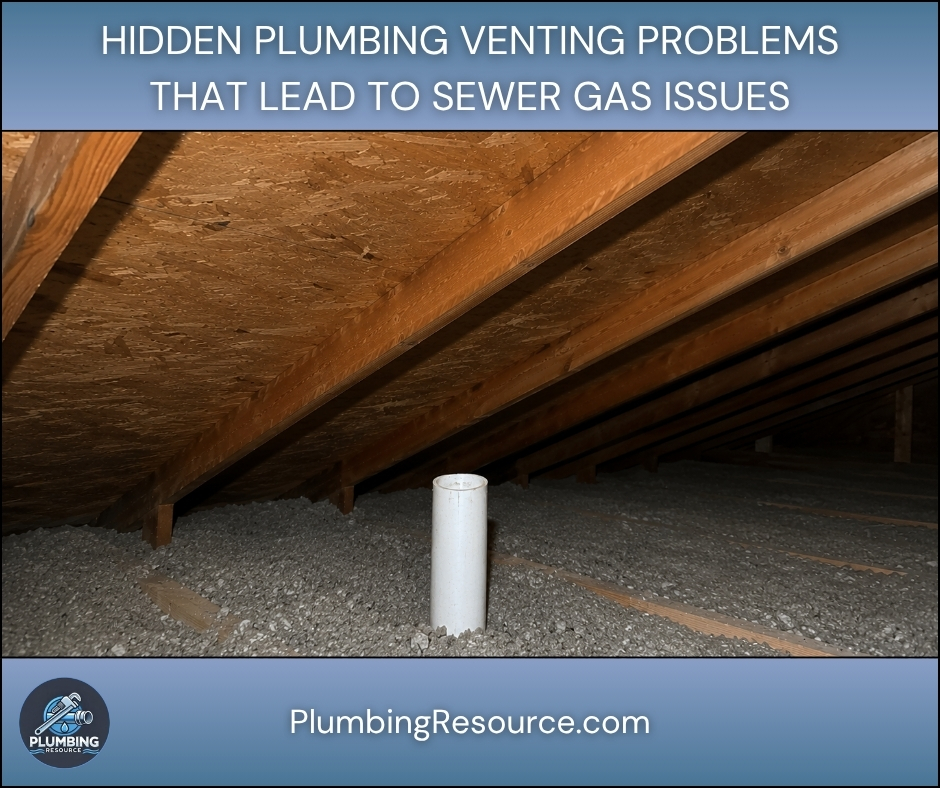
Because vent pipes are hidden behind walls and above ceilings, many homeowners never realize they accidentally damaged a critical part of the plumbing system during repairs or remodeling projects.
❌ Why Homeowners Make This Mistake
Many plumbing repairs focus heavily on drain pipes and water supply lines. However, homeowners often underestimate the importance of proper venting.
Online tutorials frequently simplify plumbing work and fail to explain how vent stacks regulate airflow inside the drainage system. As a result, many people assume vents are optional or easy to reroute.
Some homeowners also believe that if wastewater drains away, the plumbing system must be functioning properly. Unfortunately, plumbing venting problems can quietly develop long before visible drainage failures appear.
In addition, vent pipes usually remain hidden inside walls, attics, or roofs. Therefore, problems often go unnoticed until sewer gas enters the home.
🔍 What Happens Inside the Plumbing System
Plumbing vents allow air to enter the drainage system. This airflow balances pressure inside drain lines and sewer pipes.
When venting becomes blocked, disconnected, undersized, or improperly installed, negative pressure develops inside the plumbing system. Consequently, fixtures begin struggling to drain properly.
Without adequate airflow:
- Wastewater drains slowly
- Traps can siphon dry
- Sewer gas escapes indoors
- Drains begin gurgling
- Toilets bubble during flushing
Plumbing traps normally hold water to block sewer gases from entering the home. However, hidden plumbing venting problems that lead to sewer gas issues often pull water out of those traps.
Once trap seals fail, harmful sewer gases can move freely into living spaces.
⚠️ Early Warning Signs Most People Miss
Many venting problems develop slowly. Therefore, homeowners often ignore the early symptoms.
Watch for these warning signs:
- Gurgling sinks or tubs
- Sewer odors near drains
- Bubbling toilet water
- Slow drainage in multiple fixtures
- Intermittent bad smells
- Water disappearing from floor drains
- Air bubbles during draining
Sometimes the symptoms seem random. For example, one fixture may only smell after another fixture drains nearby.
Because these signs appear inconsistent, homeowners may mistakenly blame individual fixtures instead of the venting system itself.
🛠️ Short-Term Plumbing Problems
Improper venting quickly creates noticeable plumbing disruptions throughout the house.
At first, homeowners may experience:
- Slow drains
- Frequent clogs
- Noisy drain lines
- Weak toilet flushing
- Sewer odors
- Drain backups
In addition, poor venting can increase strain on drain lines because wastewater no longer flows efficiently through the plumbing system.
This added stress often causes buildup to collect faster inside pipe walls and branch drain lines.
💸 Long-Term Damage This Can Cause
Hidden plumbing venting problems that lead to sewer gas issues can eventually create serious and expensive damage.
Over time, chronic sewer gas exposure may affect indoor air quality and introduce bacteria into living areas. In addition, persistent moisture and drainage issues can damage structural materials behind walls and beneath flooring.
Long-term damage may include:
- Sewer line backups
- Mold and mildew growth
- Water damage inside walls
- Corrosion inside drain pipes
- Damaged flooring and cabinets
- Rotten framing materials
- Expensive plumbing repairs
Improper venting may also violate local plumbing code requirements. Consequently, homeowners often face costly corrections during inspections or future remodeling projects.
🚫 Common Myths and Bad Advice
“If water drains, the venting is fine.”
Water may still drain temporarily even with serious venting issues. However, pressure imbalances usually worsen over time.
“Sewer smells only come from dirty drains.”
Although dirty drains can smell unpleasant, sewer gas odors often indicate failed trap seals caused by venting problems.
“Air admittance valves fix every vent issue.”
Air admittance valves work only in certain situations and must meet plumbing code requirements. They are not universal solutions.
“Vent pipes can connect anywhere.”
Improper vent connections disrupt airflow and may allow sewer gases to spread throughout the plumbing system.
✅ The Correct Way to Handle the Situation
Proper venting design is essential during plumbing repairs and remodeling projects.
Homeowners should:
- Preserve existing vent pathways whenever possible
- Follow local plumbing code
- Use properly sized vent pipes
- Protect fixture trap seals
- Avoid unapproved vent rerouting
- Inspect vent stacks for blockages
In addition, major plumbing changes should always include drainage and venting evaluations together.
A properly vented plumbing system allows wastewater to move efficiently while preventing sewer gases from entering the home.
👨🏻🔧 DIY vs When to Call a Licensed Plumber
Some minor vent maintenance tasks may be safe for homeowners. For example, removing debris from a roof vent opening can sometimes restore airflow.
However, most plumbing venting problems require professional diagnosis and repair.
Call a licensed plumber when:
- Sewer gas odors persist
- Multiple fixtures drain slowly
- Toilets bubble or gurgle
- Remodeling changes drain locations
- Vent pipes need rerouting
- Plumbing code compliance is required
Licensed plumbers understand vent sizing, airflow balancing, trap protection, and drainage system behavior. Therefore, professional repairs help prevent long-term plumbing failures.
🧰 Prevention Tips That Actually Work
Preventing hidden plumbing venting problems starts with understanding how important airflow is inside the plumbing system.
Follow these practical prevention tips:
- Never remove vent pipes casually
- Avoid copying unverified online plumbing advice
- Inspect roof vent openings regularly
- Address sewer odors immediately
- Schedule plumbing inspections during remodels
- Test drainage after major repairs
- Use licensed plumbers for complex projects
- Keep drain traps filled with water
In addition, homeowners should monitor for slow drains and unusual plumbing sounds after remodeling work.
Early detection often prevents much larger plumbing repairs later.
❓ FAQ
What causes sewer gas smells inside a house?
Sewer gas odors often develop when plumbing traps lose their water seals because of venting problems, drain issues, or trap siphoning.
Can plumbing venting problems affect every drain?
Yes. A damaged or blocked vent stack can disrupt airflow throughout the entire plumbing system.
Are sewer gas odors dangerous?
Sewer gases may contain harmful bacteria and unpleasant contaminants. Therefore, persistent sewer odors should always be investigated quickly.
How do I know if my plumbing vent is blocked?
Common signs include gurgling drains, bubbling toilets, slow drainage, sewer odors, and inconsistent fixture performance.
Can homeowners repair plumbing venting problems themselves?
Minor maintenance may be possible. However, major venting repairs usually require professional plumbing knowledge and code compliance.
✅ Conclusion
Hidden plumbing venting problems that lead to sewer gas issues can quietly create serious plumbing failures inside a home. Although the symptoms may start small, improper venting eventually disrupts drainage, damages fixtures, and allows sewer gases to enter living spaces.
Because vent systems regulate airflow throughout the plumbing network, even small venting mistakes can produce widespread plumbing problems over time.
Understanding the warning signs, correcting venting issues properly, and using safe plumbing practices can help homeowners avoid expensive repairs and dangerous sewer gas exposure.
👋🏼 Before You Go…
If you found this guide helpful, save it for future plumbing projects and share it with other homeowners. Understanding plumbing venting problems early can help prevent sewer gas issues, costly drain repairs, and hidden plumbing damage later on.