Quick Answer
No, ice cubes do not sharpen garbage disposal blades because most garbage disposals do not actually have sharp blades. Ice can help remove light buildup and clean certain components, but it cannot sharpen the metal grinding surfaces inside the unit.
Introduction
Many homeowners have heard the advice that throwing a handful of ice cubes into a garbage disposal will sharpen the blades and make the unit work like new again. The idea has been passed around for years through family advice, home improvement shows, and social media videos. Unfortunately, the Garbage Disposal Ice Myth is based on a misunderstanding of how a garbage disposal actually works.
As a licensed plumber, I regularly find homeowners surprised to learn that their disposal does not contain knife-like blades at all. Because of that, believing this myth can lead people to ignore real maintenance issues until the disposal begins clogging, leaking, or failing altogether.
Understanding how your plumbing system works can help you avoid expensive repairs and extend the life of your equipment.
The Myth
The common belief is simple:
“Running ice cubes through your garbage disposal sharpens the blades.”
Many people also believe that adding rock salt, lemon peels, or dish soap while grinding ice creates a complete disposal maintenance routine.
You may hear this advice from:
- Family members
- Old home maintenance guides
- Social media videos
- DIY blogs
- Television home improvement programs
- Well-meaning neighbors
While there is a small amount of truth hidden inside this advice, the main claim is incorrect.
The Fact
The truth is that most household garbage disposals do not use sharpened cutting blades.
Instead, they work with:
- A spinning impeller plate
- Small lugs or impellers attached to that plate
- A stationary grinding ring
When the motor spins, centrifugal force pushes food waste against the grinding ring, where it is broken into tiny particles that can safely travel through the drain system.
Because these grinding components are not designed to function like kitchen knives, ice cubes cannot sharpen them.
From years of field experience, I have seen countless garbage disposals that homeowners thought had “dull blades.” In reality, the problem was usually one of these issues:
- Grease buildup
- Jammed impellers
- Worn bearings
- Motor failure
- Drain blockages
- Foreign objects lodged inside the unit
However, ice can still provide one useful benefit.
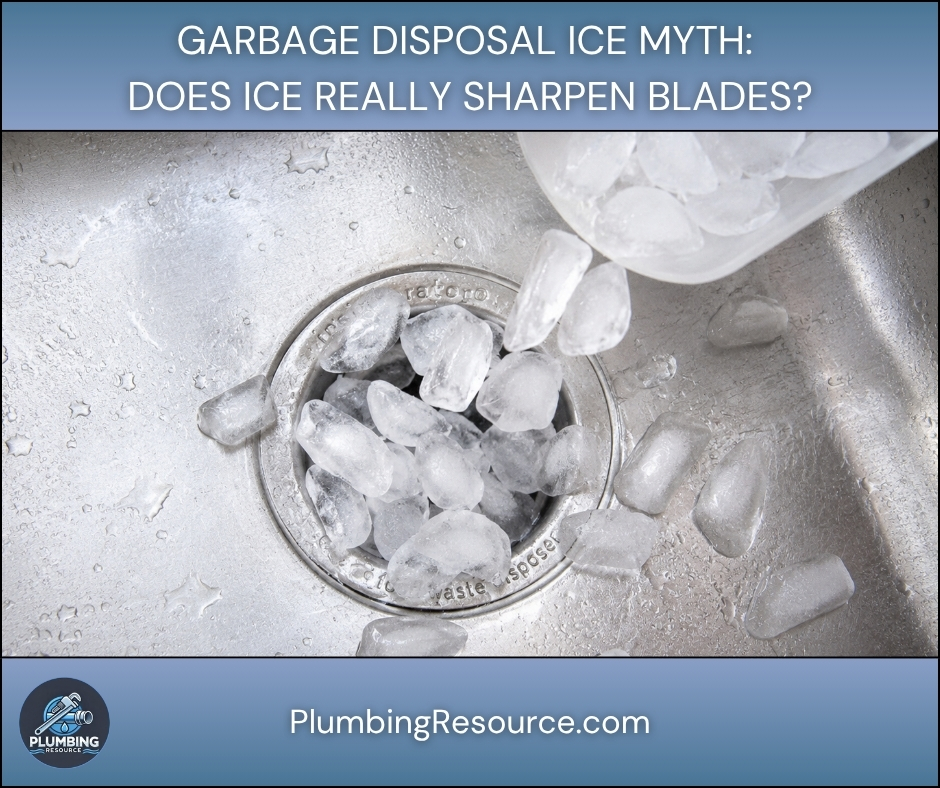
As the cubes break apart, they can help knock loose soft grease deposits and debris that have accumulated around the grinding chamber. This cleaning action may improve odors and remove minor buildup, but it should never be confused with sharpening.
Why This Myth Exists
The Garbage Disposal Ice Myth probably started because people noticed their disposals seemed to work better after running ice through them.
There are several reasons this happens.
Ice Helps Remove Buildup
Small grease deposits and food residue can collect inside the disposal housing. Ice can help scrape away some of this material.
Ice Creates More Noise
After cleaning the chamber, the disposal may sound stronger or smoother. Many homeowners mistake this change in sound for sharper blades.
Older Maintenance Advice
Older homeowner guides often recommended ice without fully explaining why it worked.
Social Media Simplification
Many online videos reduce plumbing topics into quick tips that sound convincing but leave out important technical details.
As plumbers, we often spend more time correcting plumbing myths than fixing the actual problem.
What Can Actually Happen
Believing the Garbage Disposal Ice Myth is usually harmless by itself, but relying on it instead of proper maintenance can create bigger issues.
Hidden Clogs Continue to Grow
If a drain is partially blocked by grease or food waste, ice will not remove the obstruction.
Over time, the clog may become severe enough to cause sink backups.
Mechanical Problems Go Unnoticed
A disposal that hums, leaks, or trips the reset button may have mechanical damage that requires repair or replacement.
Ice cubes will not fix worn bearings or failing motors.
Odor Problems Return
If bacteria and grease remain inside the disposal or drain piping, unpleasant odors will continue.
Foreign Objects Stay Stuck
Silverware, bottle caps, fruit pits, and other hard objects can become lodged inside the grinding chamber.
Attempting repeated ice treatments may delay the proper repair.
Costly Plumbing Repairs
Ignoring the true cause of disposal problems can eventually lead to:
- Drain cleaning service
- Disposal replacement
- Sink drain repairs
- Cabinet water damage
- Plumbing leaks
- Emergency service calls
In my experience, small maintenance problems almost always cost less to fix than major plumbing failures.
What You Should Do Instead
If you want to keep your garbage disposal working properly, follow a maintenance routine that is actually supported by plumbing practice.
Step 1: Use Plenty of Cold Water
Always run cold water before, during, and after operating the disposal.
Cold water helps grease remain solid so it can be carried through the system instead of coating the pipes.
Step 2: Grind Food Gradually
Feed food waste slowly instead of dumping everything into the disposal at once.
This prevents jams and overloads.
Step 3: Avoid Problem Materials
Never place these items into your disposal:
- Grease
- Cooking oil
- Coffee grounds
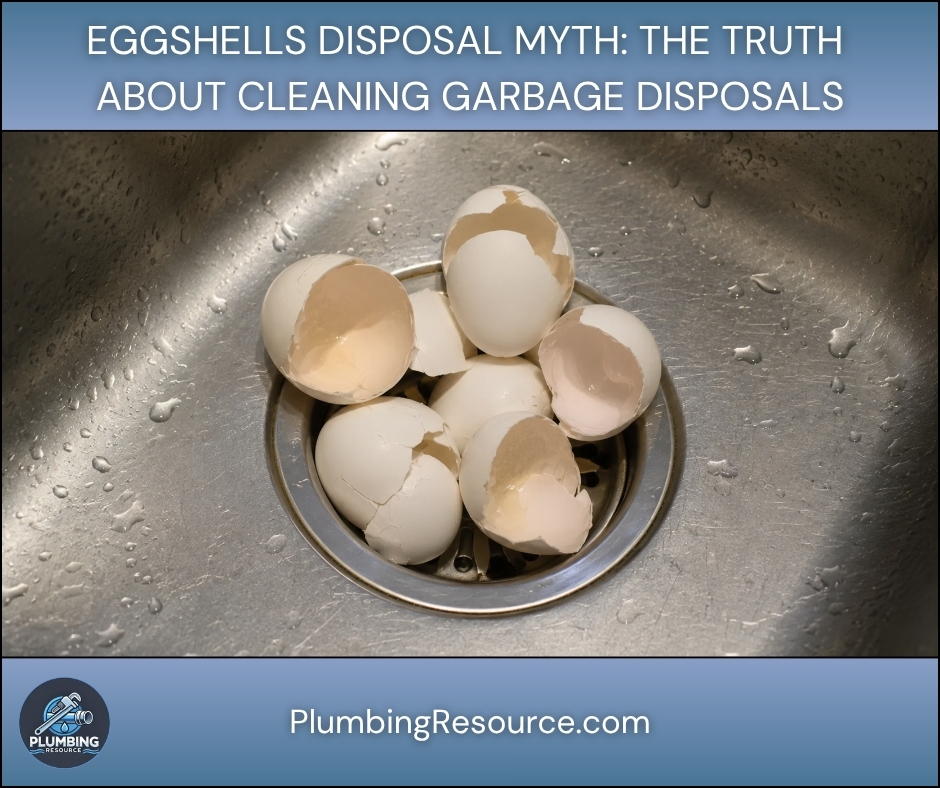
- Eggshells in large quantities
- Pasta
- Rice
- Fibrous vegetables
- Bones
- Corn husks
- Celery stalks
Step 4: Use Ice as a Cleaner, Not a Sharpener
Running a few ice cubes occasionally can help clean minor buildup.
Just remember that you are cleaning the grinding chamber, not sharpening blades.
Step 5: Clean the Splash Guard
Many odors come from the rubber splash guard.
Lift the flaps and clean underneath them with a brush and mild soap.
Step 6: Know When to Call a Plumber
Contact a professional if your disposal:
- Leaks
- Frequently jams
- Makes grinding or metal noises
- Trips electrical protection
- Hums without spinning
- Causes repeated drain backups
- Produces persistent foul odors
Professional diagnosis can often prevent much larger plumbing problems. However, if the unit is old, leaking, or has suffered mechanical failure, replacement may be the most cost-effective solution. If you’re considering installing a new unit yourself, check out our complete guide on How to Install a Garbage Disposal for a step-by-step walkthrough.
From years in the plumbing trade, one lesson stands out:
Proper maintenance always outperforms plumbing myths.
A few minutes of correct care can add years to the life of your garbage disposal while protecting the rest of your home’s drainage system.
Common Questions About the Garbage Disposal Ice Myth
Does ice sharpen garbage disposal blades?
No. Most garbage disposals do not have sharpened blades. They use grinding components that break down food waste, so ice cannot sharpen them.
Why do people say ice helps a garbage disposal?
Ice can help remove minor grease buildup and food residue from the grinding chamber. This cleaning effect may make the disposal seem like it is working better.
Is it safe to put ice cubes in a garbage disposal?
Yes. Most manufacturers consider occasional ice use safe for cleaning purposes. However, it should not be relied upon as a repair or maintenance solution.
What is the best way to clean a garbage disposal?
Run cold water while using the disposal, clean the rubber splash guard regularly, and occasionally use ice to help remove buildup. Avoid pouring grease or oil down the drain.
When should I call a plumber for a garbage disposal problem?
You should contact a plumber if the disposal leaks, frequently jams, hums without spinning, trips the reset button, causes repeated drain backups, or makes unusual grinding noises.
Final Verdict
Myth or Fact?
MYTH
Ice cubes may help clean the inside of a garbage disposal, but they do not sharpen the grinding components because most disposals do not contain sharpened blades.
As a licensed plumber, I often find that homeowners spend time trying popular internet tricks when a disposal actually needs proper cleaning, repair, or replacement. Understanding how your disposal works can help you avoid unnecessary expenses and keep your plumbing system operating efficiently.
The bottom line is simple:
Use ice as a cleaning aid, not as a sharpening tool. Proper maintenance and good disposal habits will do far more to extend the life of your unit than any plumbing myth.
Related Plumbing Myths
If you found this article helpful, you may also want to read these common plumbing myths:
- Does Lemon Clean Your Garbage Disposal?
- Are Chemical Drain Cleaners Safe for Pipes?
- Does Hot Water Remove Grease from Drains?
- Can You Flush Paper Towels?
- Do Tankless Water Heaters Need Maintenance?
Key Takeaways
- Ice cubes do not sharpen garbage disposal blades.
- Most garbage disposals use grinding components instead of cutting blades.
- Ice can help remove minor buildup and debris.
- Grease and food residue are common causes of disposal odors.
- Proper maintenance prevents expensive plumbing repairs.
- Avoid putting grease, oils, bones, and fibrous foods into the disposal.
- Regular cleaning of the splash guard improves sanitation and reduces smells.
- Call a plumber when mechanical problems develop.