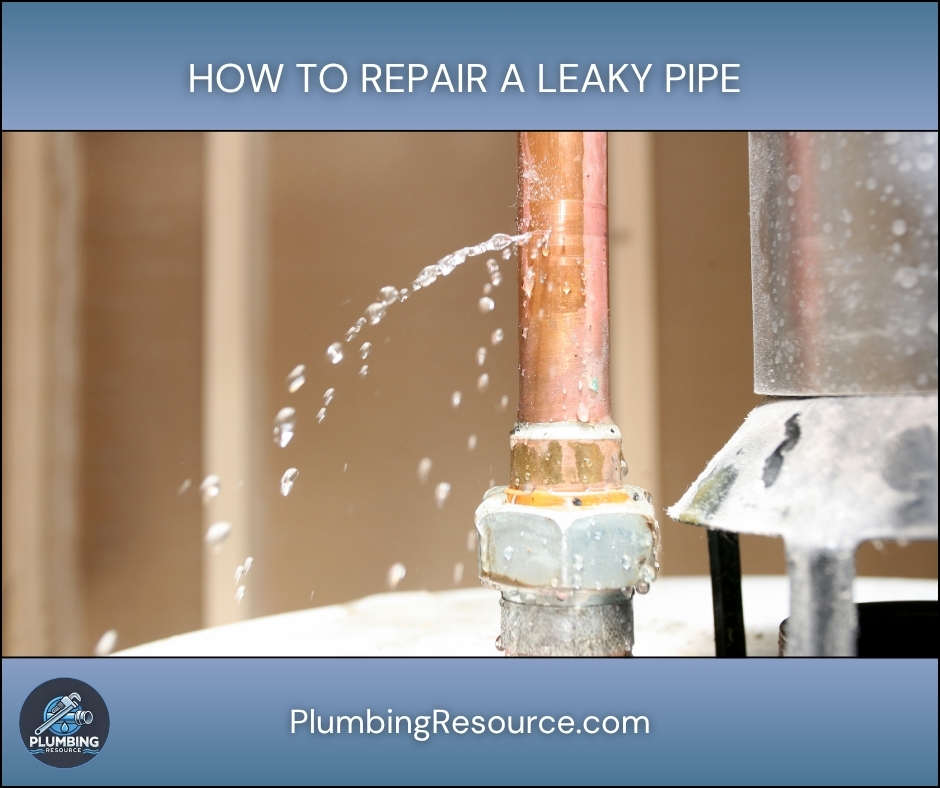
A leaking pipe can quickly cause water damage, mold growth, and expensive repairs 💧. Therefore, learning how to repair a leaky pipe is an important skill for homeowners and DIYers.
Whether the leak is small or severe, this guide explains every step in detail. In addition, you will learn how to repair copper, PVC, PEX, and galvanized pipe leaks safely and correctly.
🔍 Understanding the Project
Before you begin, it helps to understand why pipes leak in the first place.
Most pipe leaks happen because of corrosion, high water pressure, freezing temperatures, loose fittings, or aging plumbing materials. In addition, constant vibration and pipe movement can slowly weaken joints over time.
Common warning signs include:
- Water stains on walls or ceilings
- Dripping sounds behind walls
- Reduced water pressure
- Mold or mildew smells
- Rust or corrosion on pipes
- Higher water bills
Ignoring a leaking pipe can lead to serious structural damage. Furthermore, untreated leaks may damage flooring, drywall, insulation, and cabinets.
Small leaks also tend to become larger over time. Therefore, addressing the problem early can prevent much larger plumbing repairs later.
🧰 Tools & Materials
Before you begin, gather the proper tools and materials.
🔨 Basic Tools
- Adjustable wrench
- Pipe wrench
- Tubing cutter
- PVC cutter
- Bucket
- Towels or rags
- Flashlight
- Utility knife
- Measuring tape
- Sandpaper or emery cloth
🛠️ Repair Materials
- Pipe repair clamp
- Epoxy putty
- Pipe repair tape
- Replacement pipe
- Couplings
- PVC primer and cement
- PEX fittings and crimp rings
- Teflon tape
- Pipe thread sealant
🦺 Safety Equipment
🛠️ Step-by-Step Guide: How To Repair a Leaky Pipe
Safety should always come first. Therefore, never start repairs without shutting off the water.
1️⃣ Shut Off the Water Supply
First, locate the nearest shutoff valve.
- Turn the valve clockwise to stop water flow.
- If no local valve exists, shut off the home’s main water supply.
- Then, open nearby faucets to drain remaining water.
Next, place towels and a bucket under the leak.
2️⃣ Identify the Pipe Material
Different pipes require different repair methods.
🟤 Copper Pipe
Copper has a reddish metal appearance.
⚪️ PVC Pipe
PVC is rigid white plastic.
🟡 CPVC Pipe
CPVC is cream or tan colored.
🔵 PEX Pipe
PEX is flexible tubing. It is often red, blue, or white.
🔘 Galvanized Pipe
Galvanized pipe is gray steel with threaded fittings.
Correct identification is critical because repair materials vary by pipe type.
🎯 How To Repair a Leaky Pipe With Pipe Repair Tape
Pipe repair tape works best for temporary repairs.
1️⃣ Dry the Pipe
First, wipe the pipe completely dry.
2️⃣ Wrap the Tape
Next, stretch the tape tightly while wrapping around the leak.
- Overlap each layer by about half the tape width.
- Continue several inches past the damaged area.
3️⃣ Test the Repair
Finally, slowly restore water pressure and inspect for leaks.
However, remember this method is temporary.
🧪 How To Repair a Leaky Pipe Using Epoxy Putty
Epoxy putty works well for pinhole leaks and small cracks.
1️⃣ Prepare the Pipe
First, clean the pipe thoroughly.
Then, roughen the surface lightly with sandpaper.
2️⃣ Mix the Putty
Next, knead the epoxy until the color becomes uniform.
3️⃣ Apply the Putty
Press the putty firmly over the leak.
In addition, extend the putty slightly beyond the damaged area.
4️⃣ Allow It To Cure
Finally, let the putty harden completely before restoring water.
🔧 How To Repair a Leaky Pipe by Replacing a Damaged Section
Permanent repairs usually require replacing damaged pipe sections.
1️⃣ Cut Out the Damaged Pipe
First, measure the damaged area carefully.
Then, use the proper cutter for the pipe type.
- Copper: tubing cutter
- PVC: PVC cutter
- PEX: PEX cutter
Always cut beyond the damaged section.
2️⃣ Prepare the Pipe Ends
Next, smooth rough edges with sandpaper or a deburring tool.
Clean surfaces help fittings seal correctly.
3️⃣ Install the New Pipe Section
The installation process depends on the pipe material.
🟤 Copper Pipe Repair
- Use couplings and solder connections.
- Alternatively, use push-fit fittings.
⚪️ PVC Pipe Repair
- Apply primer first.
- Then, apply PVC cement.
- Push fittings together quickly.
🔵 PEX Pipe Repair
- Install crimp fittings or push-fit connectors.
- Secure all crimp rings properly.
🔘 Galvanized Pipe Repair
- Remove threaded fittings carefully.
- Apply thread sealant before installing new fittings.
4️⃣ Restore Water Slowly
Finally, turn the water back on slowly.
Inspect every connection carefully.
⚠️ Common Mistakes
Avoid these common pipe repair mistakes:
- Forgetting to shut off the water
- Using the wrong repair materials
- Overtightening fittings
- Leaving moisture before applying epoxy
- Ignoring nearby corrosion
- Relying on temporary repairs permanently
In addition, rushing repairs often leads to repeat leaks.
💡 Pro Tips
- Keep emergency repair clamps at home.
- Label your home’s main shutoff valve.
- Replace severely corroded pipe sections completely.
- Inspect nearby fittings for additional leaks.
- Check water pressure regularly.
Furthermore, insulating exposed pipes can help prevent future freezing damage ❄️.
🔧 Troubleshooting
The Pipe Still Leaks
First, shut the water off again.
Then, inspect for:
- Loose fittings
- Damaged threads
- Improper glue curing
- Poor solder joints
Water Pressure Is Low After Repair
Low pressure may indicate:
- Debris inside the pipe
- Partially closed shutoff valves
- Crimped PEX tubing
The Repair Area Looks Wet
Sometimes condensation appears similar to a leak.
Therefore, dry the pipe completely and monitor it closely.
👨🏻🔧 When to Call a Professional
Some leaks require professional plumbing repairs.
Call a licensed plumber if:
- The leak is inside walls
- The pipe burst severely
- Multiple leaks exist
- You smell gas
- The plumbing system is heavily corroded
- You cannot stop the leak safely
Additionally, slab leaks should always be professionally diagnosed.
❓ FAQ
Can I repair a leaky pipe without replacing it?
Yes. Small leaks can often be repaired temporarily using tape, clamps, or epoxy putty. However, permanent repairs usually require replacing damaged pipe sections.
What is the best temporary pipe leak repair?
Pipe repair clamps are one of the best temporary solutions. In addition, epoxy putty works well for small leaks.
How do I repair a leaking copper pipe?
You can repair copper pipes using soldered couplings or push-fit fittings. However, severe corrosion may require replacing larger sections.
Can I repair PVC pipe leaks myself?
Yes. PVC pipe repairs are usually beginner-friendly. Therefore, many homeowners can complete the repair successfully.
How long do temporary pipe repairs last?
Temporary repairs may last days or months. However, they should never replace proper permanent repairs.
✅ Conclusion
Learning how to repair a leaky pipe can help you prevent costly water damage and protect your home 🏠.
By following these step-by-step instructions, you can safely identify leaks, make repairs, and know when professional help is necessary. In addition, regular plumbing inspections can help prevent future leaks before they become major problems.
👋🏼 Before You Go…
If this guide helped you fix your sink, then save it for future reference. Also, share it with someone dealing with a clogged drain.
And if you want more expert plumbing tips, check out more guides on your site to stay ahead of costly problems.