If you need to How To Unclog a Sink, you’re not alone. A clogged or slow-draining sink is one of the most common plumbing issues homeowners face. Fortunately, you can usually fix the problem yourself using a few simple tools and the right step-by-step approach.
Whether your sink drains slowly, backs up completely, or makes strange gurgling sounds, this guide will show you exactly what to do. In addition, you’ll learn how to prevent future clogs and avoid common mistakes that can make the issue worse.
🔍 Understanding the Project
A sink usually clogs because debris builds up inside the drain pipe over time. In kitchen sinks, grease, food particles, and soap residue are the most common causes. However, bathroom sinks often clog because of hair, toothpaste, and soap scum.
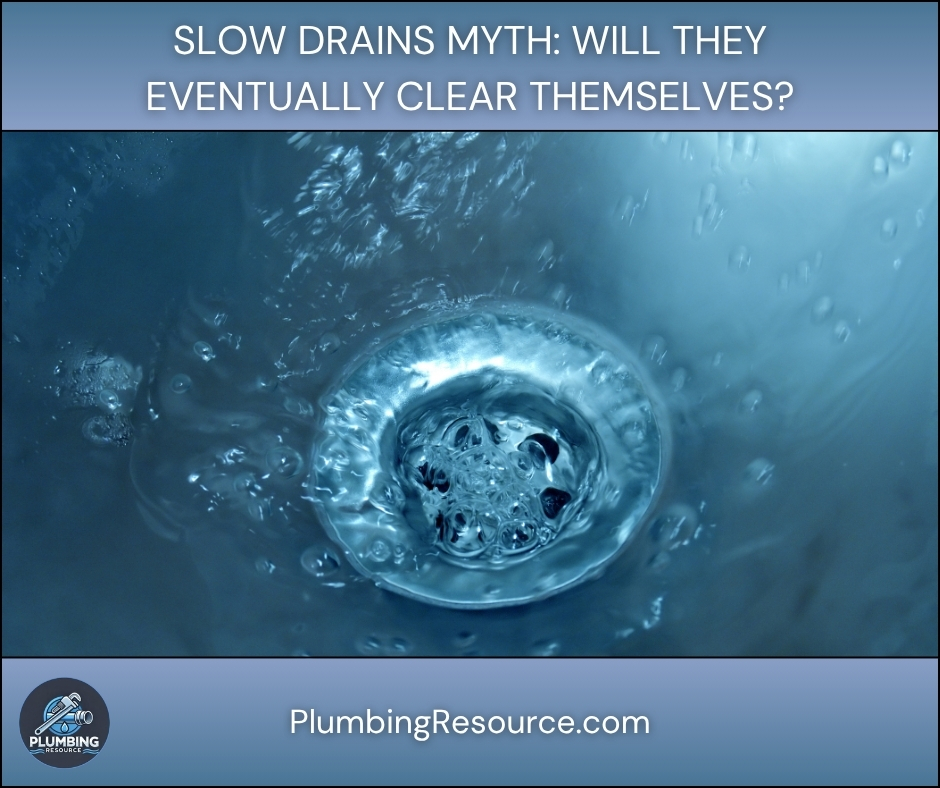
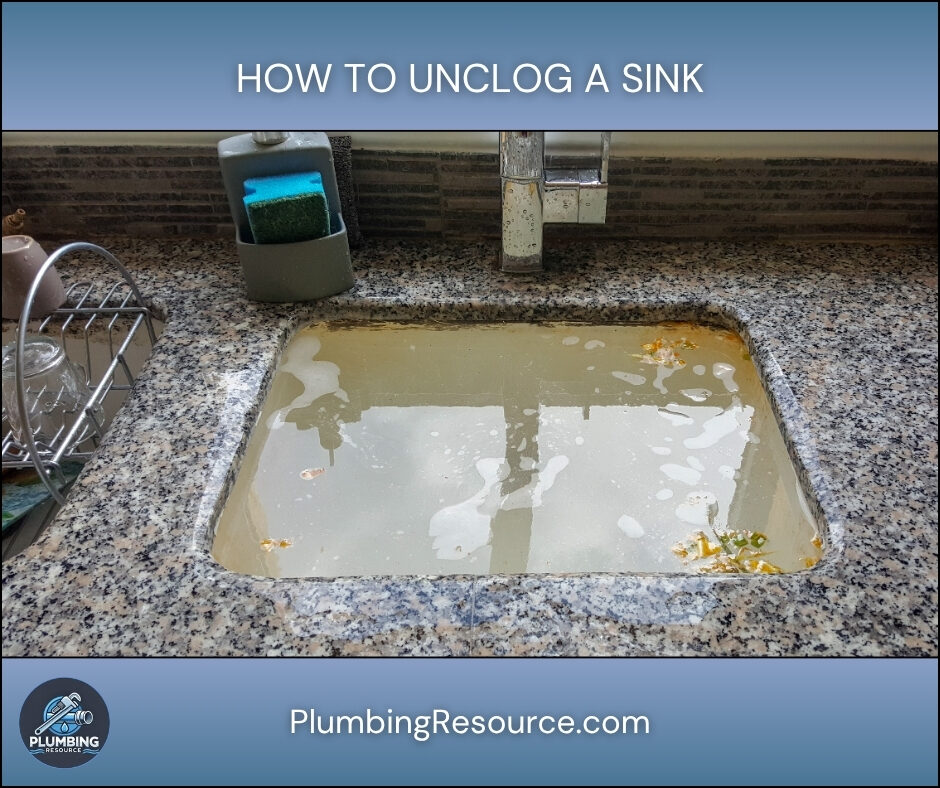
At first, you may notice water draining slowly. Then, the problem can become worse until the sink stops draining completely. In some cases, you may also hear gurgling sounds or smell unpleasant odors coming from the drain.
Ignoring a clogged sink can lead to standing water, pipe damage, foul smells, and even leaks under the sink. Therefore, it’s important to address the problem early before the blockage becomes more severe.
Fortunately, most homeowners can unclog a sink successfully without needing professional plumbing service.
🧰 Tools & Materials
Before you start, make sure you have the right tools. Having these ready will make it much easier to unclog a sink effectively.
🪠 Sink Plunger
Best for: Basic clogs and standing water
- Designed for flat sink drains
- Creates proper suction
- First tool to use
🐍 Drain Snake (Hand Auger)
Best for: Deep clogs
- Reaches inside pipes
- Breaks or pulls out debris
- Essential for tough clogs
🧴 Baking Soda and Vinegar
Best for: Natural cleaning
- Safe for pipes
- Breaks down buildup
- Good for maintenance
🔧 Adjustable Wrench or Pliers
Best for: Removing the P-trap
- Loosens slip nuts
- Allows pipe removal
- Useful for deeper cleaning
🪣 Bucket and Gloves
Best for: Clean work
- Catches water
- Protects hands
- Keeps area controlled
🛠️ Step-by-Step Guide: How To Unclog a Sink
🔍 Identify the Problem Before You Unclog a Sink
Before you try anything, determine what kind of clog you’re dealing with.
- Slow drain → buildup inside pipe
- Standing water → full blockage
- Gurgling → partial clog
- Multiple drains → possible main line issue
Choosing the right method will help get your sink draining faster and more effectively.
Method 1: Boiling Water to Unclog a Sink

Best for: grease and light buildup
Steps:
- Bring water to a boil
- Pour half into the drain
- Wait 1–2 minutes
- Pour the rest
- Test drainage
This is often the fastest way to clear a sink drain clog caused by grease. If grease is your issue, see How to Unclog a Kitchen Sink.
Method 2: Baking Soda and Vinegar

Best for: organic buildup
Steps:
- Add 1 cup baking soda
- Add 1 cup vinegar
- Let sit for 15–30 minutes
- Flush with hot water
This method helps break down debris naturally.
Method 3: Use a Plunger to Unclog a Sink

Best for: full clogs
Steps:
- Seal overflow opening
- Add water to sink
- Position plunger
- Pump for 20–30 seconds
- Test
This is one of the most effective ways to unclog a sink quickly.
Method 4: Use a Drain Snake

Best for: deeper clogs
Steps:
- Insert snake
- Rotate while pushing
- Break or grab clog
- Pull debris out
- Flush with water
A drain snake is essential when basic methods fail.
Method 5: Clean the P-Trap to Unclog a Sink

Best for: stubborn clogs
Steps:
- Place bucket under sink
- Loosen slip nuts
- Remove P-trap
- Clean thoroughly
- Reinstall and test
The P-trap is one of the most common places where clogs form.
🔍 When You Can’t Unclog a Sink
If none of these methods work, the clog may be deeper in your plumbing system.
Signs of a bigger issue:
- Multiple drains clogged
- Water backing up
- Gurgling in other fixtures
- Sewer odors
This usually indicates a main drain line blockage.
⚠️ Common Mistakes
- Pouring grease down the drain
- Using too many chemical cleaners
- Ignoring slow drains
- Using the wrong tools
- Forcing tools into pipes
Avoiding these mistakes will help prevent bigger problems.
💡 Pro Tips
- Start with the least aggressive method
- Fix slow drains early
- Keep a drain snake available
- Use strainers in all sinks
🔧 Troubleshooting
The Sink Still Drains Slowly
The clog may be partially cleared. Therefore, repeat the plunging or drain snake process.
Water Backs Up Into Another Fixture
This usually indicates a deeper drain or main sewer line problem.
The Drain Smells Bad
Food debris or buildup may still be inside the pipe. Try flushing the drain again with hot water and vinegar.
The Plunger Does Not Work
Check that the overflow opening is sealed properly. Otherwise, suction may be weak.
👨🏻🔧 When to Call a Professional
Sometimes a clog is too severe for DIY methods.
You should contact a professional plumber if:
- Multiple drains are clogged
- Water backs up repeatedly
- Sewer odors are strong
- The drain keeps clogging frequently
- You suspect a main sewer line issue
A licensed plumber can inspect the system and use advanced equipment if necessary.
❓ FAQ:
What is the fastest way to unclog a sink?
Boiling water is the fastest method for grease-related clogs.
Can you unclog a sink without tools?
Yes, baking soda and vinegar can help with minor clogs.
Why does my sink keep clogging?
Recurring buildup or improper usage habits.
When should you call a plumber?
If multiple drains are clogged or nothing works.
✅ Conclusion
Learning How To Unclog a Sink can save you time, money, and frustration. Fortunately, most sink clogs can be cleared using simple tools and proven methods.
If you follow the correct steps and address the issue early, you can restore proper drainage and help prevent future plumbing problems.
👋🏼 Before You Go…
If this guide helped you fix your sink, then save it for future reference. Also, share it with someone dealing with a clogged drain.
And if you want more expert plumbing tips, check out more guides on your site to stay ahead of costly problems.