You notice a small amount of water around the base of the toilet after flushing. At first, it seems minor. Therefore, you wipe it up and assume the bathroom floor simply got wet during cleaning.
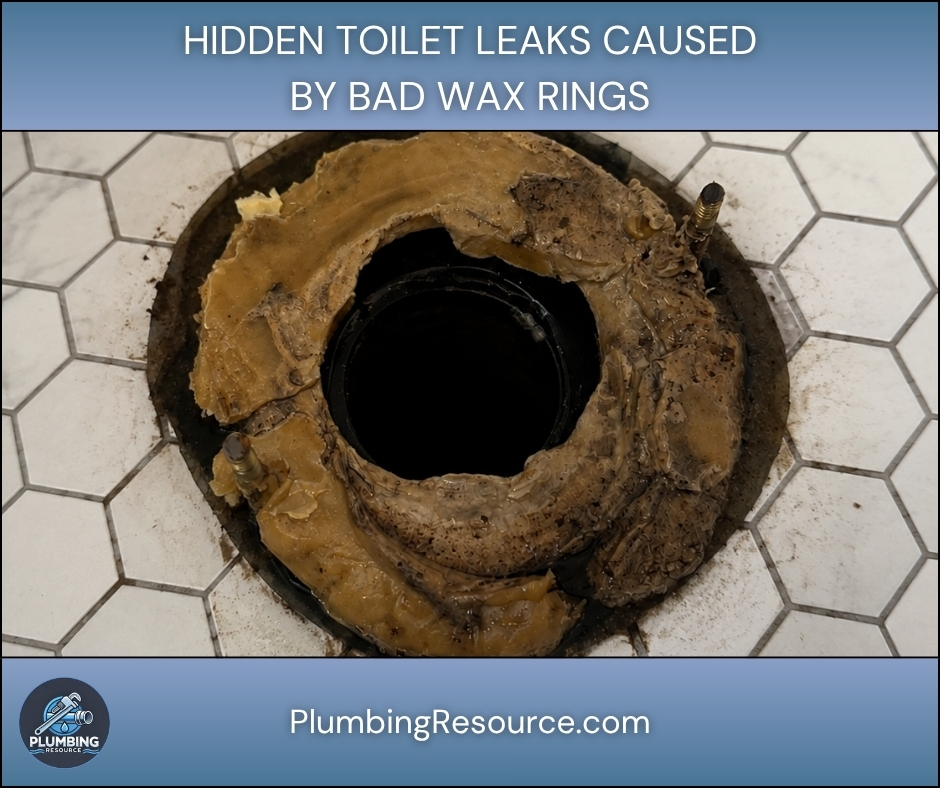
A few weeks later, the bathroom develops a strange odor. Then, the flooring near the fixture starts feeling soft. Eventually, you discover hidden toilet leaks caused by bad wax rings have been slowly damaging the bathroom underneath the entire time.
Many homeowners never realize a failed toilet seal can quietly create major plumbing damage.
❌ Why Homeowners Make This Mistake
A toilet wax ring looks simple and inexpensive. Because of that, many homeowners assume it is not important.
Additionally, homeowners often believe they can reuse an old wax ring after removing the toilet. Others think tightening the toilet bolts harder will stop a leak.
Unfortunately, these assumptions usually create bigger plumbing problems.
Many people also trust internet shortcuts that recommend adding extra caulk around the toilet base instead of replacing the failed seal. However, that only hides the symptoms temporarily.
🔍 What Happens Inside the Plumbing System
Hidden toilet leaks caused by bad wax rings usually begin when the seal between the toilet outlet and flange becomes uneven or damaged.
As the toilet shifts during normal use, wastewater slowly escapes beneath the fixture. In some cases, sewer gases also leak through the damaged seal.
Because the leak happens underneath the toilet, homeowners often cannot see the damage immediately.
Over time, moisture saturates the flooring and subfloor around the drain line. Consequently, wood begins weakening and rotting beneath the fixture.
Additionally, trapped moisture creates ideal conditions for mold and mildew growth. If ignored long enough, the toilet flange may also corrode or crack.
⚠️ Early Warning Signs Most People Miss
Many wax ring failures start slowly. Therefore, homeowners commonly overlook the warning signs.
Watch for these symptoms:
- Water around the toilet base
- A loose or rocking toilet
- Sewer odors near the fixture
- Soft flooring around the bathroom
- Stains near the toilet
- Moisture after flushing
- Discolored grout or flooring
- Moldy smells inside the bathroom
Sometimes the water evaporates before homeowners notice standing moisture. However, hidden damage may still be spreading underneath the floor.
🛠️ Short-Term Plumbing Problems
At first, hidden toilet leaks caused by bad wax rings may only create small plumbing issues.
Common short-term problems include:
- Minor water leaks
- Sewer gas odors
- Toilet movement
- Bathroom floor staining
- Moisture around the fixture
- Increased bacteria exposure
Additionally, repeated leakage can weaken nearby flooring materials surprisingly fast.
💸 Long-Term Damage This Can Cause
Ignoring a failed toilet wax ring can become extremely expensive over time.
Long-term plumbing damage may include:
- Rotten subflooring
- Mold growth
- Structural floor damage
- Cracked toilet flanges
- Damaged bathroom flooring
- Sewer gas exposure
- Ceiling damage below upstairs bathrooms
- Extensive bathroom reconstruction
In severe situations, wastewater can spread into surrounding framing and wall materials.
Additionally, hidden moisture inside enclosed spaces often leads to unhealthy mold growth and persistent odors.
🚫 Common Myths and Bad Advice
“You Can Reuse a Toilet Wax Ring”
Once compressed, a wax ring should never be reused. Therefore, every toilet reset requires a new seal.
“Caulking the Base Stops the Leak”
Caulk does not repair a failed wax ring. In fact, it can trap leaking wastewater beneath the fixture.
“A Small Leak Is Not Serious”
Even small leaks can destroy subflooring over time because moisture stays trapped beneath the toilet.
“The Toilet Bolts Create the Seal”
The wax ring creates the actual waterproof and gas-tight seal, not the bolts.
✅ The Correct Way to Handle the Situation
The correct solution is replacing the failed wax ring immediately and inspecting the toilet flange carefully.
Proper toilet installation includes:
- Removing the toilet completely
- Scraping away all old wax
- Inspecting the flange for cracks or corrosion
- Using the correct replacement wax ring
- Resetting the toilet evenly
- Tightening bolts carefully
- Testing for movement and leaks
Additionally, the toilet should sit level without rocking after installation.
If the flange height is incorrect, plumbers may also install flange extenders or repair kits.
👨🏻🔧 DIY vs When to Call a Licensed Plumber
Some homeowners can replace a wax ring successfully. However, certain plumbing conditions require professional repairs.
DIY Situations
You may handle the repair if:
- The toilet flange is intact
- The flooring feels solid
- No major water damage exists
- The toilet removes easily
- No sewer line problems are present
When to Call a Licensed Plumber
Professional help is recommended when:
- The toilet flange is broken
- The subfloor feels soft
- Sewer odors continue
- Mold growth is present
- The toilet rocks repeatedly
- Water damage has spread
- Structural flooring damage exists
Additionally, licensed plumbers can inspect hidden drain line or flange problems homeowners may not notice.
🧰 Prevention Tips That Actually Work
Preventing hidden toilet leaks caused by bad wax rings starts with proper installation and maintenance.
Follow these practical tips:
- Never reuse an old wax ring
- Replace loose toilet bolts quickly
- Fix rocking toilets immediately
- Inspect bathroom flooring regularly
- Watch for sewer odors
- Replace damaged caulking when needed
- Use the correct wax ring height
- Avoid overtightening toilet bolts
Additionally, periodic bathroom inspections can help catch hidden plumbing leaks early.
❓ FAQ
How do I know if my toilet wax ring is leaking?
Common signs include water around the base, sewer odors, soft flooring, and moisture after flushing.
Can a bad wax ring cause sewer smells?
Yes. A damaged wax ring can allow sewer gases to escape beneath the toilet fixture.
Should you reuse a toilet wax ring?
No. Once compressed, the wax no longer creates a reliable seal.
Can hidden toilet leaks damage the floor?
Yes. Hidden leaks can rot the subfloor, damage flooring materials, and lead to mold growth.
How long does a toilet wax ring last?
A properly installed wax ring can last many years. However, toilet movement or flange issues can shorten its lifespan.
✅ Conclusion
Hidden toilet leaks caused by bad wax rings often begin with small warning signs homeowners ignore. However, those hidden leaks can quietly damage flooring, weaken structural materials, and create expensive plumbing repairs over time.
Fortunately, proper toilet installation and early leak detection can prevent most of these problems.
A simple wax ring may seem minor, but it plays a critical role in protecting your plumbing system, bathroom flooring, and home from hidden wastewater damage.
👋🏼 Before You Go…
If you found this helpful, save this page for later and share it with someone who may be dealing with hidden bathroom leaks or toilet problems.